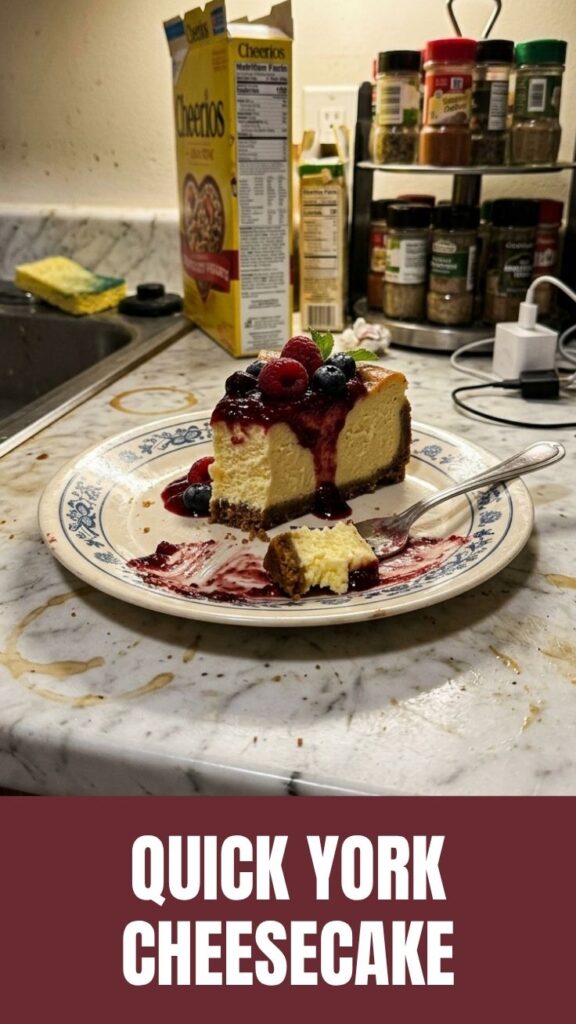
The Ultimate Guide to Perfect New York Cheesecake vs Philadelphia Cheesecake
Have you ever wondered why some cheesecakes taste like clouds while others feel like bricks? The secret lies in understanding the subtle differences between two iconic styles. Preparing a homemade cheesecake isn’t just about following a recipe—it’s about mastering texture, temperature, and technique. Whether you’re craving the dense, creamy richness of a New York Cheesecake or the lighter, airier profile of a Philadelphia Cheesecake, this guide will walk you through every detail. By making it at home, you control the quality of ingredients, avoid preservatives, and create a dessert that rivals any bakery. Let’s dive into the science and art of cheesecake perfection.
Ingredients & Kitchen Tools
For the Crust
– 1½ cups graham cracker crumbs (or digestive biscuits for a buttery base)
– ¼ cup granulated sugar (balances bitterness)
– ½ cup unsalted butter, melted (binds crumbs; use coconut oil for dairy-free)
For the Filling
– 32 oz (4 blocks) cream cheese, softened (full-fat for richness; Neufchâtel for lower fat)
– 1 cup granulated sugar (adds sweetness and structure)
– 1 tsp vanilla extract (pure, not imitation)
– 4 large eggs, room temperature (prevents cracking)
– ½ cup sour cream (adds tanginess; Greek yogurt works)
– 2 tbsp all-purpose flour (stabilizes; cornstarch for gluten-free)
Kitchen Tools
– 9-inch springform pan (essential for easy release)
– Electric mixer (hand or stand)
– Rubber spatula
– Large mixing bowls
– Parchment paper
– Water bath pan (roasting pan works)
Optional Substitutions
– Gluten-free crust: Use almond flour + butter
– Dairy-free filling: Vegan cream cheese + coconut cream
– Lower sugar: Monk fruit sweetener (1:1 ratio)
Prep Time & Cooking Schedule
| Stage | Time | Notes |
|——-|——|——-|
| Prep time | 20 minutes | Soften cream cheese, crush crackers |
| Bake time | 55–65 minutes | Low temperature (325°F) |
| Cooling time | 1 hour | In oven with door cracked |
| Chilling time | 4+ hours (overnight best) | Refrigerator, covered |
Planning tip: Start the day before serving. The overnight rest allows flavors to meld and texture to set perfectly.
Step-by-Step Instructions
1. Prepare the Crust
Preheat oven to 325°F. Mix graham cracker crumbs, sugar, and melted butter until resembles wet sand. Press firmly into the bottom of a parchment-lined springform pan. Bake for 10 minutes, then cool completely.
2. Make the Filling
Beat softened cream cheese until smooth (no lumps). Gradually add sugar, beating until fluffy. Mix in vanilla. Add eggs one at a time on low speed—overmixing incorporates air, causing cracks. Fold in sour cream and flour until just combined.
3. Water Bath Technique
Wrap the springform pan tightly in heavy-duty foil (triple layer). Place in a roasting pan and pour hot water halfway up the sides. This gentle heat ensures even cooking and prevents cracking.
4. Bake & Cool
Pour filling over crust. Bake 55–65 minutes until edges are set but center jiggles like Jell-O. Turn off oven, crack door, and let cool inside for 1 hour. This gradual cooling prevents sinking.
Pro tip: For a New York Cheesecake, use extra cream cheese and less sour cream for denser texture. For a Philadelphia Cheesecake, increase sour cream and add 2 tbsp lemon juice for tangier, lighter results.
Nutritional Benefits & Advantages
Cheesecake offers surprising nutritional value when made from scratch:
– Calcium: Cream cheese provides 8% DV per slice
– Protein: 6–8g per serving (eggs + dairy)
– Vitamin A: Supports eye health
– Probiotics: Sour cream contains live cultures (if unpasteurized)
Healthier twist: Use reduced-fat cream cheese and Greek yogurt to cut calories by 30% while maintaining creaminess.
Tips Variations & Cooking Advice
Flavor Variations
– Chocolate swirl: Melt 4 oz dark chocolate and fold into half the batter
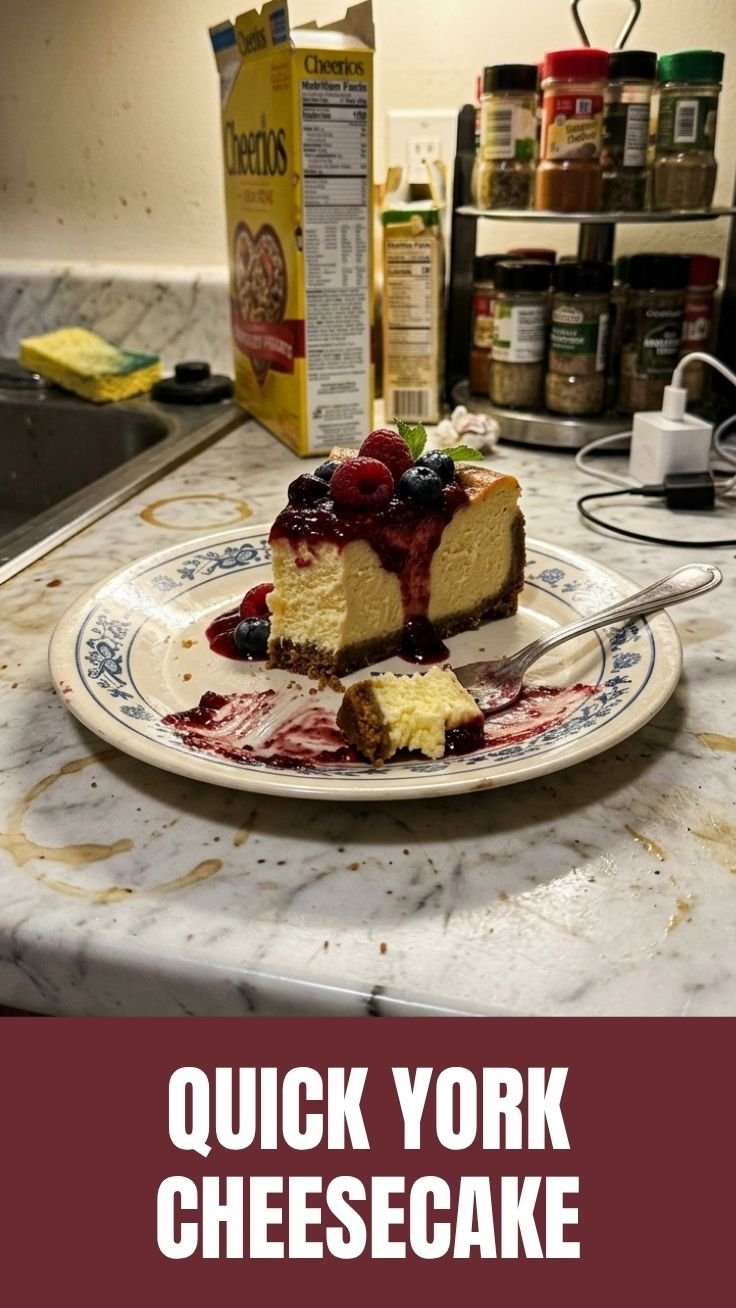
– Berry topping: Simmer 2 cups mixed berries with ¼ cup sugar until syrupy
– Citrus zest: Add 1 tbsp lemon or orange zest to filling
Dietary Adaptations
– Gluten-free: Use almond flour crust + cornstarch in filling
– Dairy-free: Miyoko’s vegan cream cheese + coconut cream
– Keto: Almond flour crust + erythritol sweetener
Cooking Methods
– Instant Pot: Pour batter into 7-inch pan, cook on high pressure 35 minutes, natural release
– No-bake: Use gelatin (1 tbsp bloomed in 3 tbsp water) for set without oven
Common Mistakes to Avoid
| Mistake | Solution |
|———|———-|
| Cracked top | Use water bath, don’t overmix, cool gradually |
| Soggy crust | Pre-bake crust, brush with egg white before filling |
| Dense texture | Use room-temperature ingredients, don’t overbake |
| Burnt edges | Lower oven rack, tent with foil after 30 minutes |
| Sticking to pan | Line bottom with parchment, grease sides well |
Storage & Meal Prep Tips
Refrigeration
– Store in airtight container up to 5 days
– Place paper towel under lid to absorb moisture (change daily)
Freezing
– Wrap whole cheesecake (or slices) in plastic wrap + foil
– Freeze up to 3 months
– Thaw overnight in refrigerator
Reheating
– Microwave individual slices 15 seconds for soft texture
– For warm topping, bake at 300°F for 10 minutes
Meal prep: Bake on Sunday, slice, and freeze individual portions for quick desserts all week.
Conclusion
Mastering cheesecake is about understanding the balance between richness and lightness. Whether you prefer the dense decadence of a New York Cheesecake or the airy tang of a Philadelphia Cheesecake, this guide gives you the tools to succeed. Remember: patience is your best ingredient—allow proper cooling and chilling for that perfect slice. Try this recipe this weekend, share your results with #HomemadeCheesecake, and explore our other dessert guides for more inspiration. Your kitchen is about to become everyone’s favorite bakery.
FAQs
1. Can I use low-fat cream cheese?
Yes, but the texture will be less creamy. Add 1 extra egg yolk to compensate for lost richness.
2. Why did my cheesecake crack?
Usually from overmixing (too much air) or rapid temperature changes. Always use a water bath and cool slowly.
3. How do I know when it’s done?
The center should jiggle like Jell-O when shaken. Internal temperature should reach 150°F.
4. Can I make this without a springform pan?
Use a deep pie dish lined with parchment. Bake 5–10 minutes less and check doneness early.
5. My cheesecake tastes too eggy—how to fix?
Reduce eggs to 3 and add ¼ cup heavy cream. Also, use pure vanilla extract to mask egg flavor.
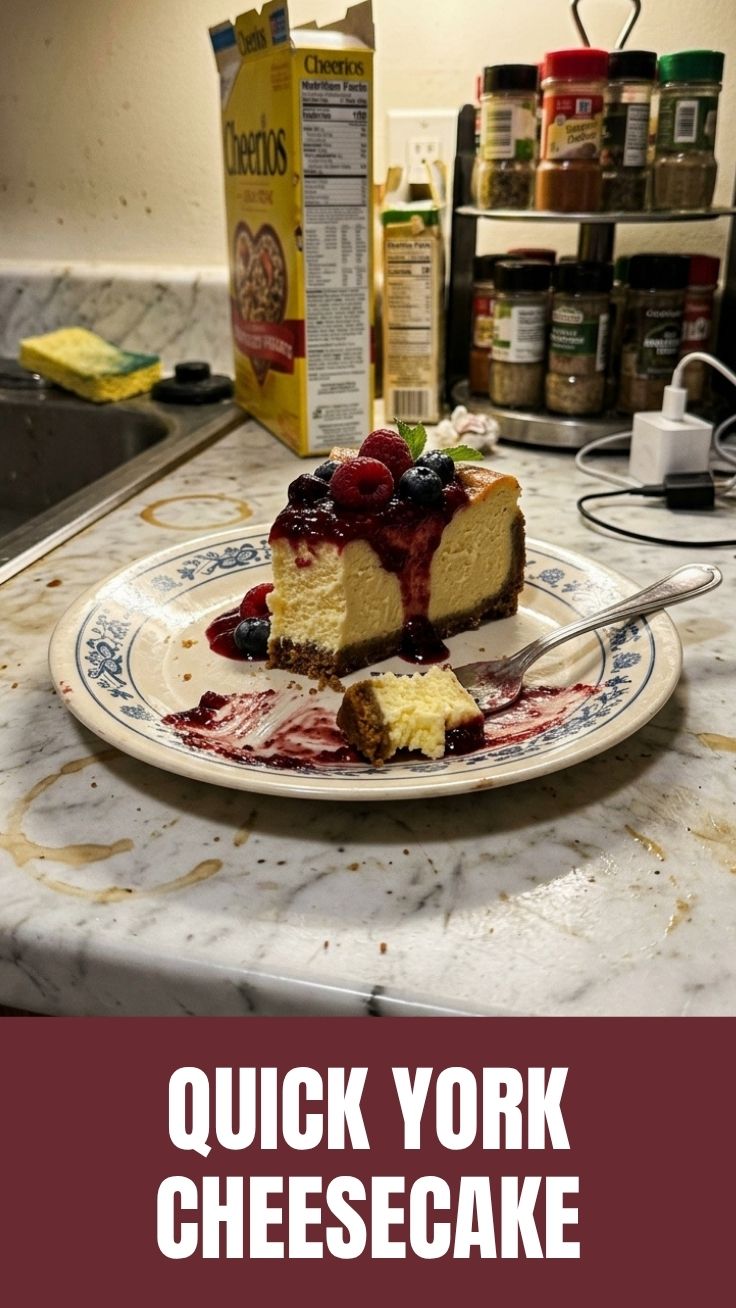
Proven Way to Grow 7-Layer New York Cheesecake
Ingredients
Equipment
Method
- Combine graham cracker crumbs, sugar, and melted butter; then press the mixture into a 9-inch springform pan and bake for 10 minutes at 350°F (175°C) before cooling.
- Beat softened cream cheese with sugar until smooth, then gradually add eggs, sour cream, vanilla extract, and lemon zest; afterward, pour this filling over the cooled crust.
- Bake the cheesecake in a water bath at 325°F (160°C) for 60-75 minutes until edges are set, then cool in the oven with the door open for an hour before cooling completely on a rack and refrigerating for at least 4 hours.
- Cook raspberries, sugar, and lemon juice in a saucepan until soft; then strain to remove seeds and cool completely.
- Heat heavy cream to a simmer, pour over chocolate chips, let sit for 5 minutes, then whisk until smooth and cool slightly.
- Melt and cool white chocolate; then whip cold heavy cream with powdered sugar until soft peaks form and gently fold in the cooled white chocolate.
- Spread raspberry swirl, then drizzle chocolate ganache and caramel sauce over the chilled cheesecake.
- Gently spread white chocolate mousse over the caramel, then arrange fresh mixed berries on top.
- Whip cold heavy cream with powdered sugar and vanilla extract until stiff peaks form, and pipe or spread as a topping.


