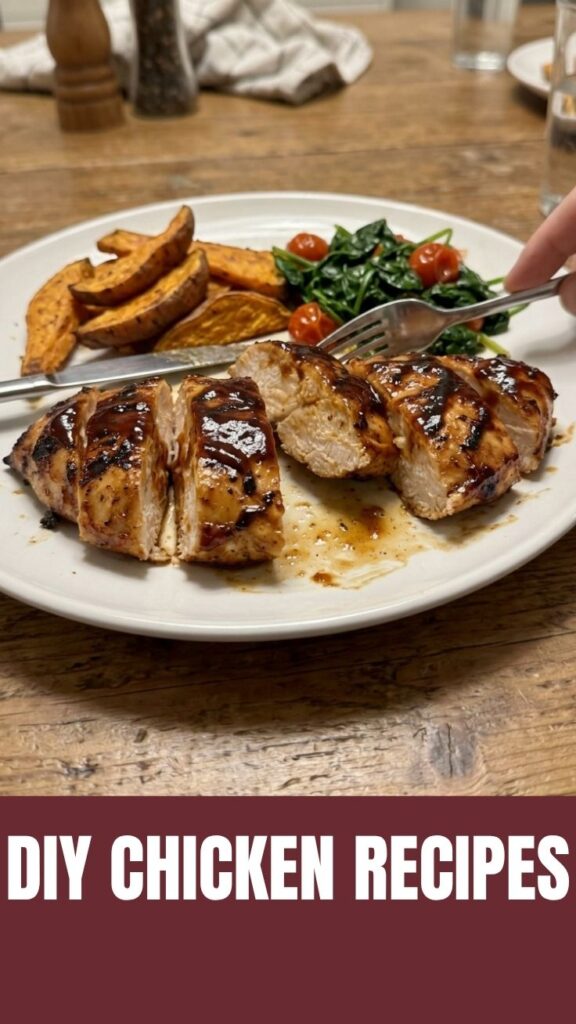
High-Protein Grilled Chicken Recipes: Juicy, Flavorful, and Perfect for Meal Prep
Are you tired of dry, bland chicken breasts that fail to satisfy your hunger or support your fitness goals? The secret to tender, mouthwatering poultry lies in mastering the art of marinades and proper grilling technique. When you prepare high protein grilled chicken recipes at home, you control every ingredient—cutting out excess sodium, sugar, and preservatives while maximizing flavor. Pairing this with bold grilled chicken marinades not only locks in moisture but also boosts the nutritional profile without adding unhealthy fats. Let’s dive into a foolproof approach that delivers restaurant-quality results every time.
Ingredients & Kitchen Tools
For the chicken (serves 4):
– 4 boneless, skinless chicken breasts (6–8 oz each) – look for even thickness; pound to ½ inch for uniform cooking
– 2 tbsp olive oil – heart-healthy fat that helps marinade penetrate
– 3 cloves garlic, minced – adds depth without overpowering
– 2 tbsp fresh lime juice – acidic tenderizer; substitute lemon
– 1 tsp smoked paprika – smoky flavor; use regular paprika if unavailable
– 1 tsp cumin – earthy warmth; can swap with chili powder
– ½ tsp black pepper & 1 tsp sea salt – adjust to taste
– Fresh cilantro (optional) – for garnish
Kitchen tools:
– Grill (gas, charcoal, or grill pan)
– Meat mallet or rolling pin
– Mixing bowl
– Tongs
– Instant-read thermometer
– Basting brush
– Cutting board
Optional substitutions: Swap breasts for thighs (more fat, more flavor) or use skinless chicken tenders (reduce cook time by 3–4 minutes). For a dairy-free marinade, skip yogurt-based versions—our recipe is already dairy-free.
Prep Time & Cooking Schedule

– Marinating time: 30 minutes (minimum) to 8 hours (overnight yields best flavor)
– Prep time: 10 minutes
– Grill time: 6–8 minutes per side (depending on thickness)
– Resting time: 5 minutes (critical for juiciness)
Plan ahead: Start marinating before lunch to grill for dinner, or marinate in the morning for a quick evening meal.
Step-by-Step Instructions
1. Prepare the chicken: Place breasts between two sheets of plastic wrap and pound to ½-inch thickness. This ensures even cooking and prevents overcooking the thin ends.
2. Make the marinade: In a bowl, whisk olive oil, garlic, lime juice, paprika, cumin, salt, and pepper. Reserve 2 tablespoons for basting later.
3. Marinate: Place chicken in a zip-top bag, pour in the marinade, seal, and massage gently. Refrigerate for at least 30 minutes (up to 8 hours). For the best grilled chicken marinades, acidity from lime helps break down fibers without making it mushy.
4. Preheat grill: Heat to medium-high (400–450°F). Clean and oil grates to prevent sticking.
5. Grill: Pat chicken dry (excess moisture causes steam, not sear). Place on grill, cook 6–8 minutes per side, flipping once. Baste with reserved marinade during last 2 minutes. Use an instant-read thermometer: internal temp should reach 160°F (carryover cooking will bring it to 165°F).
6. Rest: Transfer to a cutting board, tent loosely with foil, and rest 5 minutes before slicing. Slice against the grain for tenderness.
Pro tip: If you’re following high protein grilled chicken recipes for meal prep, grill a double batch—the leftovers are fantastic on salads or wraps.
Nutritional Benefits & Advantages
A single serving (6 oz grilled breast) provides roughly 42–46g protein with only 250–280 calories and 4–5g fat. This makes it an ideal choice for muscle repair, weight management, and satiety. The marinade adds antioxidants from garlic, vitamin C from lime, and anti-inflammatory properties from cumin and paprika. Unlike fried or breaded alternatives, grilling preserves nutrients without adding carbs or trans fats.
Tips, Variations & Cooking Advice
– Flavor swaps: Replace lime with orange juice and add chipotle for a smoky-sweet twist. Use Greek yogurt as a base (sub for oil) for extra creaminess.
– Dietary adaptations: Gluten-free (all ingredients naturally GF). For low-sodium, reduce salt and use herb-heavy dry rubs.
– Cooking methods: If no grill, use a cast-iron skillet or oven broil (5–6 minutes per side at 450°F). For grilled chicken kabobs, cube the meat (1.5-inch pieces) and thread onto skewers with vegetables.
– Portion changes: Halve the recipe for 2 servings or freeze half the raw marinated chicken for up to 3 months.
Common Mistakes to Avoid
– Overcooking: The #1 culprit of dry chicken. Use a thermometer, not the clock. Remember 160°F off the grill is perfect.
– Skipping the rest: Cutting immediately forces juices to run out. Resting redistributes moisture.
– Using too much acidic marinade: Acid can toughen meat if left too long (over 8 hours). Keep limit to 4–6 hours.
– Flipping too often: Let the chicken sear undisturbed for at least 4 minutes per side to develop grill marks and caramelization.
– Grilling cold chicken: Always bring to room temperature (15–20 minutes out of fridge) for even cooking.
Storage & Meal Prep Tips
– Refrigeration: Store cooked chicken in airtight container for up to 4 days. Keep slices whole to retain moisture.
– Freezing: Wrap individually in plastic wrap then foil; freeze for up to 3 months. Thaw overnight in fridge.
– Reheating: For best texture, reheat in a covered skillet over low heat with a splash of chicken broth or in the microwave at 50% power. Avoid high heat—it dries out the meat quickly.
Conclusion
Learning to make high protein grilled chicken recipes at home transforms your weeknight dinners and meal prep. With the right grilled chicken marinades, you unlock endless flavor possibilities—from zesty citrus to spicy smoky profiles—all while keeping every bite succulent and nutritious. The methods shared here eliminate guesswork, so you can consistently produce tender, juicy chicken that rivals any restaurant’s. Try this recipe tonight, then experiment with your own marinade combos. Share your results in the comments or tag us in your photos—we love seeing your creations!
FAQs
Q: Can I use frozen chicken breasts?
A: Yes, but thaw completely in the fridge first. Never marinate frozen meat—acid won’t penetrate evenly.
Q: How do I know the chicken is done without a thermometer?
A: Pierce the thickest part; juices should run clear, and the meat should feel firm but not hard. However, a thermometer is far more reliable.
Q: What if I don’t have lime juice?
A: Substitute with lemon juice, white vinegar (use half amount), or even pineapple juice (adds sweetness).
Q: Can I reuse leftover marinade as a sauce?
A: Only if you boil it for at least 1 minute to kill bacteria. Better to set aside a portion before raw chicken touches it.
Q: How do I prevent the chicken from sticking to the grill?
A: Oil the grates well, and ensure they are hot before placing the meat. Also, pat the chicken dry—wet surface leads to sticking.
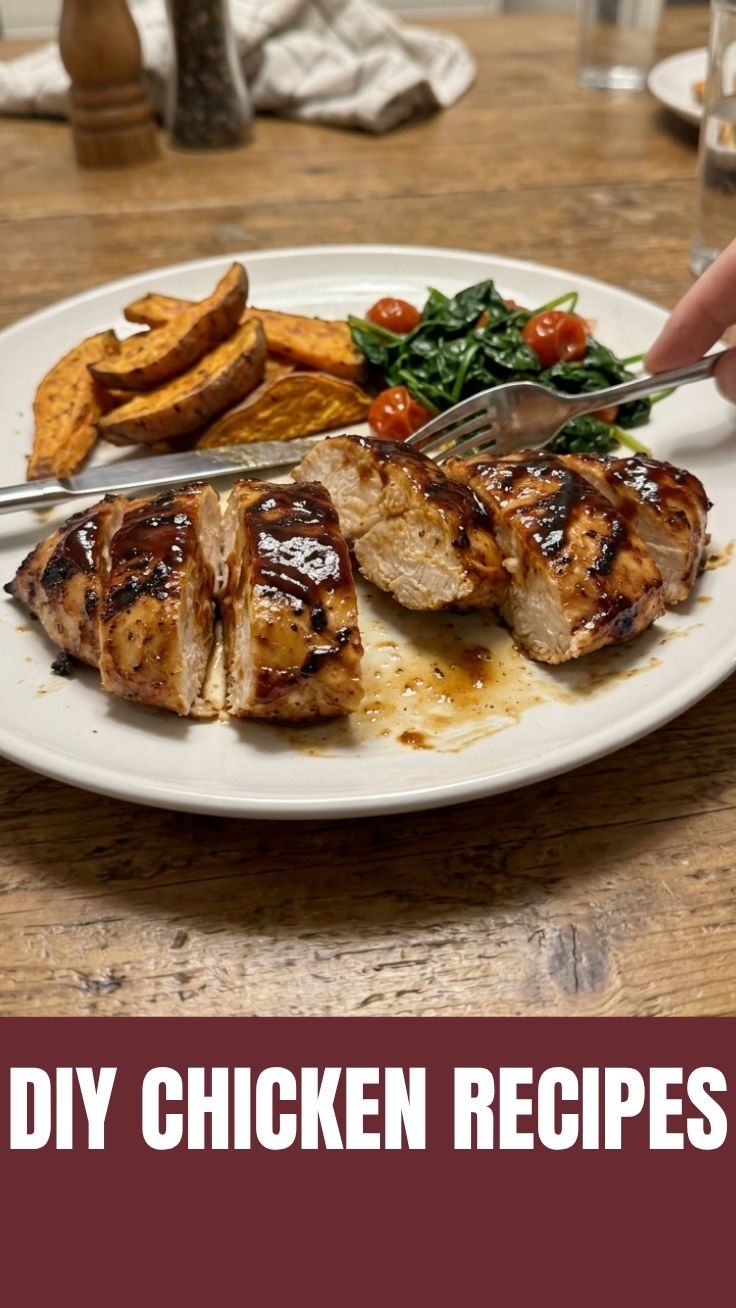
Proven way to grow 7 high protein grilled chicken recipes
Ingredients
Equipment
Method
- Pat the chicken dry with paper towels to ensure a good sear and even cooking.
- Season generously with your desired herbs, spices, salt, and pepper, ensuring all surfaces are covered for maximum flavor.
- Brush the chicken lightly with olive oil to prevent sticking and promote browning.
- Preheat your grill to medium-high heat (375-450°F or 190-230°C) and clean the grates thoroughly.
- Sear the chicken directly over the heat for 2-3 minutes per side until grill marks appear.
- Move the chicken to indirect heat, close the lid, and cook for 8-12 minutes, or until the internal temperature reaches 165°F (74°C).
- Let the chicken rest for 5-10 minutes before slicing or serving to allow the juices to redistribute.


