
How to Make Perfect Homemade Milk Brioche Bread
Introduction
Have you ever wondered how to achieve that perfect, cloud-like texture in homemade bread that melts in your mouth with each bite? MILK BRIOCHE is the answer to your bakery dreams. This rich, buttery French bread has a delicate crumb and golden crust that rivals any bakery version. Making brioche recipe at home allows you to control the quality of ingredients while filling your home with an irresistible aroma. The satisfaction of pulling a perfectly baked loaf from your oven is unmatched, and mastering this classic enriched dough opens doors to countless sweet and savory creations.
Ingredients & Kitchen Tools
For the dough:
– 4 cups (500g) all-purpose flour – sifted for better incorporation
– ⅓ cup (67g) granulated sugar – provides the signature slight sweetness
– 2¼ teaspoons (7g) active dry yeast – can substitute with instant yeast
– 1 teaspoon salt – fine sea salt works best
– ½ cup (120ml) whole milk, warmed – temperature between 105-110°F
– 4 large eggs, room temperature – for proper emulsification
– 1 cup (226g) unsalted butter, softened – cut into tablespoon-sized pieces
– 1 egg beaten with 1 tablespoon water – for egg wash
Kitchen tools:
– Stand mixer with dough hook attachment – essential for proper development
– Large mixing bowl
– Loaf pan or brioche molds
– Pastry brush
– Kitchen thermometer
– Plastic wrap
– Clean kitchen towels
Prep Time & Cooking Schedule

– Preparation time: 30 minutes
– First rise: 1-2 hours
– Shaping: 15 minutes
– Second rise: 1 hour
– Baking time: 30-35 minutes
– Cooling time: 1 hour minimum
This recipe requires planning ahead, as the dough needs adequate time to rise and develop flavor. For best results, start in the morning if you want fresh brioche by dinner, or prepare the dough the evening before and let it rise slowly in the refrigerator overnight.
Step-by-Step Instructions
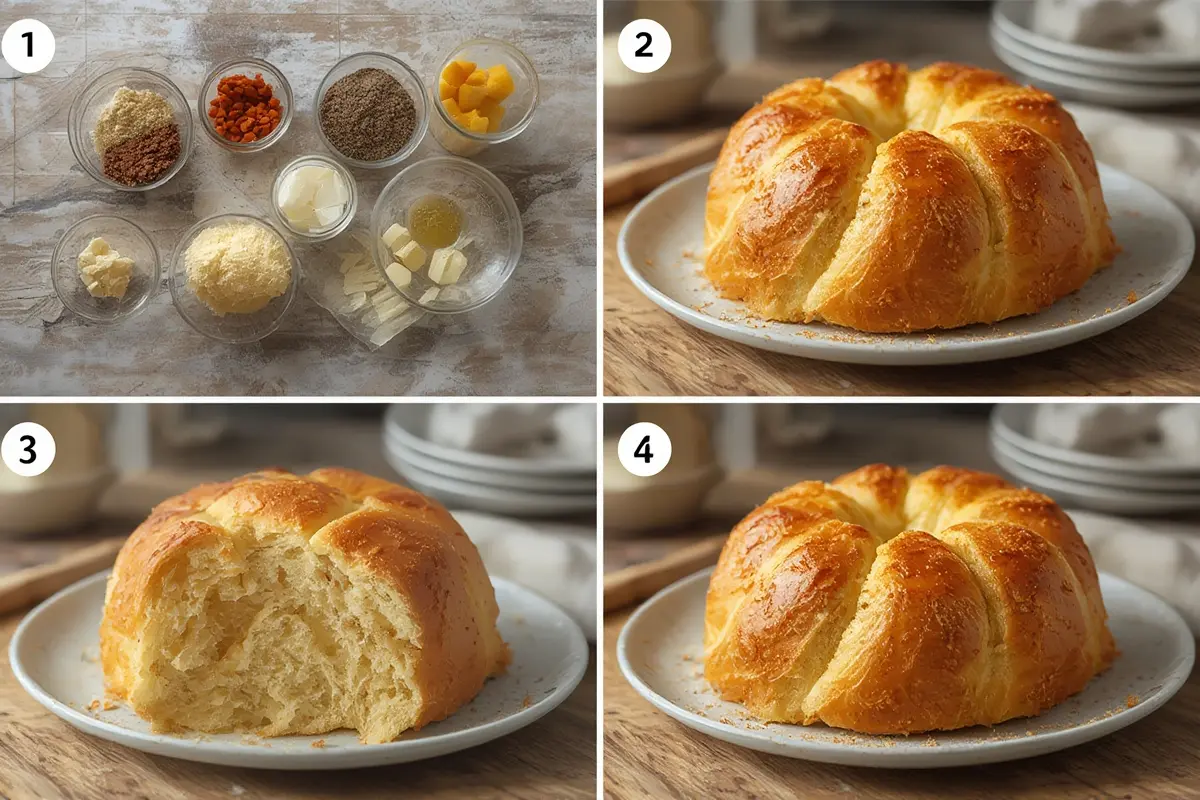
1. Activate the yeast: Warm the milk to 105-110°F, add a pinch of sugar, and sprinkle the yeast over the top. Let it sit until foamy, about 5-10 minutes.
2. Mix dry ingredients: In the bowl of your stand mixer, combine flour, remaining sugar, and salt.
3. Form the dough base: With the mixer on low speed, add the activated yeast mixture and eggs. Mix until just combined.
4. Incorporate butter: Increase speed to medium and add butter one tablespoon at a time, waiting until each piece is fully incorporated before adding the next. This process takes patience but is crucial for proper MILK BRIOCHE texture.
5. Develop gluten: Continue mixing for 10-15 minutes until the dough is smooth, elastic, and pulls away from the sides of the bowl. The brioche recipe requires thorough kneading to develop structure.
6. First rise: Transfer to a lightly greased bowl, cover with plastic wrap, and let rise in a warm place until doubled in size.
7. Shape: On a lightly floured surface, divide the dough and shape according to preference (traditional brioche à tête, loaf, or rolls).
8. Second rise: Place in prepared pans, cover loosely, and allow to rise until puffy and doubled.
9. Bake: Brush with egg wash and bake at 350°F (175°C) until deeply golden, 30-35 minutes, or until internal temperature reaches 190°F (88°C).
Nutritional Benefits & Advantages
Brioche contains protein from eggs and milk, providing essential amino acids. The whole milk adds calcium for bone health, while eggs contribute vitamins A, D, E, and B-complex. Though higher in fat than standard bread, this enriched dough offers more sustained energy and satisfaction, potentially leading to more mindful portion consumption.
Tips, Variations & Cooking Advice
– Chocolate variation: Fold in 1 cup chocolate chips before the final shape
– Savory option: Reduce sugar to 1 tablespoon and add herbs like rosemary and thyme
– Dairy-free adaptation: Substitute almond milk and plant-based butter
– Mini brioches: Divide dough into smaller portions for dinner rolls
– Orange-scented: Add orange zest to the dough for a citrus note
Common Mistakes to Avoid
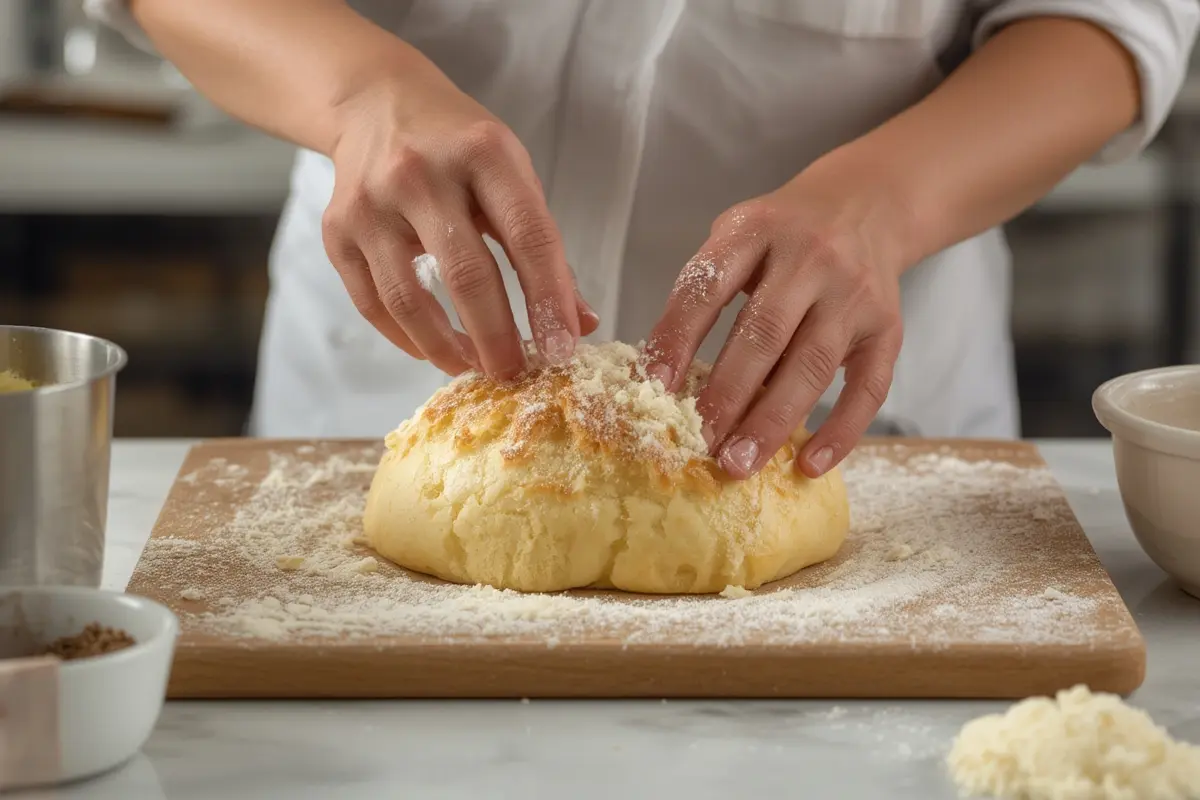
1. Adding butter too quickly: Incorporate slowly to achieve proper emulsion
2. Insufficient kneading: Brioche requires more kneading than regular bread
3. Rushing the rise: Patience yields better texture and flavor
4. Overbaking: Check early to prevent dry bread
5. Cutting while hot: Allow to cool completely before slicing to prevent collapse
Storage & Meal Prep Tips
Store cooled brioche in an airtight container at room temperature for up to 2 days. For longer storage, freeze well-wrapped slices or whole loaves for up to 1 month. Thaw at room temperature and warm in a 300°F oven for 5-10 minutes to restore texture. Brioche makes excellent French toast or bread pudding even when slightly stale.
Conclusion
Mastering this MILK BRIOCHE is a rewarding culinary achievement that will elevate your baking repertoire. The time and effort invested in this brioche recipe pays dividends in the form of versatile, delicious bread that can be enjoyed on its own or as the foundation for countless other dishes. Whether you’re making it for a special breakfast, dinner party, or weekend project, this French classic is sure to impress both family and guests with its beautiful appearance and incomparable taste.
FAQs
Can I make brioche without a stand mixer?
Yes, though it requires considerable effort. Mix with a wooden spoon until combined, then knead by hand for 15-20 minutes until smooth and elastic.
Why didn’t my brioche rise properly?
This could be due to inactive yeast, too cool a rising environment, or insufficient kneading. Ensure your yeast is fresh and your dough is placed in a warm (75-80°F) location.
Can I substitute bread flour for all-purpose flour?
Yes, bread flour will yield a chewier texture with more structure, while all-purpose creates a softer crumb.
Is brioche suitable for freezing?
Absolutely! Brioche freezes exceptionally well. Wrap tightly in plastic wrap and then foil before freezing for up to one month.
Why is my brioche dense instead of light?
Dense brioche typically results from under-proofing (not enough rise time), insufficient butter incorporation, or overworking the dough after the butter is added.