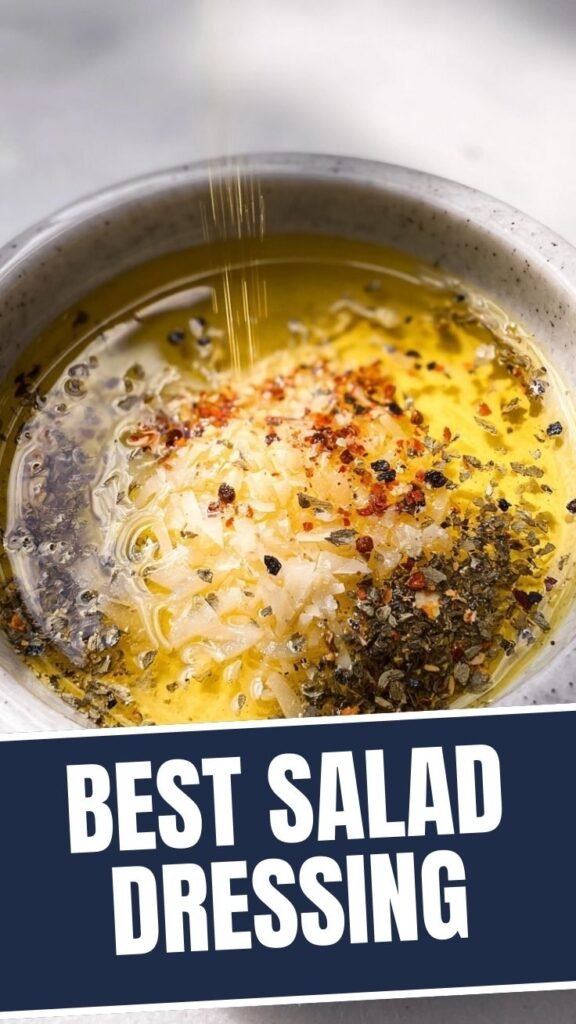
Homemade Parmesan Vinaigrette: A Creamy Delight for Your Salads
Have you ever tasted a restaurant-quality salad dressing and wished you could recreate that magic at home? Making your own Parmesan Vinaigrette is simpler than you might think and delivers flavor that store-bought options simply can’t match. This versatile dressing combines the tangy zest of vinegar with the rich umami of Parmesan cheese, creating a perfect balance that elevates any salad. Unlike basic Italian dressing, this homemade version offers a creamier texture and more complex flavor profile that will transform your everyday salads into gourmet experiences.
Ingredients & Kitchen Tools
For the dressing:
– ½ cup freshly grated Parmesan cheese (use Parmigiano-Reggiano for best flavor)
– ¼ cup white wine vinegar (or champagne vinegar for a milder taste)
– 1 tablespoon Dijon mustard (helps with emulsification)
– 1 garlic clove, minced (optional but recommended)
– ½ cup extra virgin olive oil (use high-quality for best results)
– 1 teaspoon honey or sugar (balances acidity)
– ½ teaspoon dried Italian herbs (optional)
– Salt and freshly ground black pepper to taste
Kitchen tools needed:
– Blender or food processor (for the smoothest texture)
– Measuring cups and spoons
– Garlic press (optional)
– Cheese grater
– Glass jar with tight-fitting lid (for storage)
– Whisk (if blending by hand)
Prep Time & Cooking Schedule
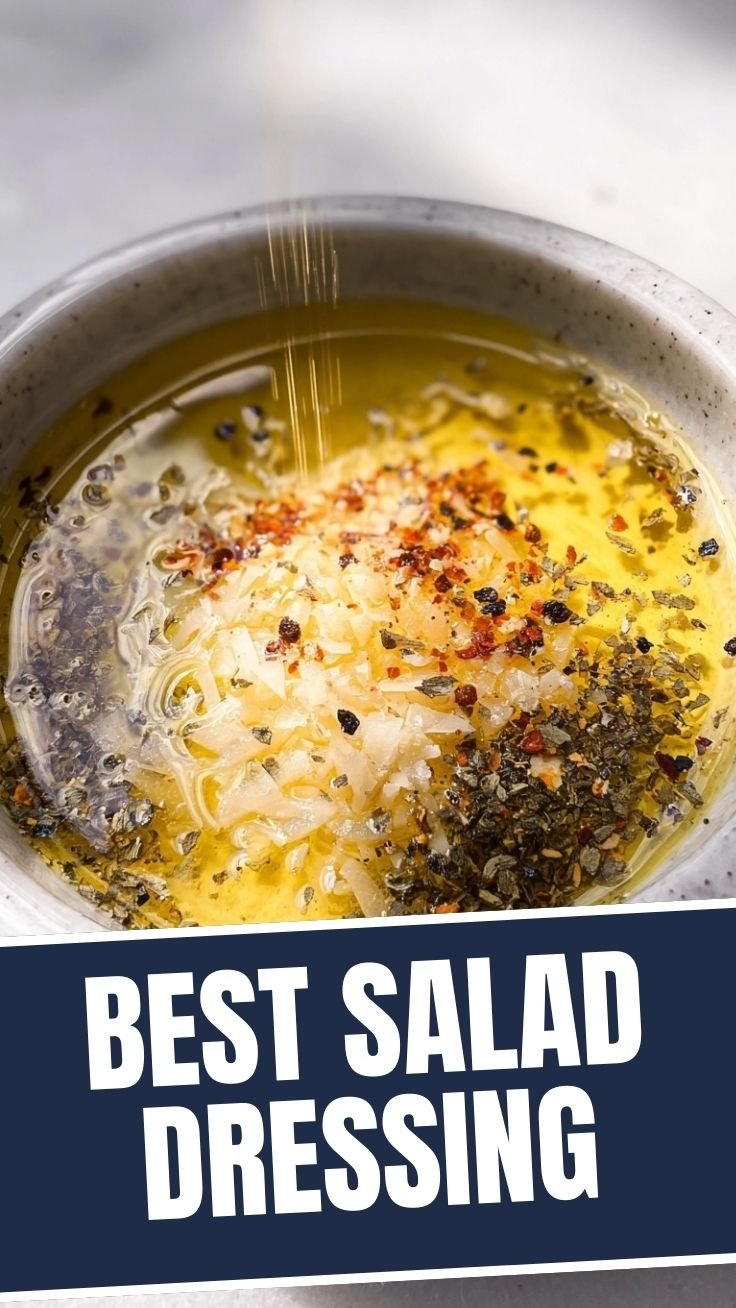
Total prep time: 10 minutes
No cooking required
Resting time: 30 minutes (recommended but optional)
This dressing comes together in minutes, making it perfect for busy weeknights. If possible, prepare it at least 30 minutes before serving to allow the flavors to meld. The dressing will keep for up to one week in the refrigerator, so consider making a double batch for multiple meals.
Step-by-Step Instructions
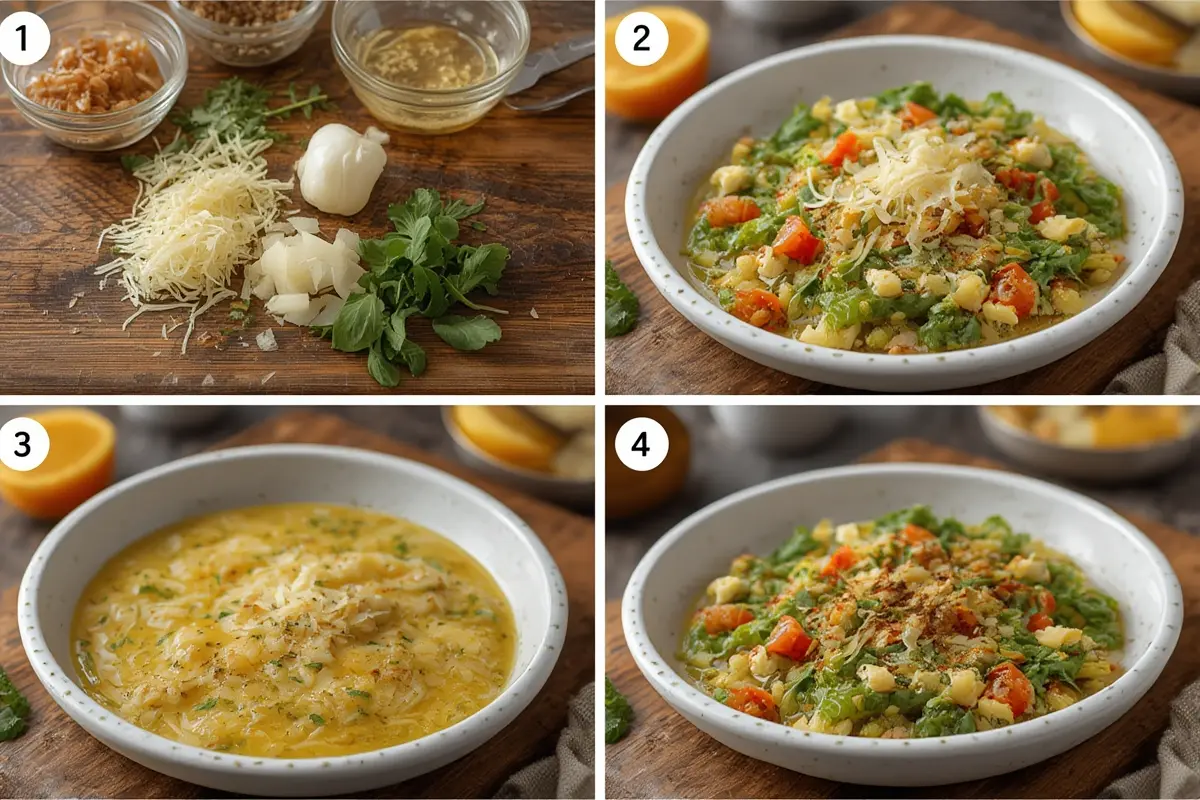
1. Grate the cheese: Start with freshly grated Parmesan for the best flavor and texture. Pre-grated cheese often contains anti-caking agents that can affect the consistency of your Parmesan Vinaigrette.
2. Combine base ingredients: In your blender or food processor, combine the Parmesan cheese, white wine vinegar, Dijon mustard, minced garlic, honey, and dried herbs.
3. Emulsify the dressing: Pulse a few times to combine, then with the blender running on low, slowly drizzle in the olive oil to create a proper emulsion, similar to traditional Italian dressing but with a creamier finish.
4. Season to taste: Add salt and freshly ground black pepper to taste, blending briefly to incorporate.
5. Adjust consistency: If the dressing is too thick, add 1-2 tablespoons of water or additional vinegar until you reach your desired consistency.
6. Rest: Transfer to a glass jar and let rest at room temperature for 30 minutes before serving to allow flavors to develop fully.
Nutritional Benefits & Advantages
This homemade dressing offers several nutritional advantages over store-bought alternatives:
– Heart-healthy monounsaturated fats from olive oil
– Calcium from Parmesan cheese
– No artificial preservatives, colors, or flavors
– Controlled sodium content
– Antioxidants from olive oil and herbs
– Probiotic benefits from aged cheese
One 2-tablespoon serving contains approximately 120 calories, making it a satisfying but reasonable addition to your salad.
Tips, Variations & Cooking Advice
– For a lighter version, substitute half the oil with water or low-sodium chicken broth
– Add a tablespoon of fresh lemon juice for extra brightness
– Incorporate fresh herbs like basil, oregano, or thyme during summer months
– For a dairy-free version, use nutritional yeast instead of Parmesan
– Add a pinch of red pepper flakes for a spicy variation
– Use a high-quality olive oil as it significantly impacts the final flavor
Common Mistakes to Avoid
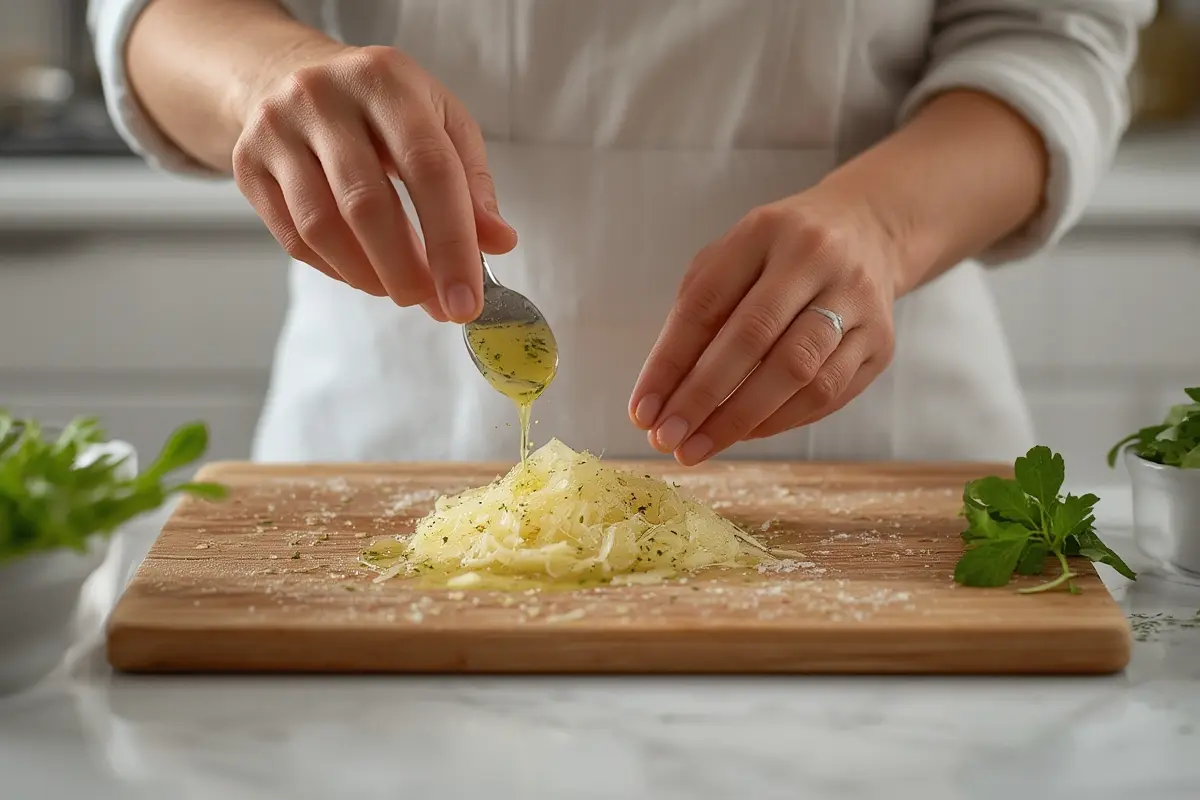
1. Adding oil too quickly: This breaks the emulsion. Add it in a slow, steady stream.
2. Using low-quality cheese: The Parmesan is the star ingredient; using pre-grated or low-quality cheese will result in grainy texture and subdued flavor.
3. Over-blending: This can make the dressing too thick or cause olive oil to become bitter.
4. Not tasting and adjusting: Always taste and adjust seasoning before serving.
5. Using reactive containers: Store in glass rather than metal to prevent any metallic taste.
Storage & Meal Prep Tips
Store your Parmesan Vinaigrette in a clean, airtight glass container in the refrigerator for up to one week. The dressing will naturally separate when stored—simply shake vigorously before using. If the dressing becomes too thick when refrigerated, allow it to sit at room temperature for 10 minutes and add a teaspoon of warm water if needed.
Conclusion
Creating your own Parmesan Vinaigrette at home empowers you to customize flavors while avoiding preservatives and excessive sodium found in commercial products. This versatile dressing works beautifully on simple green salads but is robust enough to complement hearty grain bowls, roasted vegetables, or even as a marinade for chicken. Unlike basic Italian dressing, this Parmesan-infused creation brings a rich creaminess that transforms ordinary meals into memorable dining experiences. Give this recipe a try, and you might never return to store-bought dressings again!
FAQs
Can I make this dressing without a blender?
Yes! Finely grate the Parmesan and whisk all ingredients vigorously by hand. The texture will be slightly less smooth but still delicious.
How can I make this dressing vegetarian?
Traditional Parmesan contains animal rennet. Look for vegetarian-friendly “Parmesan-style” cheese made with microbial rennet instead.
Can I use a different type of vinegar?
Absolutely. Red wine vinegar, apple cider vinegar, or balsamic vinegar all work well, though they’ll change the flavor profile slightly.
Why is my dressing too thick?
Your Parmesan might have been very dry. Add water, a teaspoon at a time, until you reach your desired consistency.
Can I freeze this dressing?
Freezing isn’t recommended as it may cause separation and texture changes when thawed.
Parmesan Vinaigrette
Ingredients
Equipment
Method
- In a medium bowl, combine the grated Parmesan cheese, red wine vinegar, Dijon mustard, and minced garlic.
- Gradually whisk in the olive oil until the vinaigrette is emulsified and smooth.
- Season the vinaigrette with salt and freshly ground black pepper to your taste; adjust as needed.


