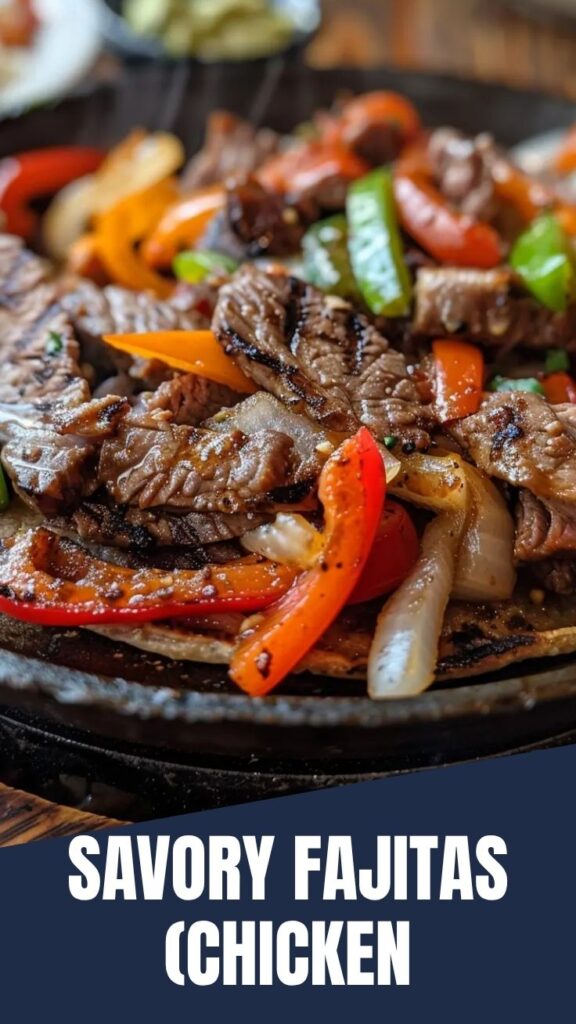
Sizzling Homemade Fajitas: Your Ultimate Guide to Restaurant-Quality Results
Have you ever craved that sizzling, aromatic plate of fajitas from your favorite Mexican restaurant but hesitated because takeout can be expensive and unpredictable? You’re not alone. Preparing Fajitas (Chicken or Beef) at home isn’t just a cost-effective alternative—it’s a gateway to fresher ingredients, personalized spice levels, and that irresistible caramelized char that only comes from a hot skillet. Whether you’re a weeknight warrior or a weekend cook, this guide will walk you through every step, from selecting the right cut of meat to perfecting your own fajita seasoning blend. By the end, you’ll have a foolproof recipe that rivals any restaurant dish, with tips to avoid common pitfalls and maximize flavor.
—
Ingredients & Kitchen Tools
Ingredients:
– Protein: 1 lb chicken breast (boneless, skinless) or flank steak (sliced against the grain)
– Vegetables: 2 bell peppers (mixed colors), 1 large onion (sliced thin), 2 cloves garlic (minced)
– Seasoning: 2 tbsp store-bought or homemade fajita seasoning (adjust for heat)
– Acid: 2 tbsp lime juice (fresh) + zest
– Oil: 2 tbsp vegetable or avocado oil (high smoke point)
– Optional: 1 jalapeño (seeded, sliced), 1 tsp smoked paprika, tortillas (flour or corn), sour cream, guacamole, salsa
Kitchen Tools:
– Cast iron skillet or heavy-bottomed pan (essential for searing)
– Sharp knife (for even slicing)
– Cutting board
– Tongs (for flipping)
– Small mixing bowl (for seasoning paste)
– Spatula
– Measuring spoons
—
Prep Time & Cooking Schedule
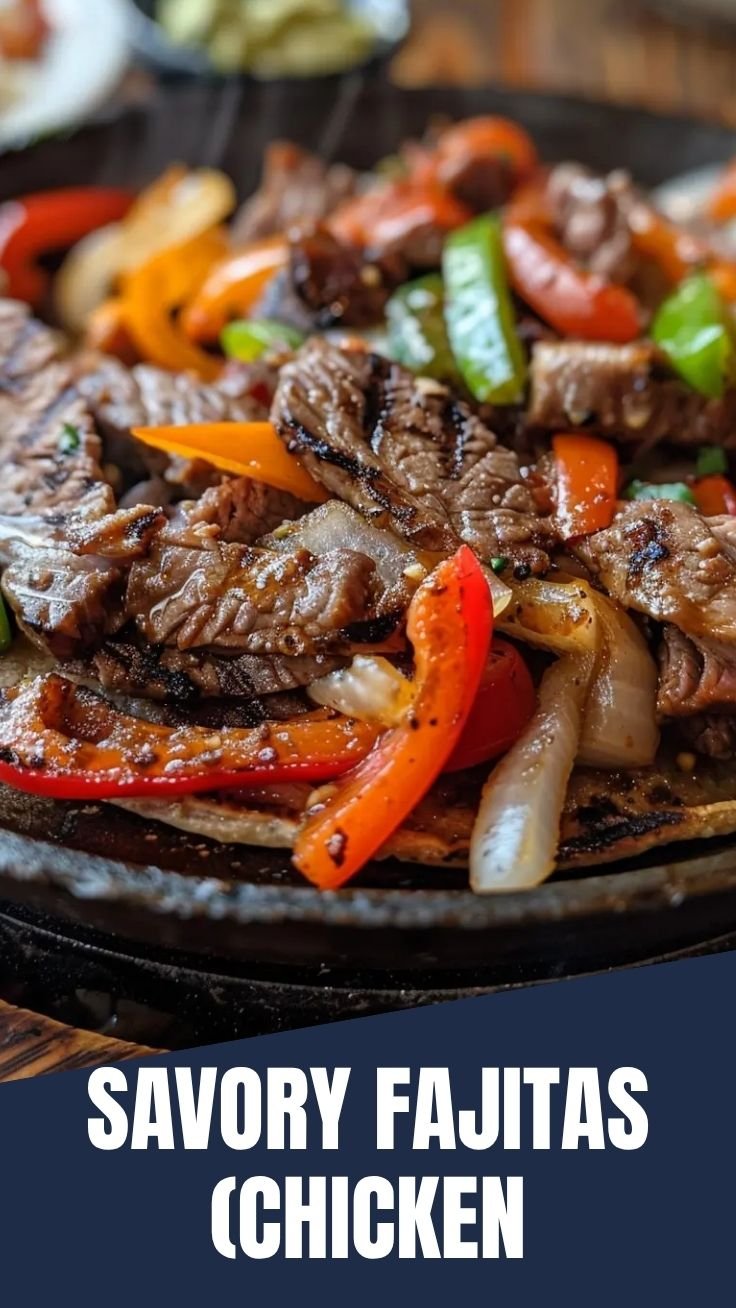
– Prep Time: 15 minutes (slice meat and veggies)
– Marinating Time: 30 minutes (optional but recommended)
– Cook Time: 10–12 minutes total
– Resting Time: 5 minutes (let meat rest before slicing)
Note: Marinating adds depth, but if you’re short on time, you can skip it. The key is to let the meat come to room temperature for 15 minutes before cooking for even searing.
—
Step-by-Step Instructions
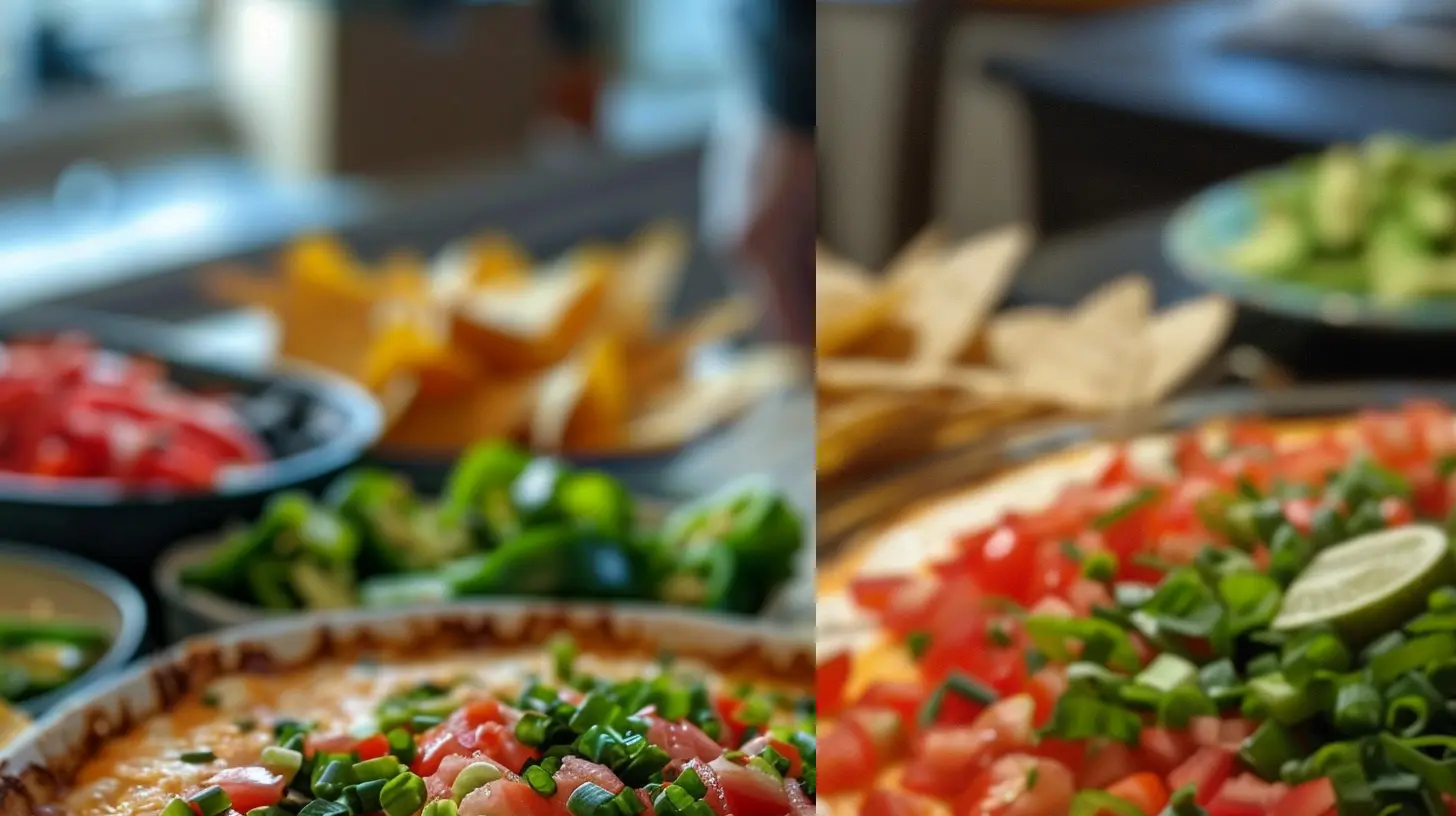
1. Prepare the Marinade: In a small bowl, mix 2 tbsp fajita seasoning, 2 tbsp lime juice, 2 tbsp oil, and minced garlic. Add a pinch of salt (if seasoning is salt-free). For beef, add 1 tsp smoked cumin.
2. Slice and Marinate: Slice chicken or beef into ½-inch strips (against the grain for beef). Toss with marinade. Let sit for 30 minutes (or up to 2 hours in the fridge). When making Fajitas (Chicken or Beef), avoid over-marinating (more than 4 hours) as acid can toughen the protein.
3. Preheat Skillet: Place a cast iron skillet over high heat for 3–4 minutes until smoking. Add 1 tbsp oil. The sizzle when meat hits the pan is your cue.
4. Sear the Protein: Cook meat in a single layer (work in batches if needed). Sear for 3–4 minutes per side until charred but still juicy. For chicken, internal temp should reach 165°F; beef, 135°F (medium-rare). Remove and rest.
5. Sauté Vegetables: In the same skillet, add 1 tbsp oil. Sauté bell peppers and onions for 4–5 minutes until tender-crisp with char marks. Add sliced jalapeño if desired.
6. Combine and Serve: Return meat to skillet, toss with veggies for 1 minute. Squeeze fresh lime juice over top. Serve immediately with warm tortillas and toppings.
Pro Tip: For extra smokiness, add ½ tsp chipotle powder to the marinade. For a vegetarian twist, replace meat with portobello mushrooms or cauliflower steaks.
—
Nutritional Benefits & Advantages
– High Protein: Chicken or beef provides 25–30g of protein per serving, supporting muscle repair.
– Low Carb (if skipping tortillas): Fajitas are naturally keto-friendly with only 8–10g carbs from veggies.
– Rich in Vitamin C: Bell peppers and lime juice boost immunity and collagen production.
– Healthy Fats: Avocado oil and avocado toppings offer monounsaturated fats for heart health.
– Customizable for Diets: Gluten-free (use corn tortillas), dairy-free (skip cheese), or Paleo-friendly.
—
Tips Variations & Cooking Advice
– Flavor Variations: Try garlic-lime chicken fajitas with cilantro; beef fajitas with adobo sauce; or shrimp fajitas with chili-lime seasoning.
– Cooking Methods: For grill fans, cook meat and veggies in a grill basket over medium-high heat. For oven baking, spread on a sheet tray at 425°F for 15 minutes.
– Portion Changes: Double the recipe for meal prep—store meat and veggies separately from tortillas and toppings.
– Dietary Adaptations: Use tamari or coconut aminos instead of soy sauce (if using); replace sour cream with Greek yogurt for a leaner option.
—
Common Mistakes to Avoid
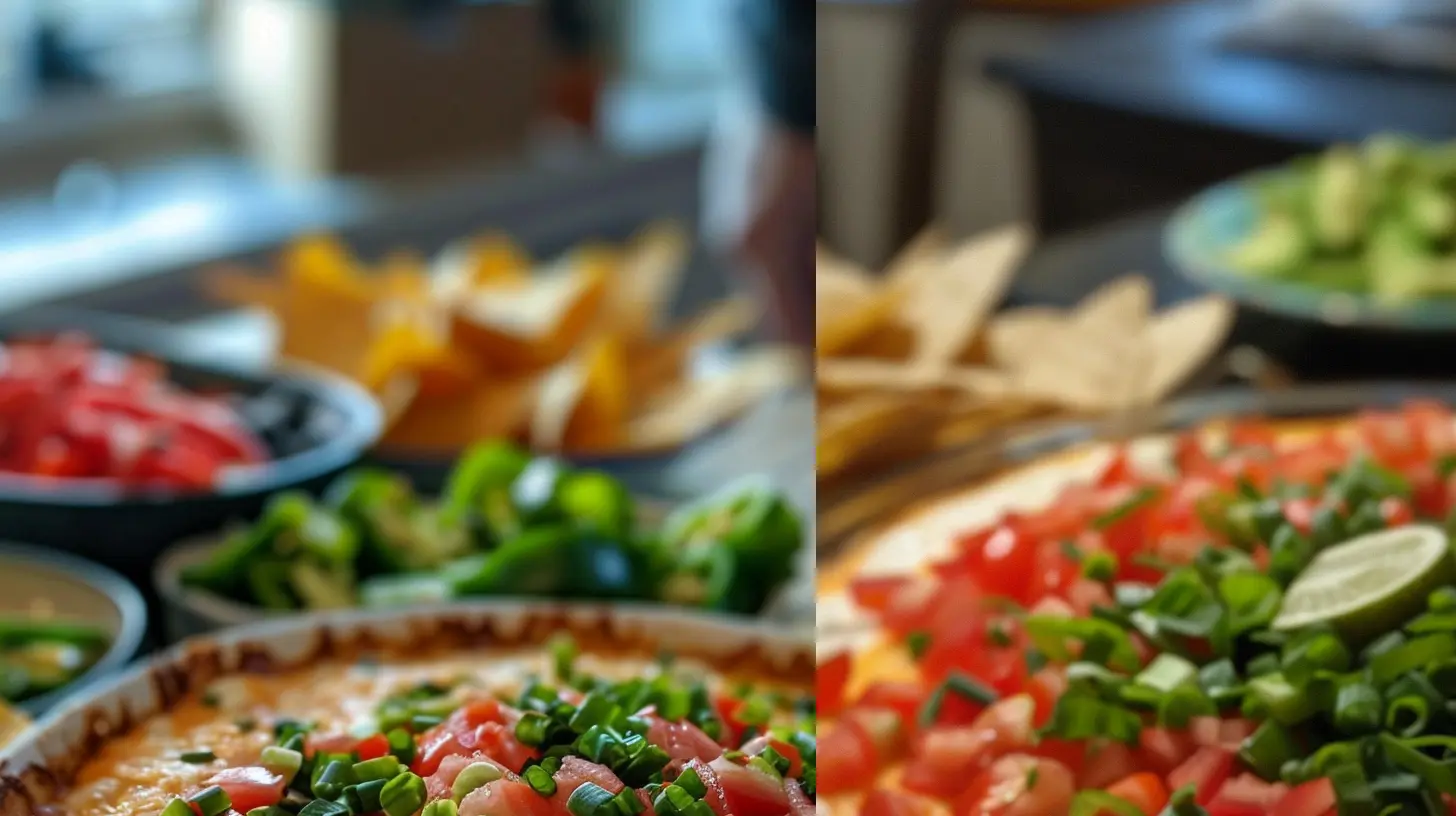
– Overcrowding the Pan: This traps steam, causing meat to braise instead of sear. Cook in batches if needed.
– Skipping the Resting Step: Cutting meat immediately releases juices, leaving dry fajitas. Let it rest for 5 minutes.
– Using Low Heat: High heat is non-negotiable for that smoky char. Preheat pan until smoking before adding oil.
– Underseasoning Vegetables: Onions and peppers are bland without salt and direct contact with hot oil. Season immediately after adding to pan.
– Soggy Tortillas: Toast tortillas in a dry skillet over medium heat for 30 seconds per side for crispiness.
—
Storage & Meal Prep Tips
– Refrigeration: Store cooked fajita meat and veggies in an airtight container for up to 4 days. Keep tortillas and toppings separate.
– Freezing: Freeze cooked fajita mix (without tortillas) in a freezer-safe bag for up to 3 months. Thaw overnight in the fridge.
– Reheating: Reheat in a hot skillet over medium-high heat for 2–3 minutes (avoid microwave, which makes meat rubbery). Add a splash of water or broth to revive moisture.
– Meal Prep Idea: Pre-slice vegetables and marinate meat the night before. Assemble and cook fresh each night for a 10-minute dinner.
—
Conclusion
Mastering Fajitas (Chicken or Beef) at home is all about balancing high heat, fresh ingredients, and a well-crafted fajita seasoning that ties everything together. By following this guide—from proper pan preheating to resting meat—you’ll consistently achieve that restaurant-quality sizzle and flavor. The beauty of fajitas lies in their flexibility: swap proteins, adjust spice, or load up on vegetables for a wholesome meal that fits your lifestyle. I encourage you to try this recipe tonight, experiment with your favorite toppings, and share your results in the comments below. For more quick weeknight dinners, check out our one-pot chicken fajita rice recipe or sheet pan taco night guide. Happy cooking!
—
FAQs
1. Can I use chicken thighs instead of chicken breast?
Yes! Thighs are more forgiving and juicier due to higher fat content. Cook them 1–2 minutes longer per side.
2. What if I don’t have fajita seasoning?
Combine 1 tsp chili powder, ½ tsp cumin, ½ tsp smoked paprika, ¼ tsp garlic powder, ¼ tsp onion powder, salt, and pepper. This is a perfect substitute.
3. How do I prevent tortillas from breaking?
Warm them in a dry skillet for about 30 seconds per side. For extra flexibility, wrap in a damp paper towel and microwave for 15 seconds.
4. Can I make fajitas dairy-free?
Absolutely. Omit cheese and sour cream. Use avocado, salsa, and dairy-free sour cream alternatives.
5. Why are my fajitas soggy instead of sizzling?
Likely due to overcrowding the pan or using wet vegetables. Pat veggies dry with paper towels before cooking.