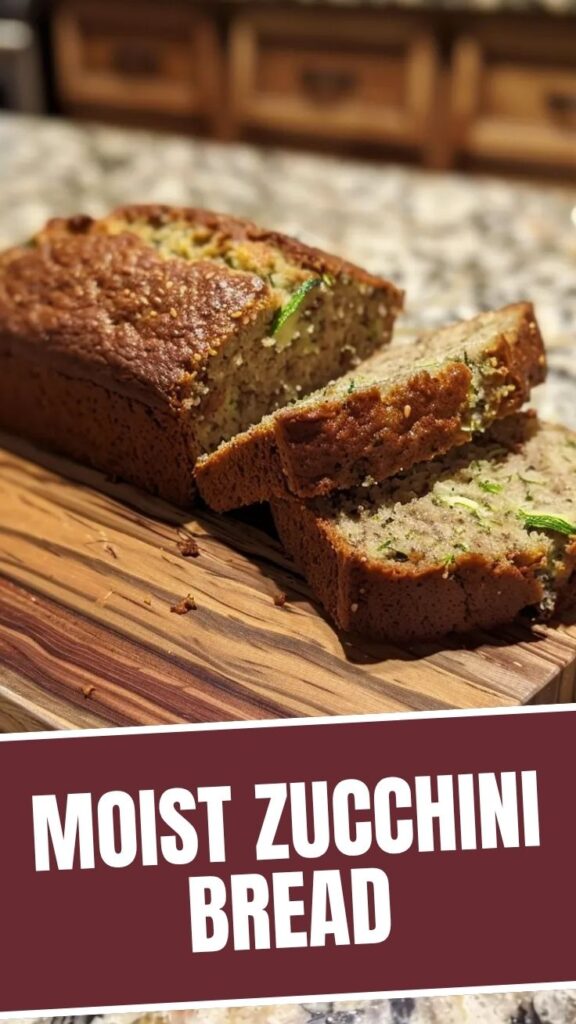
The Ultimate Guide to Perfectly Moist Zucchini Bread: Your Go-To Recipe for Every Kitchen
Have you ever wondered why some loaves of zucchini bread turn out dense, soggy, or just plain disappointing? The secret lies not in the zucchini itself, but in how you handle moisture, balance your ingredients, and time your bake. When you prepare Zucchini Bread at home from scratch, you unlock a world of superior texture, deeper flavor, and total control over what goes into your food. You avoid the preservatives found in store-bought versions and can adapt the recipe to fit dietary needs like using gluten free zucchini bread alternatives. This comprehensive, data-driven guide will walk you through every detail, from selecting the perfect squash to storing your loaf for peak freshness days later.
Ingredients & Kitchen Tools
To ensure a perfect rise and tender crumb every time, assemble the following components. Each ingredient plays a specific role in structure, moisture retention, or flavor depth.
Ingredients:
– All-purpose flour (2 ½ cups): Provides the structural backbone. For a lighter crumb, spoon and level your flour; don’t scoop directly from the bag, which compacts it.
– Grated zucchini (2 cups, packed): Do not squeeze out all the moisture. The natural water content is what guarantees a moist loaf. If your zucchini is exceptionally watery, blot lightly with a paper towel.
– Granulated sugar (1 cup): Adds sweetness and tenderizes the gluten structure. You can reduce to ¾ cup for a less sweet version.
– Brown sugar (½ cup, packed): Provides molasses notes and extra moisture.
– Vegetable oil (½ cup): Keeps the bread tender for days. Substitute melted coconut oil or unsweetened applesauce (use ⅓ cup applesauce + 2 tablespoons oil) for a lower-fat option.
– Large eggs (2): Bind ingredients and add richness. For an egg-free version, use flax eggs (2 tablespoons ground flaxseed + 6 tablespoons water, rested for 5 minutes).
– Vanilla extract (2 teaspoons): Enhances sweetness and rounds out flavors.
– Baking soda (1 teaspoon) & Baking powder (½ teaspoon): The dual leavening agents create lift. Ensure both are fresh (less than 6 months old).
– Ground cinnamon (1 ½ teaspoons) & Ground nutmeg (½ teaspoon): Warm spices that complement the mild zucchini flavor.
– Salt (½ teaspoon): Balances sweetness and strengthens gluten.
– Optional add-ins: ½ cup chopped walnuts or pecans, ½ cup chocolate chips, or ½ cup raisins.
Kitchen Tools:
– 9×5-inch loaf pan (metal or glass; metal yields crispier edges)
– Parchment paper (for easy removal)
– Box grater or food processor with grating disc
– Large mixing bowl and medium bowl
– Whisk and rubber spatula
– Cooling rack
Prep Time & Cooking Schedule
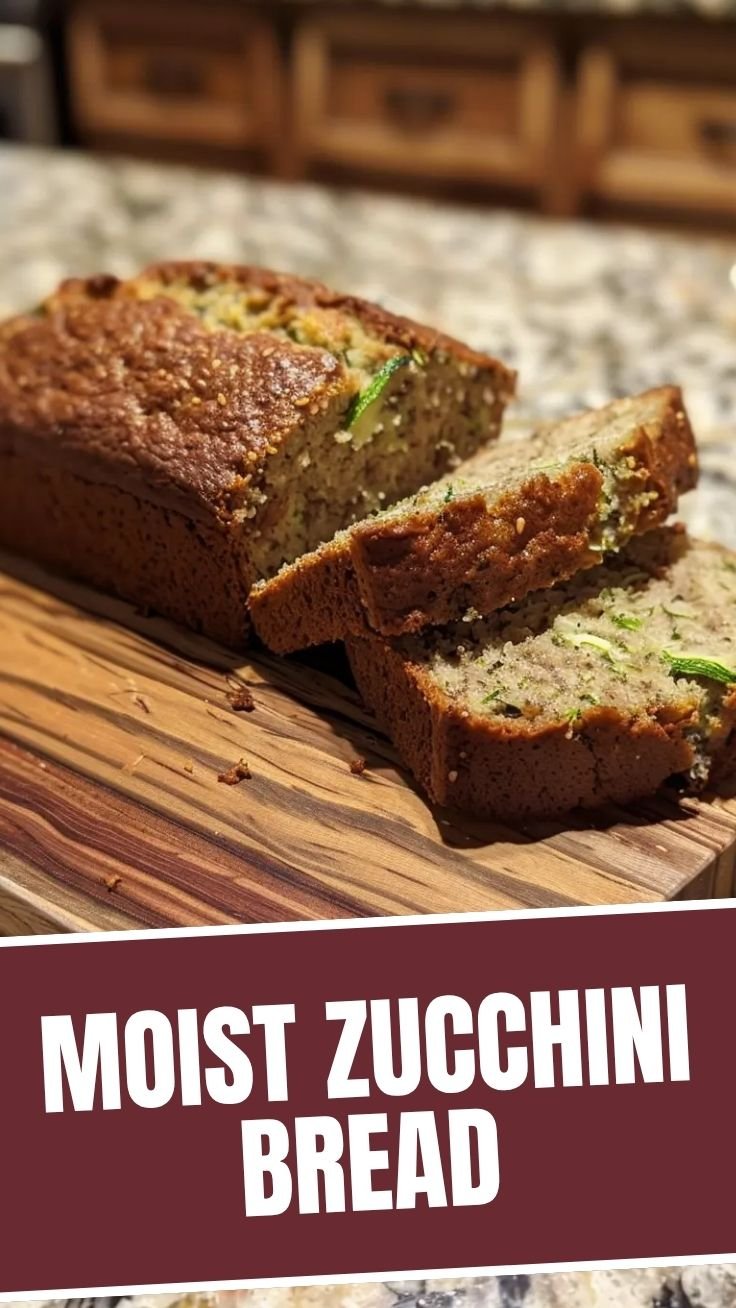
Planning your baking time ensures you enjoy warm bread straight from the oven without rushing.
– Prep Time: 20 minutes (includes grating zucchini, measuring dry ingredients, and mixing)
– Bake Time: 50–60 minutes at 350°F (175°C)
– Cooling Time in Pan: 10 minutes before transferring to a wire rack
– Total Time for Complete Cooling: 1 hour 30 minutes (crucial to avoid gummy slices)
Context for planning: Start grating your zucchini after you’ve preheated the oven. Freshly grated squash releases water quickly, so prepare it just before mixing. If you’re baking early in the morning, set your ingredients out the night before to come to room temperature—this ensures even mixing and a more consistent crumb structure. For best slicing results, wait until the loaf is completely cool (about 2 hours total from start to finish).
Step-by-Step Instructions
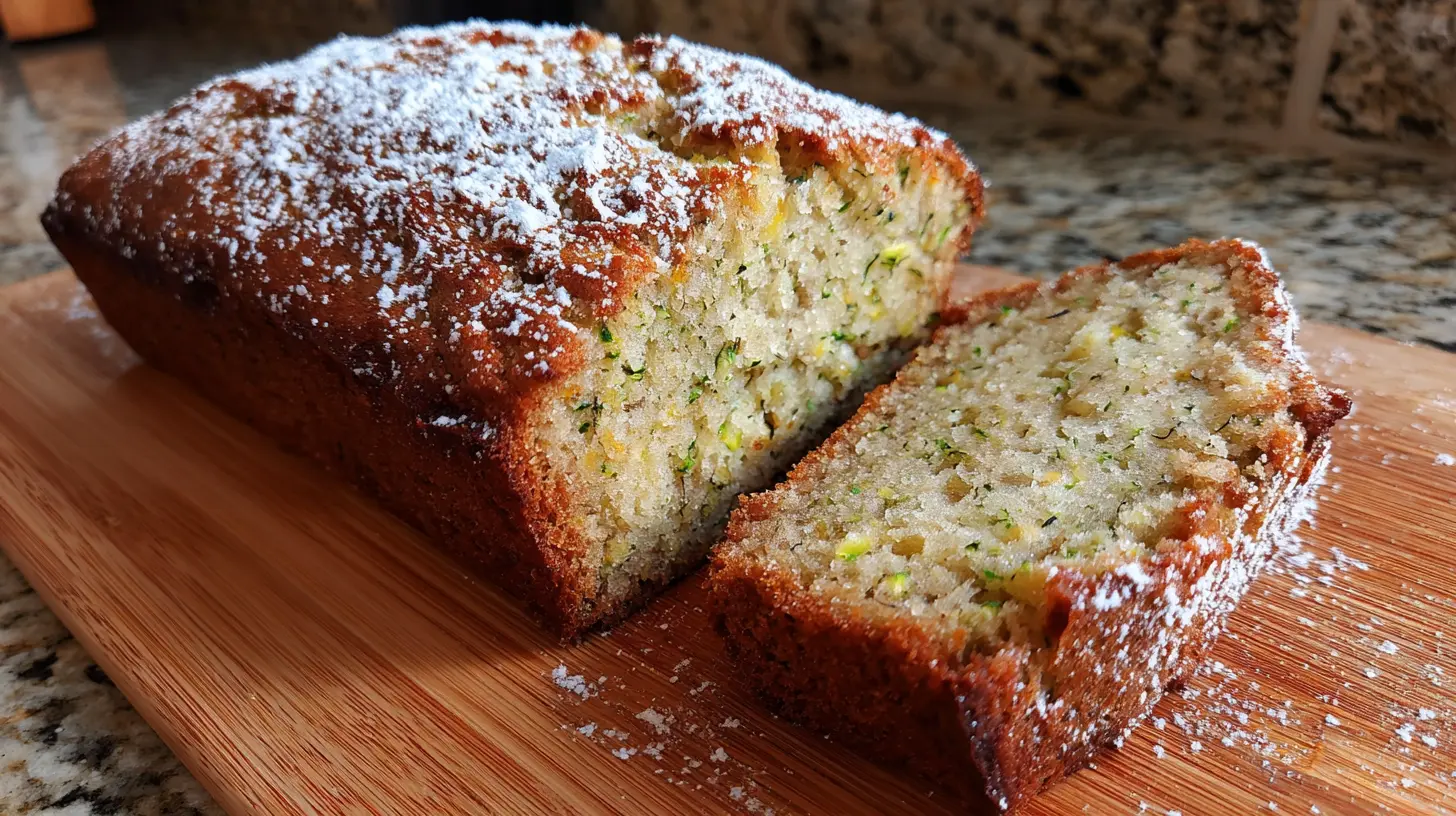
Follow these precise steps to achieve bakery-quality Zucchini Bread at home.
Step 1: Prepare your oven and pan
Preheat your oven to 350°F (175°C). Grease your 9×5-inch loaf pan thoroughly with butter or nonstick spray, then line with parchment paper, leaving overhang on two sides. This “hammock” method ensures effortless removal.
Step 2: Grate and prepare zucchini
Wash your zucchini thoroughly but do not peel—the skin provides texture and nutrients. Grate using the large holes of a box grater. Place the shreds in a clean kitchen towel or paper towels and gently press to remove excess moisture. Do not squeeze until dry; you want about 2 cups of lightly drained, packed zucchini.
Step 3: Mix dry ingredients
In a medium bowl, whisk together the flour, baking soda, baking powder, cinnamon, nutmeg, and salt. This uniform distribution prevents clumps of leavener or spice in your final loaf.
Step 4: Combine wet ingredients
In a large bowl, whisk the granulated sugar, brown sugar, and oil until well combined, about 30 seconds. Add eggs one at a time, whisking after each addition, then stir in vanilla extract. The mixture should be smooth and glossy.
Step 5: Incorporate zucchini and dry ingredients
Fold the grated zucchini into the wet mixture using a rubber spatula. Then add the dry ingredients in three additions, folding gently after each until just combined. Overmixing develops gluten and results in a tough, rubbery loaf. A few small streaks of flour are acceptable.
Step 6: Fold in add-ins and transfer to pan
If using nuts, chocolate chips, or raisins, fold them in at the end. Pour batter into the prepared pan and smooth the top. For a professional finish, sprinkle a teaspoon of turbinado sugar over the surface for a crunchy, caramelized crust. If you’re adapting the recipe for dietary needs, you can confidently make a loaf using quality gluten free zucchini bread flour blends—just ensure your blend contains xanthan gum to mimic gluten’s binding properties.
Step 7: Bake and test for doneness
Bake for 50–60 minutes on the center rack. At 45 minutes, tent loosely with foil if the top is browning too quickly. The loaf is done when a toothpick inserted into the center emerges with only a few moist crumbs (no wet batter). The internal temperature should reach 200–205°F (93–96°C).
Step 8: Cool completely
Let the loaf rest in the pan for 10 minutes, then lift using parchment overhang to transfer to a wire rack. Cool completely (at least 1 hour) before slicing. Cutting while warm will yield a gummy, dense texture.
Nutritional Benefits & Advantages
This zucchini bread delivers more than just comfort. A single slice (based on 10 slices per loaf) provides approximately:
– Calories: 280
– Fat: 11g (mostly unsaturated from oil)
– Carbohydrates: 41g
– Fiber: 1.5g
– Protein: 4g
– Vitamin A: 4% DV (from zucchini skin)
– Vitamin C: 6% DV (from fresh zucchini)
– Potassium: 160mg
Zucchini itself is 95% water, which allows you to reduce added fat compared to other quick breads while maintaining moisture. The vegetable also provides lutein and zeaxanthin, antioxidants that support eye health. By controlling sugar levels at home, you can cut the typical bakery amount by up to one-third without sacrificing taste. Additionally, using whole wheat pastry flour (swap 1:1) boosts fiber to 3.5g per slice.
Tips Variations & Cooking Advice
Experiment with these proven variations to keep your loaf exciting year-round.
Flavor Variations:
– Lemon-Ricotta: Reduce oil to ¼ cup, add ½ cup ricotta cheese and 2 tablespoons lemon zest.
– Pumpkin Spice: Replace cinnamon/nutmeg with 2 teaspoons pumpkin pie spice; use 1 cup pumpkin purée in place of ½ cup zucchini.
– Chocolate Cherry: Fold in ½ cup dark chocolate chips and ¼ cup dried cherries.
Cooking Method Alternatives:
– Muffins: Divide batter into a greased 12-cup muffin tin. Bake at 350°F for 18–22 minutes.
– Mini Loaves: Use 4 mini loaf pans (5×3-inch). Bake for 30–35 minutes.
– Air Fryer: Pour batter into a pan that fits your air fryer basket. Bake at 320°F for 35–40 minutes (check at 30).
Dietary Adaptations:
– For a dairy-free version, the recipe is already dairy-free if you skip nut toppings.
– For vegan zucchini bread, use flax eggs and coconut oil. The texture will be slightly denser but still moist.
– For a version that’s friendly to various dietary restrictions, try a reliable gluten free zucchini bread recipe that uses a 1:1 all-purpose gluten-free flour blend—the results are surprisingly close to traditional texture.
Common Mistakes to Avoid
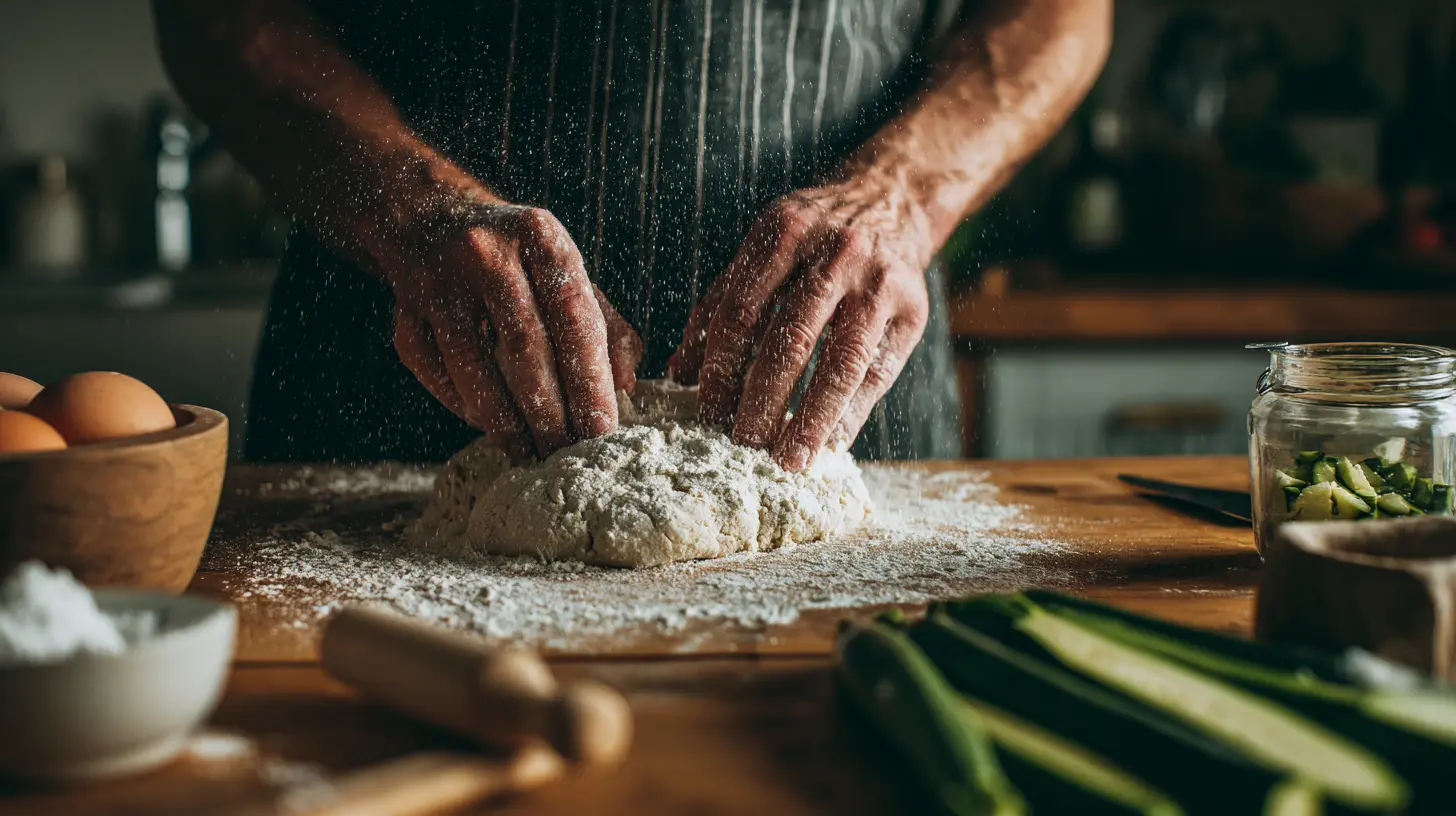
Even experienced bakers encounter pitfalls. Here’s how to troubleshoot the most frequent issues.
Mistake 1: Dense, gummy texture
Cause: Overmixing the batter or adding too much zucchini moisture.
Solution: Mix only until flour disappears—about 15 strokes with a spatula. Never use an electric mixer for the final combination. Also, ensure you only lightly press grated zucchini; don’t wring it dry.
Mistake 2: Sunken middle
Cause: Opening the oven door too early or underbaking.
Solution: Wait until at least 45 minutes of baking before checking. Use an instant-read thermometer for accuracy.
Mistake 3: Soggy bottom crust
Cause: The loaf pan is too high on the rack or batter is too wet.
Solution: Bake on the lower-middle rack. If your zucchini is exceptionally large and watery, sprinkle 1 tablespoon of flour over the grated squash before adding to batter.
Mistake 4: Cracked top
Cause: Oven temperature is too high or too much baking powder.
Solution: Verify oven temperature with an oven thermometer. Reduce baking powder to ¼ teaspoon if you notice consistent cracking.
Mistake 5: Burnt edges but raw center
Cause: Dark metal pan or glass pan conducting heat unevenly.
Solution: Use a light-colored metal pan. If using glass, reduce oven temperature by 25°F.
Storage & Meal Prep Tips
Proper storage ensures your zucchini bread stays fresh and delicious for days.
Room Temperature Storage: Wrap the completely cooled loaf tightly in plastic wrap, then again in aluminum foil. Store at room temperature for up to 4 days. The double layer prevents moisture loss while keeping the crust from becoming hard.
Refrigeration: Not recommended unless your kitchen is very hot (above 80°F). The refrigerator draws moisture out, making bread stale faster. If refrigerating, wrap in plastic wrap plus foil and consume within 5 days.
Freezing (Best Method):
1. Cool the loaf completely.
2. Wrap tightly in two layers: first plastic wrap, then heavy-duty foil.
3. Place in a freezer-safe bag, squeezing out excess air.
4. Freeze for up to 3 months.
5. To thaw: Remove foil and plastic, wrap in a clean kitchen towel, and let sit at room temperature for 2–3 hours.
6. For warm slices: Microwave a single slice for 15–20 seconds.
Reheating Tips:
– Oven (best for whole loaf): Wrap in foil and heat at 300°F for 10–15 minutes.
– Toaster (best for slices): Lightly toast at a low setting to restore a crisp exterior.
– Avoid microwave reheating of whole loaves—it introduces steam that makes the bread soggy.
Meal Prep Bonus: You can freeze grated zucchini in 2-cup portions within freezer bags for up to 6 months. Thaw overnight in the refrigerator, then drain slightly before using—this makes fresh-baked zucchini bread possible any time of year.
Conclusion
Mastering homemade Zucchini Bread transforms a simple garden surplus into a deeply satisfying, endlessly adaptable treat that rewards you with superior texture and flavor every time. By following the precise moisture control, mixing techniques, and baking schedules outlined here, you’ll consistently produce a loaf that’s tender, fragrant, and beautifully domed. Whether you’re craving the classic version or exploring alternatives like gluten free zucchini bread, this guide gives you the confidence to adjust and experiment. We encourage you to bake this weekend, share a photo of your golden-brown creation, and explore our collection of quick bread recipes for more inspiration.
FAQs
1. Can I skip peeling the zucchini?
Yes. The dark green skin is edible and contains fiber and nutrients. It also adds tiny flecks of color that make the bread visually appealing. Only peel if you prefer a uniform texture or are using very large, tough-skinned zucchini.
2. Why did my bread turn out too salty or too sweet?
Salt measurement is critical. Use precisely ½ teaspoon of fine table salt (not coarse kosher, which is less dense). For sweetness, if you reduced sugar below 1 cup total, the bread may taste bland because zucchini itself is very mild. Always stick to at least ¾ cup total sugar for proper structure.
3. Can I use whole wheat flour instead of all-purpose?
Absolutely, but adjust the liquid. Whole wheat flour absorbs more moisture. Replace half the all-purpose flour with whole wheat, or use a whole wheat pastry flour for a more tender result. If using 100% whole wheat, add 2 tablespoons of milk or water to the batter.
4. How do I know if my zucchini bread is baked through without a thermometer?
Insert a wooden toothpick into the center. It should come out with a few moist crumbs but no wet batter. Additionally, the loaf should pull away slightly from the sides of the pan. If the top springs back when pressed gently, it’s done.
5. Can I make this recipe nut-free?
Yes. Simply omit any nuts called for. The recipe works perfectly without them. If you want crunch, try adding ½ cup unsalted sunflower seeds or pepitas (pumpkin seeds) instead, which provide texture without triggering nut allergies.
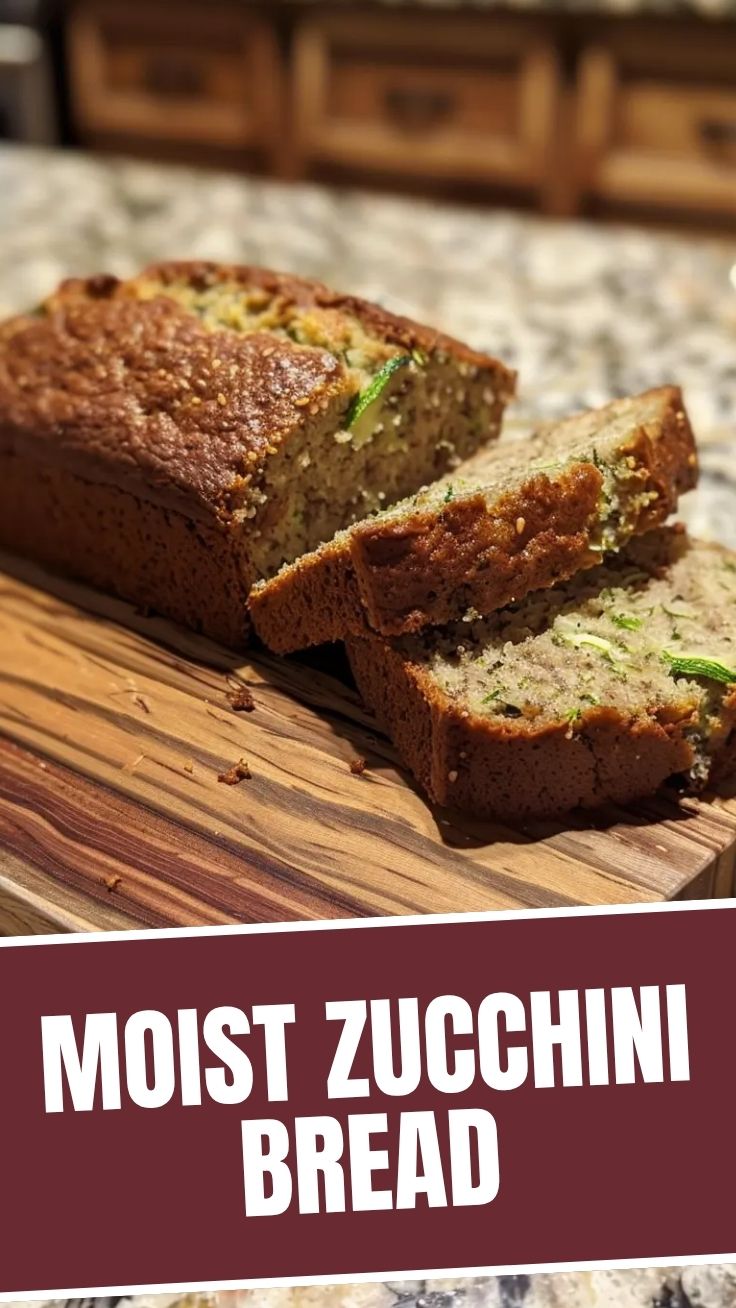
Best way to grow perfect Zucchini Bread
Ingredients
Equipment
Method
- Preheat your oven to 325°F (160°C) and grease and flour two 8x4-inch loaf pans; set aside.
- In a medium bowl, whisk together the flour, baking soda, baking powder, salt, cinnamon, and nutmeg.
- In a large bowl, beat the eggs, oil, and sugar until well combined, then stir in the vanilla extract.
- Gradually add the dry ingredients to the wet ingredients, mixing until just combined.
- Fold in the shredded zucchini and any desired add-ins like nuts or chocolate chips.
- Divide the batter evenly between the prepared loaf pans.
- Bake for 40-60 minutes, or until a wooden skewer inserted into the center comes out clean.
- Let the loaves cool in the pans for 10 minutes before transferring them to a wire rack to cool completely.
- Dust with powdered sugar before serving, if desired.