The Secret to Perfect Crab Cakes (Maryland Style) Revealed
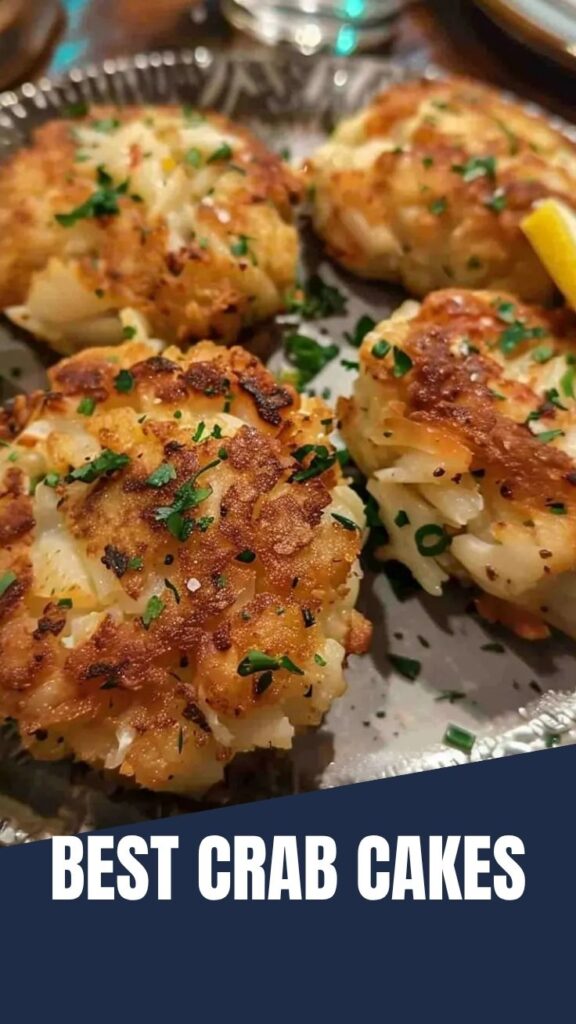
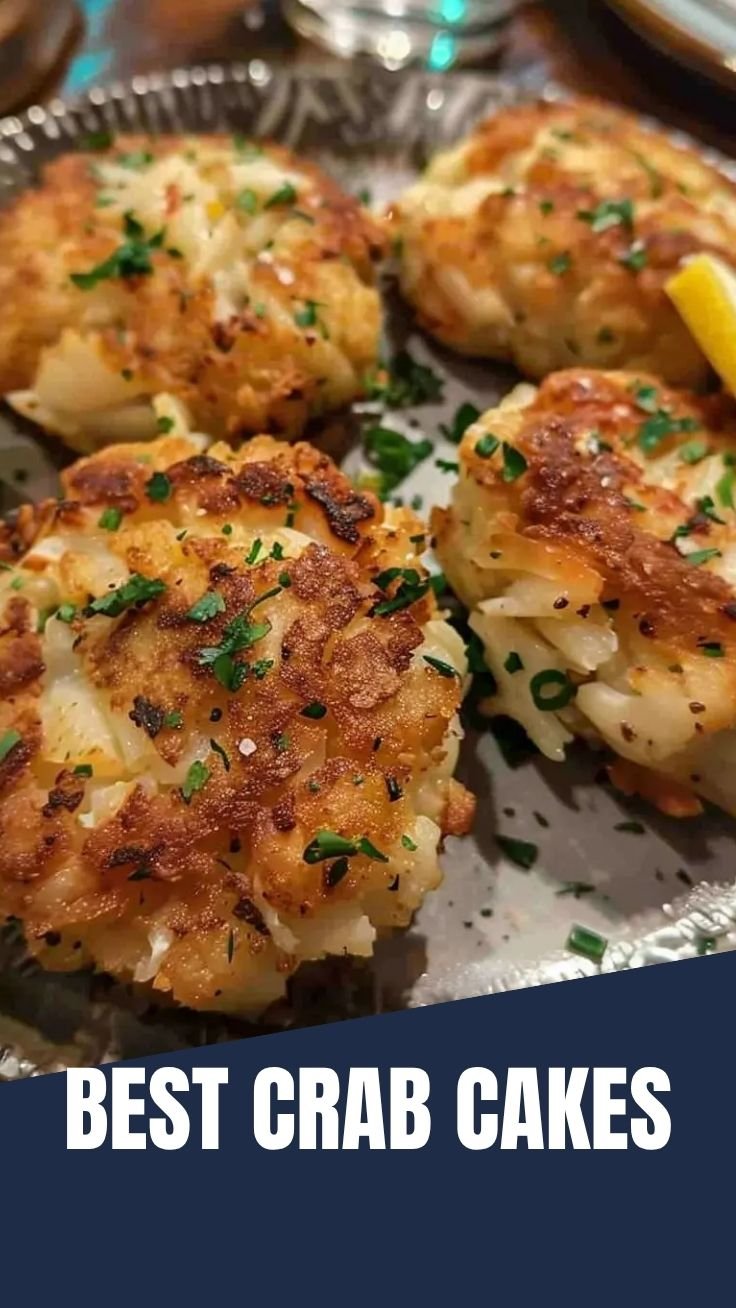
Have you ever wondered what transforms a simple seafood patty into a culinary icon? For many, the answer lies in the pristine sweetness of the Chesapeake Bay. If you’ve never experienced the perfect balance of tender lumps and delicate seasoning, it’s time to master Crab Cakes (Maryland Style) at home. This recipe relies on the unmatched flavor of premium Maryland Blue Crab to create a dish that rivals any coastal restaurant. Preparing these patties yourself ensures you control the quality of every ingredient—no fillers, no shortcuts, just pure, sweet crabmeat. Whether you’re a seasoned cook or a curious beginner, this guide will walk you through every detail so you can serve golden, crispy crab cakes that taste like they came straight from a Baltimore harbor kitchen.
Ingredients & Kitchen Tools
Crabmeat & Binder
– 1 lb jumbo lump or backfin Crab Cakes (Maryland Style) requires premium meat—look for pasteurized claw meat if fresh isn’t available
– ½ cup panko breadcrumbs (substitute: crushed saltines or almond flour for gluten-free)
– 2 large eggs (acts as binder; substitute: 2 tbsp flaxseed meal + 6 tbsp water for vegan)
– ¼ cup mayonnaise (preferably Duke’s or Hellmann’s; substitute: Greek yogurt for lighter version)
Seasonings & Aromatics
– 1 tbsp Dijon mustard (adds tang; substitute: whole-grain mustard)
– 1 tsp Worcestershire sauce (use gluten-free variety if needed)
– ½ tsp Maryland Blue Crab seasoning (Old Bay is traditional, but a homemade mix of paprika, celery salt, cayenne, and black pepper works too)
– 1 tbsp fresh lemon juice (bottled works in a pinch)
– 2 tbsp finely minced fresh parsley (optional but recommended)
– ¼ tsp salt (adjust to taste if using seasoned breadcrumbs)
– ¼ tsp black pepper
Cooking & Equipment
– 3 tbsp butter or neutral oil (ghee for dairy-free)
– Large mixing bowl (avoid reactive metals like copper)
– Sheet pan lined with parchment paper (for chilling)
– Heavy skillet (cast iron preferred for even browning)
– Spatula (thin metal spatula works best for flipping)
– Cooling rack (keeps bottoms from steaming)
Prep Time & Cooking Schedule
Total Active Time: 25 minutes | Chilling Time: 30 minutes minimum (or overnight)
Timeline breakdown:
– Gathering ingredients: 5 minutes
– Mixing and shaping patties: 10 minutes
– Chilling (essential step): 30 minutes (but can rest up to 24 hours in fridge)
– Pan-frying (4 patties per batch): 8-10 minutes per batch
– Resting on cooling rack: 2 minutes after cooking
Pro tip: Chilling is non-negotiable. Cold patties hold their shape during cooking and develop a golden crust without overbrowning. If you’re short on time, freeze the shaped patties for 15 minutes instead.
Step-by-Step Instructions
1. Pick through the crabmeat – Gently inspect for any stray shell fragments or cartilage. Resist the urge to overhandle; you want large lumps intact. Set aside.
2. Build the binder – In a large bowl, whisk the eggs until frothy. Add mayonnaise, Dijon mustard, Worcestershire sauce, lemon juice, parsley, salt, and pepper. Stir until homogeneous.
3. Fold in the star – Very gently fold the panko and then the Crab Cakes (Maryland Style) mixture into the binder. Use a rubber spatula with a cutting motion—do not stir, or you’ll break the lumps. The goal is to coat the premium Maryland Blue Crab meat without mashing it.
4. Shape the patties – Using your hands, form 8 equally sized patties (about 3 inches wide, 1 inch thick). Place them on the parchment-lined sheet pan. Press gently—they should be firm but tender.
5. Chill thoroughly – Refrigerate for at least 30 minutes. This solidifies the fat and prevents spreading in the pan.
6. Heat the skillet – Over medium heat, add 1.5 tbsp butter and 1.5 tbsp oil. Wait until the butter foams and subsides—you want sizzling but not smoking.
7. Sear to perfection – Gently place 4 patties in the pan (do not overcrowd). Cook 4-5 minutes per side until deep golden brown and crispy. Flip only once using a thin spatula. The internal temperature should reach 145°F (63°C).
8. Drain and rest – Transfer to a wire rack set over a sheet pan. This keeps them crisp. Serve immediately with lemon wedges and tartar sauce.
Temperature tip: If the pan gets too hot (butter browning too fast), reduce heat to medium-low and add a splash of oil to cool it down.
Nutritional Benefits & Advantages
Crab is a nutritional powerhouse. A 3.5-ounce serving of Maryland Blue Crab provides 20 grams of high-quality protein, only 87 calories, and minimal saturated fat. It’s rich in vitamin B12 (supports nerve health), selenium (antioxidant that protects cells), and omega-3 fatty acids (reduces inflammation). Unlike many fried seafoods, these crab cakes are pan-fried with minimal oil, keeping the fat content reasonable. The protein-to-calorie ratio makes them ideal for muscle repair and weight management. Even the panko and egg add small amounts of iron and choline. By cooking at home, you avoid the sodium and preservatives often found in restaurant versions—a single serving contains about 400-500 mg sodium instead of 1,000+ mg.
Tips Variations & Cooking Advice
Flavor twists:
– Spicy kick: Add 1 tsp chipotle powder or ½ tsp cayenne to the binder.
– Herb garden: Swap parsley for tarragon or chives for a fresh lift.
– Cheesy indulgence: Fold ¼ cup grated Parmesan into the binder (omit salt to compensate).
Cooking method swaps:
– Baked version: Bake at 400°F (200°C) for 12-15 minutes, flipping halfway. Less crispy but healthier.
– Air fryer: 370°F (188°C) for 10-12 minutes, spraying with oil halfway. Excellent crunch.
– Broiled: 6 inches from heat, 4-5 minutes per side. Watch closely to avoid burning.
Dietary adaptations:
– Gluten-free: Use ½ cup almond flour + 2 tbsp coconut flour instead of panko.
– Dairy-free: Use avocado oil and egg-only binder (no mayonnaise). Add 1 tbsp Dijon for moisture.
– Low-carb: Replace panko with crushed pork rinds or finely chopped mushrooms.
Portion changes: Double the recipe for a crowd—just ensure patties aren’t larger than 3 inches wide or they won’t cook evenly.
Common Mistakes to Avoid
1. Overmixing the crabmeat – This is the #1 mistake. If you stir aggressively, the lumps break down into a pâté-like mess. Solution: Use a gentle folding motion, just 8-10 turns.
2. Skipping the chill step – Warm patties fall apart in the pan. Solution: Always chill for at least 30 minutes. For extra insurance, freeze for 15 minutes before cooking.
3. Using too much filler – More breadcrumbs means less crab flavor. Solution: Stick to the ½ cup ratio. If the mixture seems too wet, add 1-2 tbsp more panko, but not more.
4. Cooking at too high heat – High heat burns the outside before the inside is cooked. Solution: Medium heat is your friend. Test a small piece first—if it browns in under 3 minutes, lower the heat.
5. Flipping too early – Crust hasn’t formed, so the cake sticks and tears. Solution: Wait until the edges are deep golden and the bottom releases easily from the pan. Use a thin spatula.
6. Crowding the pan – Too many patties lower the pan temperature, causing steaming instead of searing. Solution: Cook in batches of 4 maximum for a 10-inch skillet.
Storage & Meal Prep Tips
Refrigeration: Store cooled crab cakes in an airtight container with parchment paper between layers. They stay fresh for up to 3 days. Warning: Do not stack hot cakes—condensation will make them soggy.
Freezing: For longer storage, flash-freeze individual patties on a sheet pan until firm (about 1 hour). Transfer to a zip-top bag, squeezing out air. They maintain quality for 2 months. Pro tip: Freeze them unbaked, then cook directly from frozen, adding 2-3 minutes to the cooking time.
Reheating instructions:
– Oven (best for texture): 350°F (175°C) for 8-10 minutes on a wire rack set over a baking sheet.
– Air fryer: 350°F for 4-5 minutes.
– Skillet: Over medium heat with a splash of oil, 3-4 minutes per side.
– Microwave (not recommended): 30-40 seconds at 50% power, but the crust will be soft.
Meal prep tip: Double the recipe, cook half, and freeze the raw patties. You’ll have restaurant-quality crab cakes ready in 15 minutes on a busy weeknight.
Conclusion
Mastering authentic Crab Cakes (Maryland Style) is simpler than you think when you start with high-quality Maryland Blue Crab. The keys are gentle handling, proper chilling, and moderate heat. By following this guide, you’ll consistently produce crispy, golden patties with sweet, lumpy interiors that honor the Chesapeake tradition. Whether you serve them as an appetizer with remoulade or as a main alongside coleslaw, this recipe delivers exceptional results every time. I’d love to hear how yours turn out—share your photos and tweaks in the comments below. If you enjoyed this, check out our guides for salmon cakes and shrimp burgers for more coastal flavors.
FAQs
Q: Can I use canned crabmeat instead of fresh?
A: Yes, but choose pasteurized lump or backfin meat labeled “premium” or “jumbo lump.” Avoid claw meat (too dry) or imitation crab (too processed). Drain well and pick through for shells.
Q: My crab cakes fell apart in the pan. What went wrong?
A: Three common causes: (1) not enough binder (add an extra egg next time), (2) skipped chilling step, or (3) flipped too early. Always chill at least 30 minutes and wait for a deep golden crust before flipping.
Q: How can I make these dairy-free?
A: Use vegan mayonnaise (or omit it and add 1 more egg yolk), replace butter with avocado oil, and skip any cheese variations. The binder will still hold together well.
Q: Why do my crab cakes taste fishy?
A: That usually indicates old or low-quality crabmeat. Always check the sell-by date and smell the meat before using—it should smell sweet, not briny or sulfurous. Adding a squeeze of lemon juice also masks any off-flavors.
Q: Can I bake these instead of frying?
A: Absolutely. Bake at 400°F (200°C) for 12-15 minutes, flipping halfway. For extra crunch, brush the tops with melted butter before baking. The texture will be less crispy than pan-fried but still delicious.