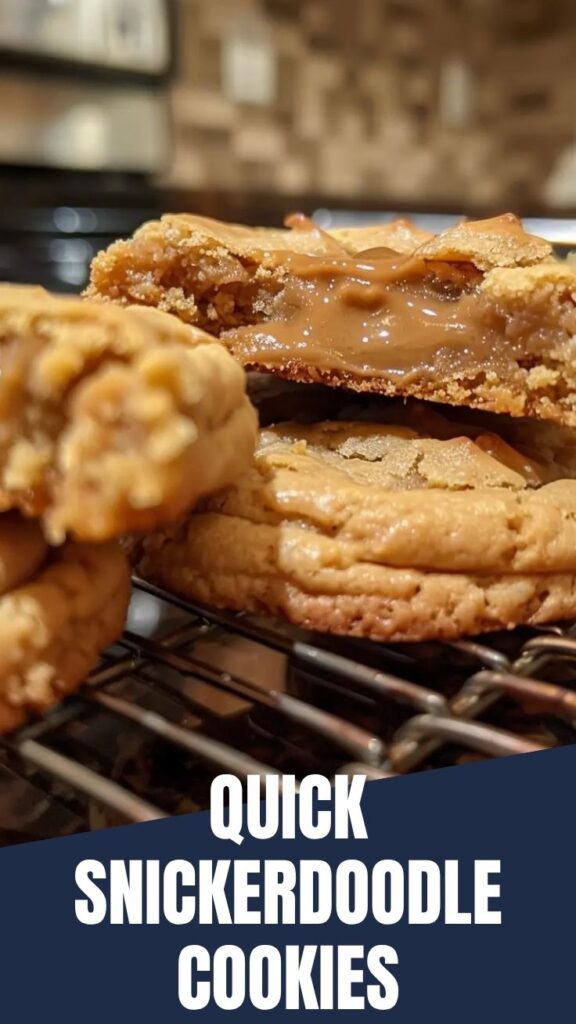
The Ultimate Guide to Baking Perfect Snickerdoodle Cookies at Home
Have you ever bitten into a soft, chewy cookie coated in cinnamon sugar and wondered why yours never turn out quite as good as the bakery version? The secret isn’t a professional oven or a culinary degree—it’s understanding the science behind the dough. Preparing Snickerdoodle Cookies from scratch at home not only fills your kitchen with an irresistible aroma but also gives you complete control over texture, sweetness, and freshness, and ingredient quality. In this comprehensive guide, we’ll walk through every step to ensure your homemade batch rivals any store-bought treat. Whether you’re a beginner baker or a seasoned pro, mastering this classic Snickerdoodle Cookies recipe will become a staple in your baking repertoire.
Ingredients & Kitchen Tools
Essential Ingredients
– 2 ¾ cups all-purpose flour – Provides structure; Provides structure; sift for a lighter crumb
– 1 teaspoon baking soda –; Helps cookies spread evenly; ensure it’s fresh
– ½ teaspoon cream of tartar –; The signature tangy flavor; don’t skip this!
– ½ teaspoon salt –; Balances sweetness and enhances flavors
– 1 cup unsalted butter, softened –; Room temperature is at room temperature for proper creaming
– 1 ½ cups granulated sugar –; Sweetness and browning
– 2 large eggs –; Bind ingredients; use room temperature for better emulsion
– 1 teaspoon vanilla extract –; Pure extract beats imitation for depth
For the Cinnamon Sugar Coating
– 3 tablespoons granulated sugar –; Fine sugar clings best
– 1 tablespoon ground cinnamon –; Fresh cinnamon packs more punch
Kitchen Tools
– Stand mixer or hand mixer –; For creaming butter and sugar
– Large mixing bowls (2) –; One for dry, one for wet
– Whisk –; Aerate dry ingredients
– Rubber spatula –; For scraping bowl scraping
– 1.5-tablespoon cookie scoop –; Uniform size = even baking
– Parchment paper or silicone baking mat –; Non-stick and easy cleanup
– Cooling rack –; Prevents soggy bottoms
Optional Substitutions
– Whole wheat pastry flour –; Replace up to half the all-purpose for a nuttier flavor
– Coconut sugar –; For a less refined sweetener (note: spread slightly more)
– Dairy-free butter –; Use a high-fat vegan butter (e.g., Miyoko’s) for best results
Prep Time & Cooking Schedule
Prep Time: 20 minutes
Chill Time: 30 minutes (minimum)
Bake Time: 10-12 minutes per batch
Total Time: ~1 hour 45 minutes
This recipe timeline assumes you’ll chill the dough—don’t skip this! Chilling prevents excessive spreading and deepens the flavor. Plan ahead so the dough rests in the refrigerator while you preheat the oven and prepare baking sheets. For best results, start the dough one day ahead; overnight chilling produces a denser, more complex cookie.
Step-by-Step Instructions
1. Combine the oven to 375°F (190°C) and line two baking sheets with parchment paper.
2. Whisk dry ingredients –; In a medium bowl, whisk together flour, baking soda, cream of tartar, and salt. Set aside.
3. Cream butter and sugar –; In a large bowl, beat the softened butter and 1 ½ cups sugar until light brown sugar on medium speed for 3–4 minutes until pale and fluffy. Scrape down the bowl.
4. Add eggs and vanilla –; One at a time, beating well after each addition. Mix in vanilla extract.
5. Combine wet and dry –; Gradually add the dry flour mixture to the wet ingredients, mixing on low just until no streaks of flour remain. Overmixing leads to tough Snickerdoodle Cookies.
6. Chill the dough –; Cover the bowl with plastic wrap and refrigerate for at least 30 minutes (up to 48 hours). Meanwhile, prepare your cinnamon-sugar coating in a small bowl.
7. Shape and coat –; use a cookie scoop to portion dough into 1.5-tablespoon balls. Roll each ball between your palms to smooth, then roll generously in the cinnamon-sugar mixture.
8. Bake –; Place dough balls 2 inches apart on baking sheets. Bake for 10–12 minutes, until edges are set and lightly golden but centers still look slightly underdone. They’ll continue baking from residual heat.
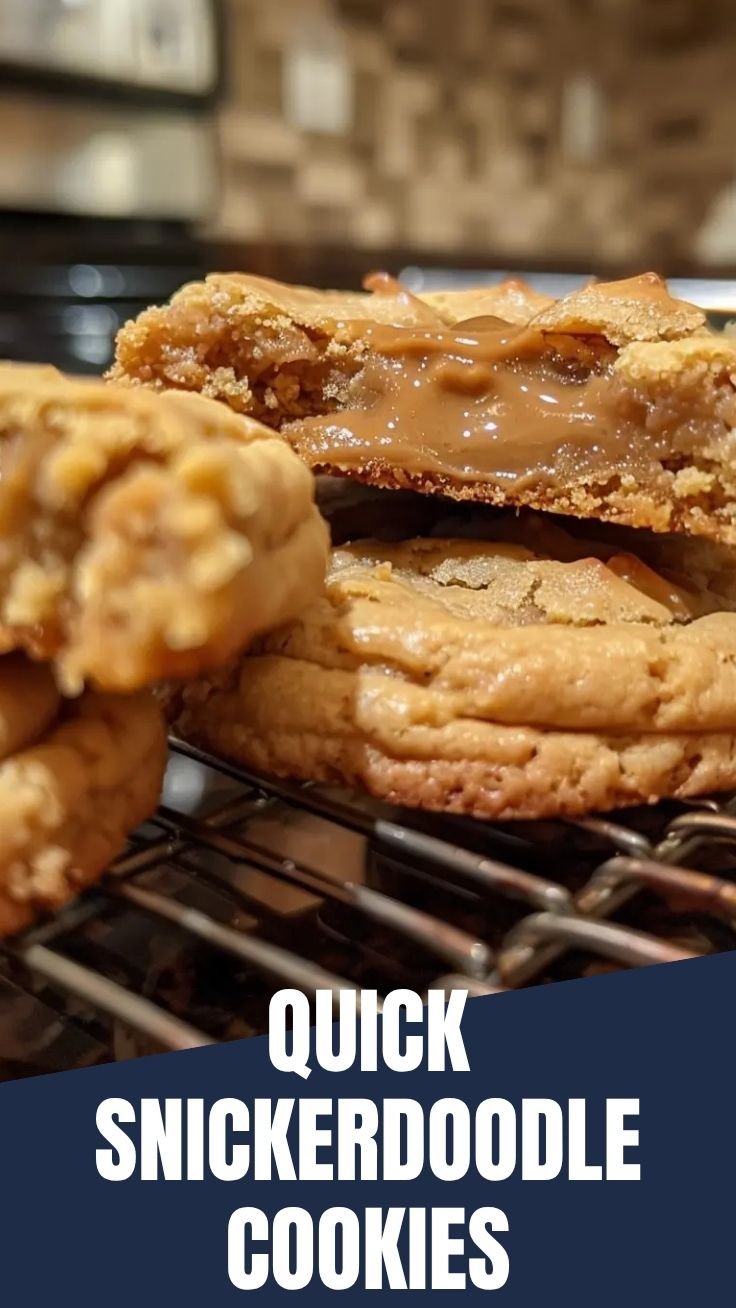
9. Cool –; Let cookies rest on the sheet for 5 minutes, then transfer to a wire rack to cool completely. This Snickerdoodle recipe produces soft, chewy centers with slightly puffy centers with crisp edges, thanks to the cream of tartar and correct chill time.
Nutritional Benefits & Advantages
Beyond their irresistible taste, these treats offer surprising perks. The cream of tartar provides potassium, which supports muscle function and heart health, while cinnamon has been shown to help regulate blood sugar levels and reduce inflammation. When prepared with whole wheat pastry flour (see substitutions), you add fiber for better digestion. A single cookie (using standard ingredients) contains approximately 120 calories, 6 grams of fat, and 2 grams of protein—making it a reasonable indulgence when enjoyed in moderation.
Tips Variations & Cooking Advice
– For extra chewiness –; Substitute 1 tablespoon of corn syrup for part of the sugar
– Brown butter version –; Brown the butter first, then cool to room temperature browsing before creaming for a nutty depth
– Cinnamon-swirl cookies –; Roll dough balls in cinnamon sugar twice after baking in a warm oven
– Spiced variation –; Add ¼ teaspoon nutmeg and ⅛ teaspoon cardamom to the dry ingredients
– Gluten-free adaptation –; Use a 1:1 gluten-free flour blend with xanthan gum; reduce baking soda to ¾ teaspoon
– Vegan adaptation –; Replace butter with vegan butter, eggs with flax eggs (2 tablespoons ground flaxseed + 6 tablespoons water, refrigerated 15 minutes before use)
Common Mistakes to Avoid

– Skipping the chill time –; Dough spreads into flat, greasy pancakes without chilling; always refrigerate at least 30 minutes
– Using cold butter –; Cold butter won’t cream properly; softened butter (65°F) is essential for aeration and texture
– Overbaking –; Slightly underbaked centers are perfect; remove as soon as edges turn golden to avoid dry, crunchy cookies
– Using old baking soda –; Test freshness by dropping a spoonful into vinegar— vigorous bubbling means it’s active
– Not rotating sheets mid-bake –; Ovens have hot spots; rotate and switch racks halfway through for even browning
Storage & Meal Prep Tips
Store baked cookies in an airtight container at room temperature for up to 5 days. Placing a piece of bread in the container helps maintain softness (replace bread daily). For longer storage). For longer term, freeze unbaked dough balls on a parchment-lined sheet until solid, then transfer to a freezer bag for up to 1 month. Bake from frozen at 375°F for 13-14 minutes without thawing. Avoid refrigerating baked cookies, becoming dry because absorption of fridge odors.
Conclusion
Mastering Snickerdoodle Cookies from scratch transforms a simple craving into a rewarding kitchen achievement. With the right understanding of temperature control, ingredient roles, and patience, and the Snickerdoodle recipe detailed above, you’ll produce consistently perfect results. The combination creamy tang of cream of tartar, warm cinnamon, and buttery richness creates a cookie that’s both nostalgic and sophisticated. Try this recipe for your next gathering—you’ll watch them disappear. Share your results or explore our other cinnamon-forward desserts for more inspiration.
FAQs
1. Can I substitute cream of tartar?
Yes, use 1 teaspoon lemon juice or white vinegar per ½ teaspoon cream of tartar, but the flavor will differ slightly. The cookie will be less tangy and slightly denser.
2. Why did my cookies spread too much?
Likely causes: dough was too warm (above 68°F) or insufficient cream of tartar. Chill dough thoroughly and measure cream of tartar precisely.
3. How do I make snickerdoodles extra soft?
Use a 2 egg yolks instead of whole eggs, add 2 tablespoons cornstarch to the flour, and bake at 350°F for slightly longer (12– minutes).
4. Can I make the dough ahead of time?
Absolutely! Refrigerate dough up to 48 hours or freeze for 1 month. Bring dough just to cool before rolling (30 minutes at room temp).
5. Why isn’t the cinnamon sugar sticking?
Roll balls while dough is still cold—warm dough melts the sugar. Alternatively, brush lightly with water before coating.