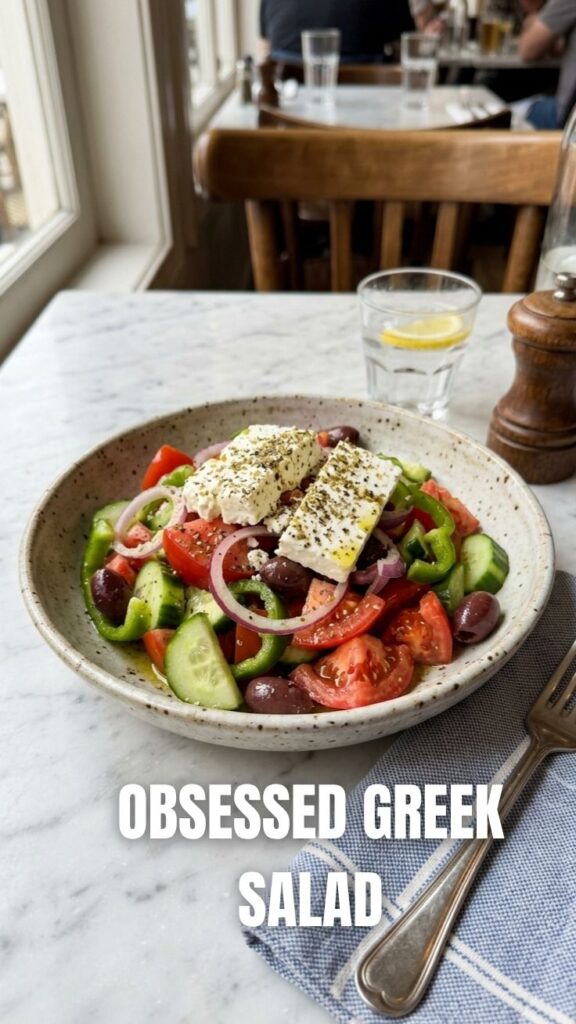
Mediterranean Freshness at Home: Why You Need a Perfect Greek Salad in Your Life
Have you ever wondered why a bowl of crisp vegetables, briny olives, and creamy feta can taste so much better when you make it yourself? The secret lies in balancing textures, using peak‑season produce, and understanding the role of quality olive oil. Preparing an authentic Greek Salad at home isn’t just about saving money — it gives you full control over every ingredient, from the ripeness of the tomatoes to the tang of the cheese. Whether you’re craving a light lunch or a vibrant side, mastering this classic dish is a game‑changer for any home cook.
—
Ingredients & Kitchen Tools
Essential Ingredients
– 6 large ripe Roma or vine tomatoes – Look for deep red color and slight give when squeezed; they provide the juicy base.
– 1 English cucumber – Its thin skin and low seed content keep the salad crisp without bitterness.
– 1 medium red onion – Thinly sliced, it adds bite; soak in cold water for 10 minutes if you prefer a milder flavor.
– 1 green bell pepper – Seeded and sliced into rings; choose firm, glossy peppers.
– 200g (7 oz) block of feta cheese – Authentic Greek feta from sheep or goat milk is best; avoid pre‑crumbled versions.
– ½ cup Kalamata olives – Their briny, fruity notes are irreplaceable; you can substitute with Castelvetrano if needed.
– 3 tbsp extra virgin olive oil – Use a robust, peppery oil for dressing; it should be the star.
– 1½ tbsp red wine vinegar – Adds acidity; lemon juice works in a pinch.
– 1 tsp dried oregano – Preferably Greek oregano; rub between your palms to release oils.
– Salt and black pepper – To taste; finish with flaky sea salt just before serving.
Kitchen Tools
– Large mixing bowl – Wide enough to toss without crushing the feta.
– Chef’s knife and cutting board – For uniform slices.
– Small bowl or jar – For whisking the dressing.
– Salad servers – Preferably wooden or silicone to avoid damaging the vegetables.
Optional Substitutions
– Dairy‑free – Replace feta with marinated tofu or vegan feta from cashews.
– Low‑carb – Omit the traditional bread accompaniments (pita); the salad itself is already low‑carb.
– Extra protein – Add grilled chicken, shrimp, or chickpeas (as in a Greek Salad Recipe variation).
—
Prep Time & Cooking Schedule
This salad requires minimal cooking — only chopping and assembling. Plan your timeline to allow flavors to meld.
| Stage | Time | Notes |
|——-|——|——-|
| Prep | 15 minutes | Wash and cut vegetables; slice onion; halve olives. |
| Dressing | 2 minutes | Whisk olive oil, vinegar, oregano, salt, and pepper. |
| Assembly | 5 minutes | Toss vegetables, add feta whole on top, drizzle dressing. |
| Resting | 10 minutes (optional) | Let the salad sit at room temperature so the flavors marry. |
Total active time: 22 minutes
Wait time: 10 minutes (if you can resist)
—
Step‑by‑Step Instructions
1. Prepare the vegetables – Cut the tomatoes into wedges (about 8 pieces per medium tomato). Slice the cucumber in half lengthwise, then cut into half‑moons about ½ inch thick. Thinly slice the red onion into rings, then separate the rings. Seed the green pepper and slice into rings about ¼ inch wide.
2. Combine in a bowl – Place all cut vegetables and olives in your large mixing bowl. Do not chop the feta yet — leaving it whole on top is the traditional Greek way.
3. Make the dressing – In a small bowl, whisk together the extra virgin olive oil, red wine vinegar, dried oregano, a pinch of salt, and a few cracks of black pepper. Taste and adjust acidity or saltiness. For a more robust Greek Salad, you can also add a minced garlic clove.
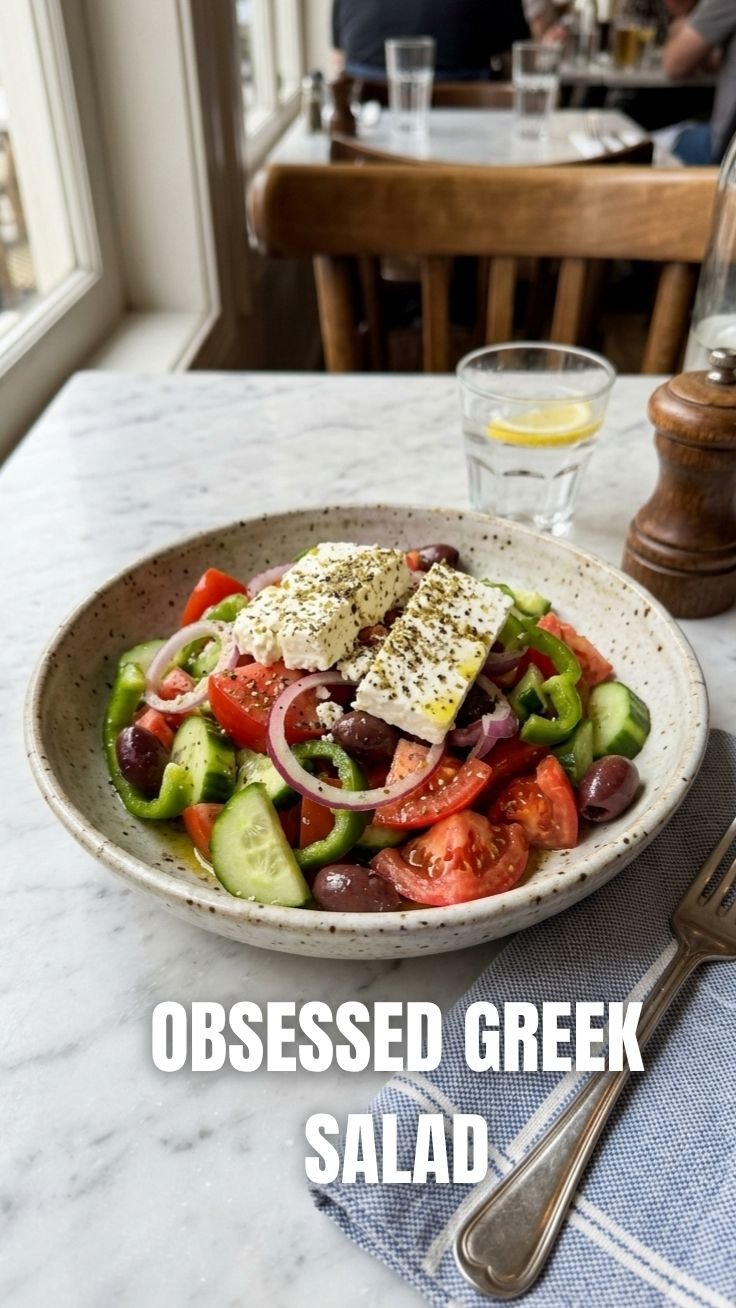
4. Dress and rest – Pour the dressing over the vegetables and toss gently with your hands or salad servers. Top with the block of feta (see photo above). Let the salad rest for 10 minutes — this step is crucial because the salt and acid draw out the tomato juices, creating a light, natural dressing.
5. Serve – Just before eating, break the feta into bite‑sized chunks over the top (or leave it whole if you prefer). Sprinkle with a final pinch of oregano and a drizzle of olive oil. Serve immediately with crusty bread or alongside grilled proteins.
> Tip for perfect texture: If you like your onion less pungent, soak the slices in ice water while you prep the other ingredients, then drain and pat dry.
—
Nutritional Benefits & Advantages
This vibrant salad is a powerhouse of nutrition:
– Tomatoes are rich in lycopene (an antioxidant that supports heart health) and vitamin C.
– Cucumber provides hydration and silica for skin elasticity.
– Olive oil supplies healthy monounsaturated fats and anti‑inflammatory polyphenols.
– Feta cheese delivers calcium and protein, while its probiotic content aids digestion.
– Olives contribute iron and vitamin E.
A single serving (about 1½ cups) contains roughly 250–300 calories, 18g of healthy fat, and only 8g net carbs — making it naturally gluten‑free and suitable for low‑carb or Mediterranean diets.
—
Tips, Variations & Cooking Advice
– Flavor twist: Add fresh mint or parsley for an herbaceous lift.
– Dairy‑free version: Crumble firm tofu marinated in lemon juice and nutritional yeast.
– Spicy kick: Toss in a pinch of red pepper flakes or a chopped fresh chili.
– Summer swap: Use yellow cherry tomatoes and Persian cucumbers for a milder, sweeter bite.
– Meal prep shortcut: Chop vegetables and store them separately; combine just before serving.
—
Common Mistakes to Avoid
– Soggy vegetables – Never salt the tomatoes ahead of time; this draws out water too quickly. Salt only in the dressing.
– Watery feta – Use block feta, not pre‑crumbled (it often contains anti‑caking agents that ruin texture).
– Oversalting – Olives and feta are already salty. Use a light hand with added salt.
– Skipping the rest – Those 10 minutes are essential for flavor development. Don’t rush it.
—
Storage & Meal Prep Tips
– Refrigeration: Store undressed salad (vegetables + olives) in an airtight container for up to 2 days. Keep feta separate. Add dressing just before serving.
– Freezing: Not recommended — the texture of fresh vegetables and feta will break down.
– Reheating: This is a cold salad; never microwave it. If you’ve dressed it, enjoy leftovers within 24 hours.
—
Conclusion
A well‑made Greek Salad is more than a simple side — it’s a celebration of fresh, honest ingredients that come together in minutes. By controlling the quality of your produce and using a bold olive oil, you elevate a humble dish into a star. Whether you stick to tradition or adapt it into a heartier Greek Salad Recipe with chickpeas, this recipe gives you a versatile, healthy base. Now it’s your turn: grab some ripe tomatoes, uncork that peppery olive oil, and taste the difference homemade makes. Share your creation in the comments — we’d love to see your twist!
—
FAQs
1. Can I use balsamic vinegar instead of red wine vinegar?
Yes, but it will darken the salad and add sweetness. Use 1 tablespoon balsamic + ½ tablespoon lemon juice to keep the tangy profile.
2. What if I can’t find Kalamata olives?
Substitute with any brined black olive (like Gaeta or Ligurian) or green olives for a milder flavor.
3. How do I prevent the onion from being too strong?
Slice the onion thinly, then soak in ice water for 10 minutes. Drain and pat dry before adding.
4. Can I make this salad a day ahead?
You can prep the vegetables and store them separately (without dressing) for up to 48 hours. Combine and dress right before serving.
5. My feta always crumbles into tiny pieces. How do I keep it intact?
Always add feta as a whole block on top of the dressed vegetables. Let guests break it themselves — this prevents over‑mixing and preserves its creamy texture.
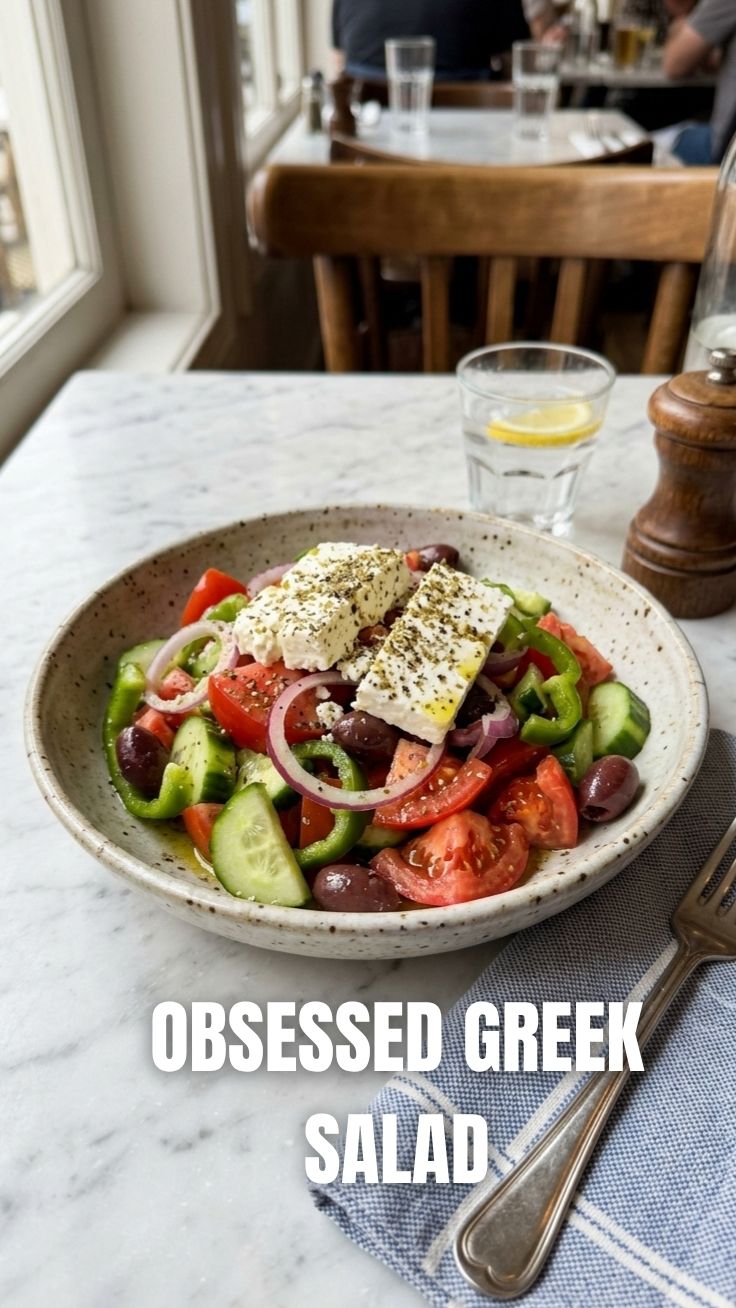
Best way to grow with a perfect Greek Salad
Ingredients
Equipment
Method
- Chop the tomatoes, slice the cucumber, thinly slice the red onion, and slice the bell pepper.
- In a large bowl, combine the chopped tomatoes, sliced cucumber, red onion, bell pepper, and Kalamata olives.
- Crumble or cube the feta cheese and add it to the bowl with the vegetables.
- In a small bowl, whisk together the extra virgin olive oil, red wine vinegar, dried oregano, salt, and black pepper.
- Pour the dressing over the salad ingredients and toss gently to combine; serve immediately.


