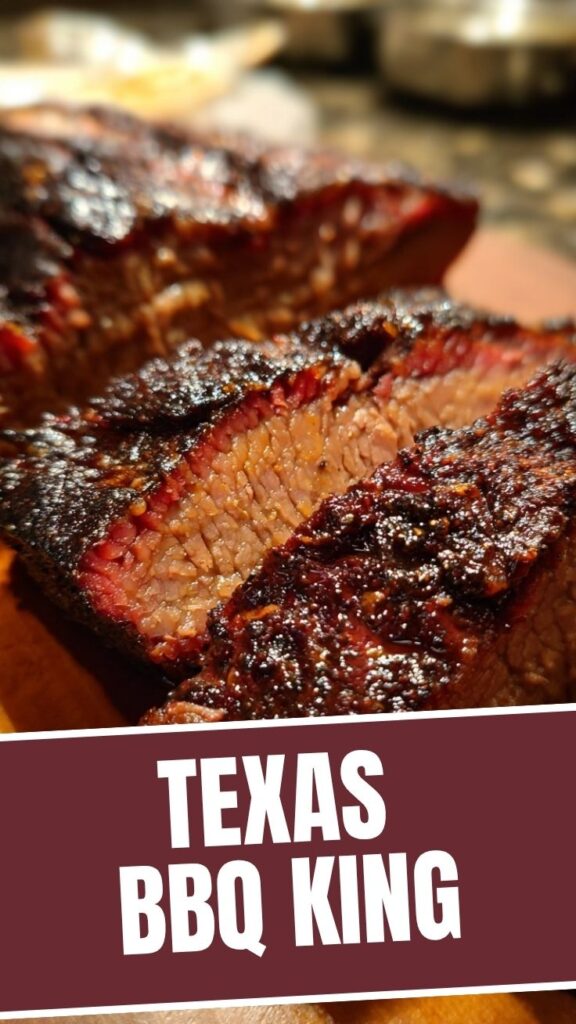
How to Make Perfect Texas BBQ Brisket at Home
Ever wondered how to achieve that mouth-watering, fall-apart tender [BBQ Brisket (Texas Style)](https://homecookedrecipe.com/bbq-chicken-wings-2/) in your own backyard? The secret to authentic Texas barbecue lies in patience, technique, and understanding the magic that happens when smoke meets meat. Creating the perfect [smoked brisket](https://rapidorecetas.com/korean-bbq-meatballs-with-spicy-mayo/) at home might seem intimidating, but with the right guidance, you’ll be serving up restaurant-quality barbecue that will impress even the most discerning Texas pit masters. Let’s dive into this iconic low-and-slow cooking method that transforms a tough cut into a tender, flavorful masterpiece.
Ingredients & Kitchen Tools
For the Brisket:
– 12-14 pound whole packer brisket (with point and flat intact)
– ¼ cup yellow mustard (helps rub adhere)
– ½ cup kosher salt (coarse texture works best)
– ½ cup fresh ground black pepper (16 mesh is ideal)
– 2 tablespoons garlic powder (optional)
– 2 tablespoons onion powder (optional)
Kitchen Tools:
– Smoker (offset, pellet, or kamado style)
– Digital meat thermometer with probe
– Butcher paper or aluminum foil
– Large cutting board
– Sharp knife for trimming and slicing
– Spray bottle (for apple cider vinegar/water mixture)
– Wood chunks or chips (oak or hickory preferred)
– Insulated cooler (for resting)
Prep Time & Cooking Schedule
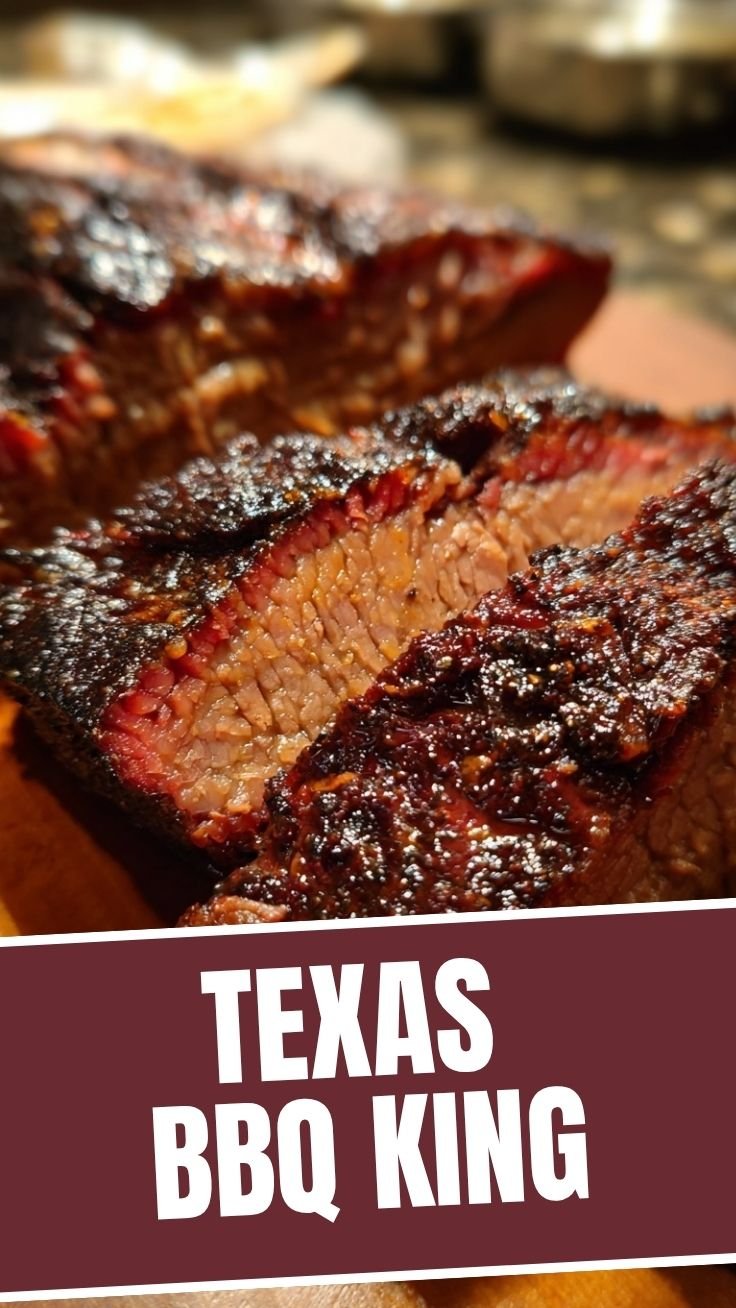
– Prep Time: 1 hour (trimming and seasoning)
– Cook Time: 12-16 hours (depending on size)
– Rest Time: 2-4 hours (critical for moisture retention)
– Total Time: 15-21 hours
Plan accordingly! Start your brisket the day before your intended serving time. Most pitmasters begin cooking late at night or very early morning for an evening meal. Remember that timing can vary based on the “stall” period and your specific smoker.
Step-by-Step Instructions
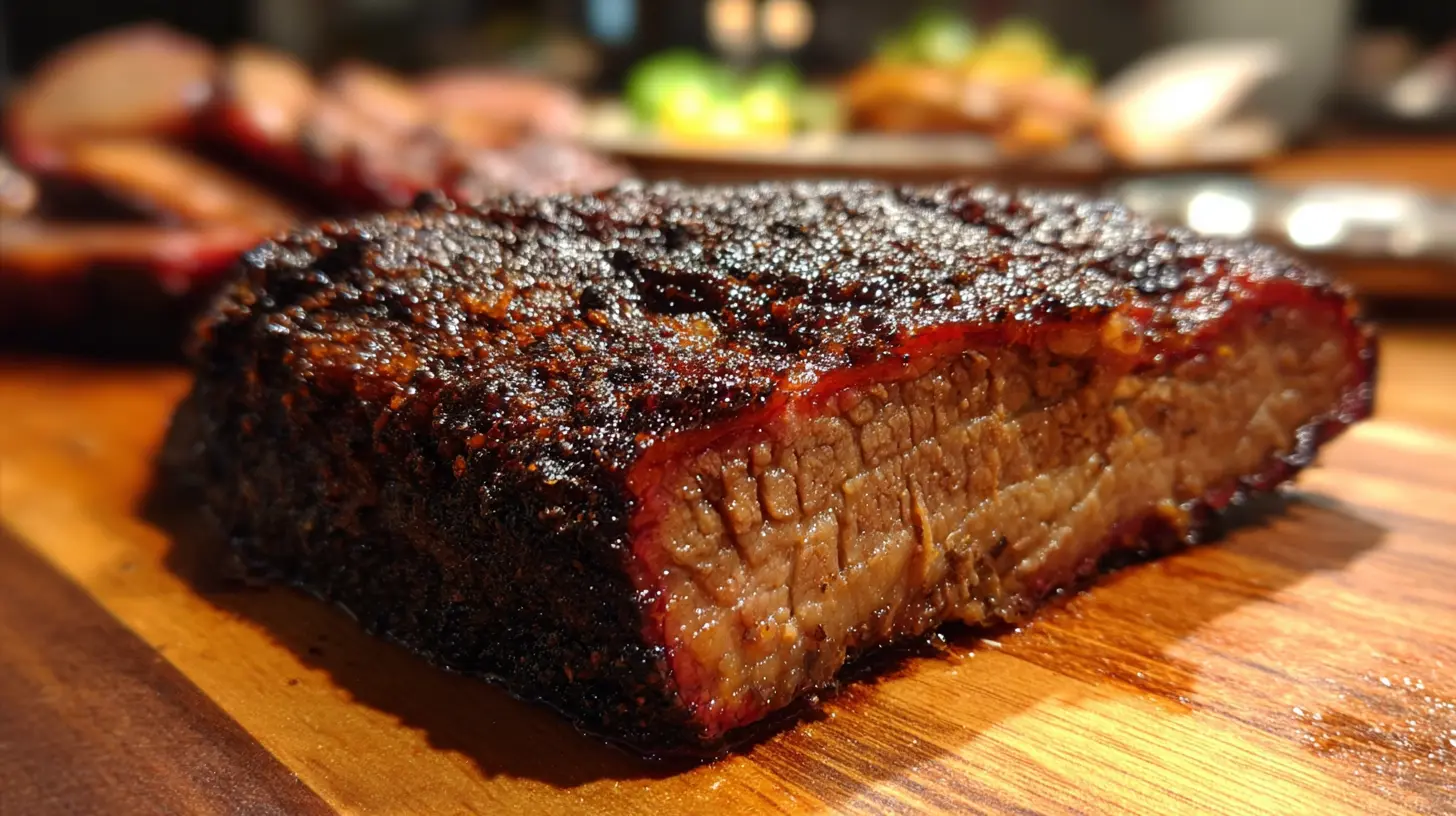
1. Trimming the Brisket:
– Remove from packaging and rinse with cold water
– Trim excess fat, leaving ¼ inch fat cap on one side
– Remove any silver skin or hard fat pieces that won’t render
2. Seasoning:
– Apply thin layer of yellow mustard over entire brisket
– Combine salt and pepper (and optional spices) for traditional Texas-style rub
– Apply rub generously to all sides of the meat
– Let sit for 30 minutes to 1 hour at room temperature
3. Preparing the Smoker:
– Heat smoker to 225-250°F (107-121°C)
– Add wood chunks/chips for clean blue smoke
– Maintain water pan for humidity if your smoker allows
4. The Smoking Process:
– Place BBQ Brisket (Texas Style) fat side up or down depending on heat source
– Insert temperature probe into thickest part of flat
– Smoke until internal temperature reaches 165°F (74°C), about 6-8 hours
– Spritz with 50/50 water and apple cider vinegar every hour after the first 3 hours
5. The Wrap Stage:
– When internal temperature hits 165°F or the bark is dark mahogany, wrap tightly in butcher paper or foil
– Return smoked brisket to smoker and continue cooking until internal temperature reaches 203-205°F (95-96°C)
– Test for tenderness by inserting probe—should feel like butter
6. Resting Phase:
– Remove from smoker and keep wrapped
– Place in insulated cooler with towels for 2-4 hours
– This critical step allows juices to redistribute
7. Slicing:
– Separate the point from flat along the fat seam
– Slice flat against the grain at pencil thickness
– Slice or chop point for burnt ends or serving
Nutritional Benefits & Advantages
Brisket offers several nutritional benefits when prepared properly:
– High-quality protein (approximately 28g per 3oz serving)
– Rich in B vitamins, particularly B12 for nerve function and energy
– Contains zinc and iron for immune function and oxygen transport
– When trimmed properly, can be a reasonable part of a balanced diet
– Long smoking at low temperatures helps render fat while preserving moisture
Tips, Variations & Cooking Advice
– Wood Selection: Oak is traditional in Texas, but hickory, pecan, or mesquite work well too.
– Temperature Control: Fluctuations are normal, aim for consistency within 25°F.
– Injection Option: For extra moisture, inject with beef broth before cooking.
– Seasoning Variations: Central Texas style is salt and pepper only, but experiment with garlic, chili powder, or coffee rubs.
– No Smoker Option: Use oven at 275°F with liquid smoke after initial searing.
– Brisket Selection: Look for good marbling and a flexible piece that bends easily.
Common Mistakes to Avoid
1. Rushing the Process: Don’t increase temperature to speed things up—low and slow is non-negotiable.
2. Skipping the Rest: Cutting immediately after cooking results in dry meat and lost juices.
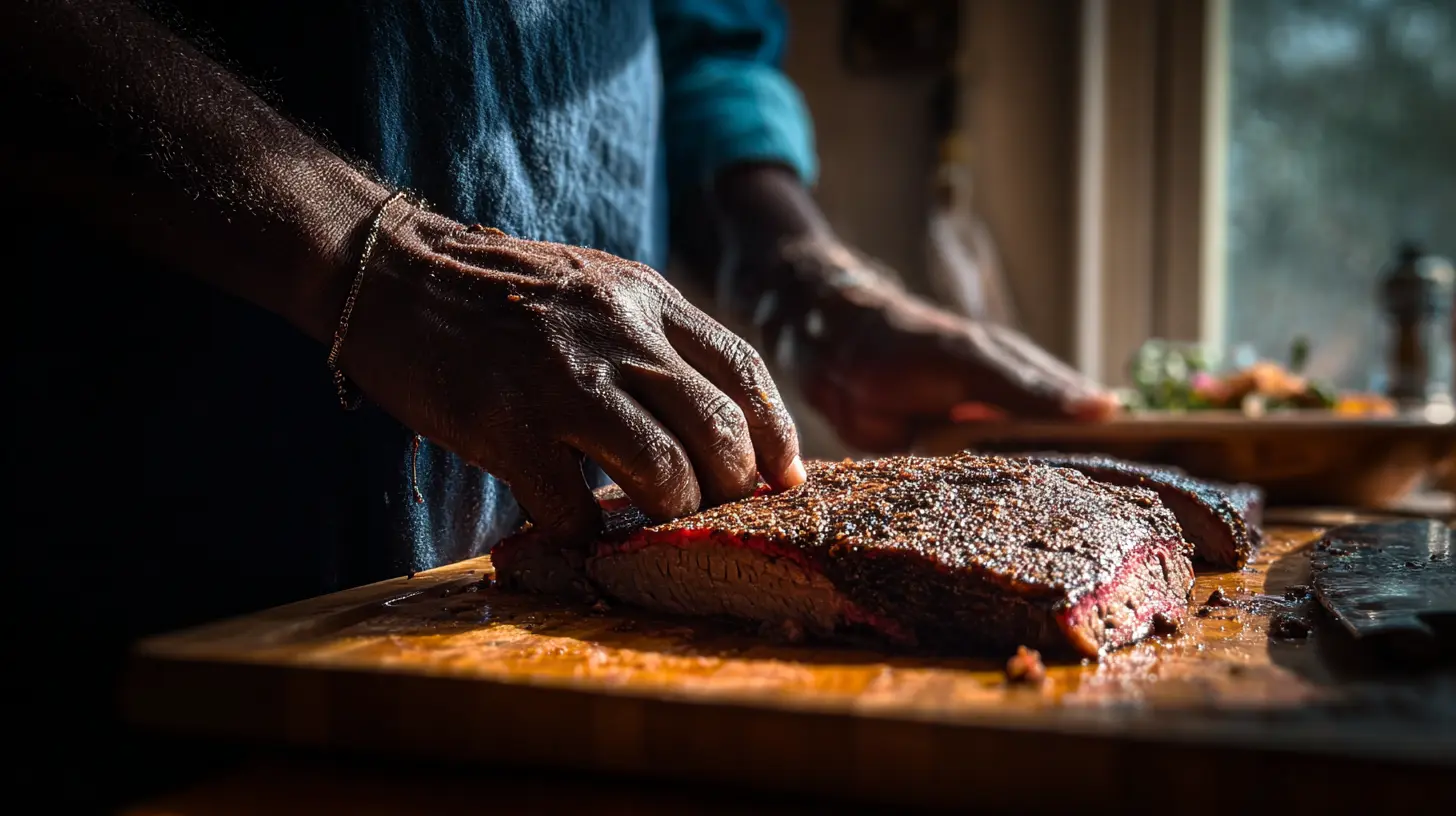
3. Incorrect Slicing: Always cut perpendicular to the grain to ensure tenderness.
4. Opening the Smoker Too Often: Each peek adds 15-20 minutes to your cook time.
5. Under-trimming: Leaving too much hard fat prevents proper smoke penetration and flavor development.
6. Not Planning for the Stall: Between 150-170°F, temperature will plateau for hours—this is normal!
Storage & Meal Prep Tips
– Refrigeration: Wrapped tightly, brisket keeps 3-4 days in the refrigerator.
– Freezing: Slice before freezing in vacuum-sealed portions for up to 3 months.
– Reheating: For best results, reheat slices in beef broth at 165°F or use sous vide at 150°F.
– Meal Prep: Pre-portion in vacuum bags with a tablespoon of cooking juices for perfect leftovers.
– Creative Leftovers: Use in tacos, hash, chili, or sandwiches throughout the week.
Conclusion
Mastering the art of [BBQ Brisket (Texas Style)](https://homecookedrecipe.com/bbq-chicken-wings-2/) takes practice, but the results are well worth the effort. The journey from tough cut to melt-in-your-mouth [smoked brisket](https://rapidorecetas.com/korean-bbq-meatballs-with-spicy-mayo/) is a true culinary achievement that connects you to generations of barbecue tradition. Remember that each brisket is unique, and learning to adapt to its individual characteristics is part of becoming a true pitmaster. So fire up your smoker, exercise patience, and prepare to create memories around one of America’s most beloved culinary treasures.
FAQs
Q: Can I use a gas or electric smoker for authentic Texas brisket?
A: Yes! While traditionalists prefer offset smokers with wood, you can achieve excellent results with any smoker that maintains consistent temperature and produces good smoke. Add wood chunks for authentic flavor.
Q: How do I know when my brisket is done without a thermometer?
A: The “probe test” is reliable—when a toothpick or temperature probe slides in with no resistance (like warm butter), it’s done. The flat should have some flex but not be floppy.
Q: My brisket turned out dry. What went wrong?
A: Common causes include cooking at too high temperature, not wrapping at the right time, insufficient fat, or not allowing adequate rest time. Ensure internal temperature reaches 203-205°F for proper fat rendering.
Q: Is trimming necessary? I’ve heard of people cooking brisket untrimmed.
A: Trimming improves smoke penetration, removes sections that won’t render properly, and creates a better final product. Minimal trimming is essential for best results.
Q: How do I get a good bark on my brisket?
A: Good bark comes from proper seasoning, maintaining consistent temperature, allowing adequate unwrapped smoke time (6-8 hours), and not spritzing too frequently. The dry surface developing is essential for bark formation.


