
Delicious Crock Pot Chicken Soup Recipe: Easy Comfort Food for Every Season
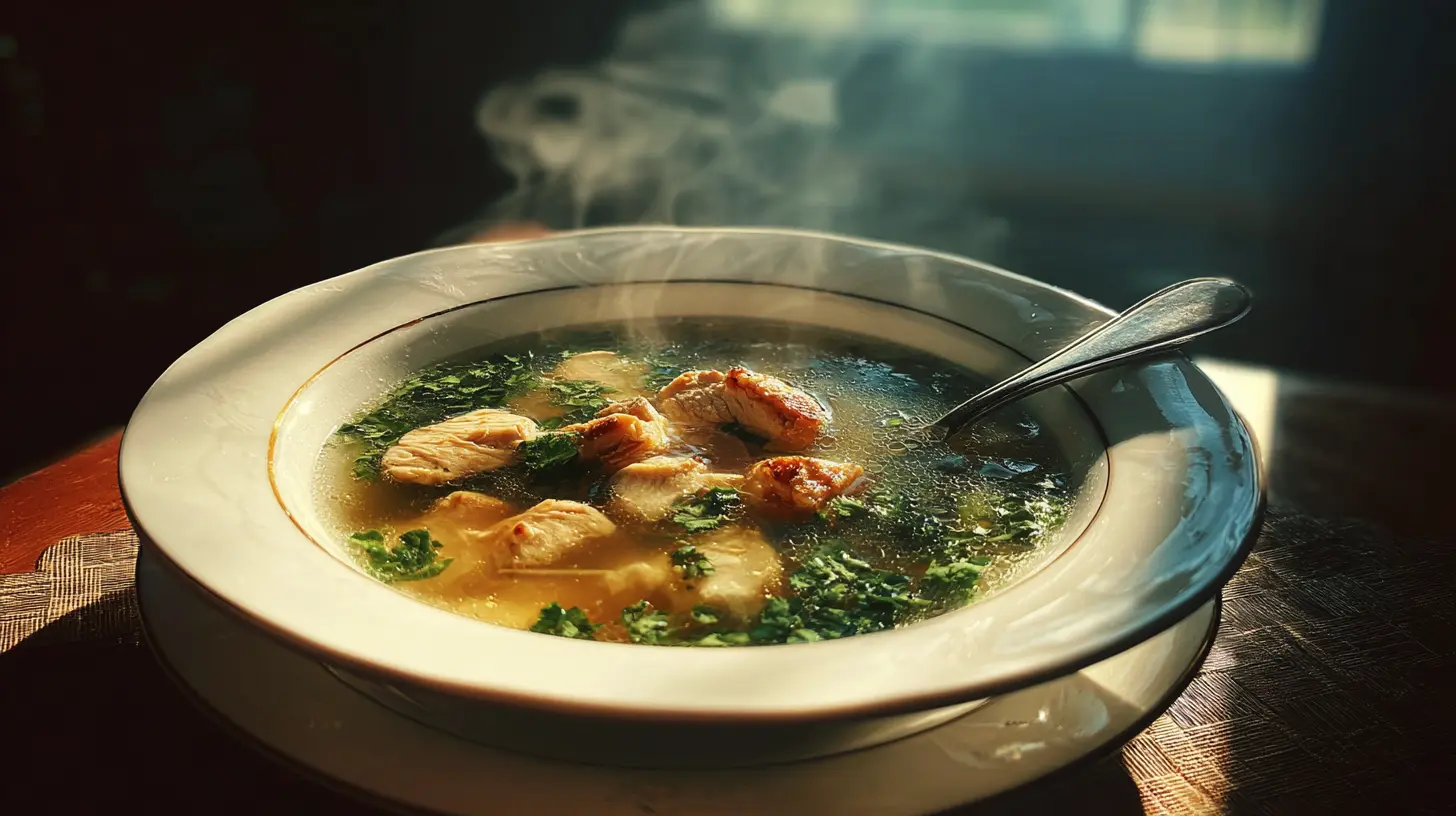
There’s something magical about a steaming bowl of Chicken Soup that instantly brings comfort and warmth to your home. Have you ever wondered how to create that perfect balance of tender chicken, flavorful broth, and fresh vegetables? This homemade chicken soup recipe uses a slow cooker to develop deep, rich flavors while requiring minimal hands-on time. The beauty of preparing this classic dish at home is that you control the ingredients, sodium levels, and can customize it to your family’s preferences.
Ingredients & Kitchen Tools
For the Soup:
– 1.5 pounds boneless, skinless chicken breasts (or thighs for more flavor)
– 1 large yellow onion, diced (about 1 cup)
– 3 carrots, peeled and sliced into rounds (about 1 cup)
– 3 celery stalks with leaves, chopped (about 1 cup)
– 3 garlic cloves, minced (or 1 tablespoon pre-minced)
– 2 bay leaves (remove before serving)
– 1 tablespoon fresh thyme (or 1 teaspoon dried)
– 1 tablespoon fresh rosemary, chopped (optional)
– 8 cups low-sodium chicken broth (homemade preferred)
– 1 cup egg noodles or rice (optional)
– 2 tablespoons fresh parsley, chopped
– Salt and freshly ground black pepper to taste
– 1 tablespoon olive oil
Kitchen Tools:
– 6-quart slow cooker/crock pot
– Sharp chef’s knife
– Cutting board
– Measuring cups and spoons
– Wooden spoon for stirring
– Ladle for serving
Prep Time & Cooking Schedule

– Prep Time: 15 minutes
– Cooking Time: 6-8 hours on low or 3-4 hours on high
– Total Time: 6-8 hours 15 minutes
– Servings: 6-8 bowls
This recipe is perfect for morning prep—set it before work and return to a ready dinner. Allow at least 15 minutes for vegetable chopping and initial setup.
Step-by-Step Instructions
1. Prepare vegetables: Dice the onion, slice carrots, chop celery, and mince garlic.
2. Layer ingredients: Place chicken breasts at the bottom of your crock pot. Add all vegetables, garlic, and herbs around and over the chicken.
3. Add broth: Pour chicken broth over everything, ensuring all ingredients are submerged. Season with 1 teaspoon salt and ½ teaspoon pepper.
4. Cook: Cover and set your Chicken Soup to cook on low for 6-8 hours or on high for 3-4 hours. The longer cooking time on low develops better flavors.
5. Shred chicken: About 30 minutes before serving, remove chicken and shred it using two forks. Return it to the pot.
6. Add optional noodles: If using noodles or rice, add them during the last 30 minutes of cooking (high setting).
7. Final touches: Just before serving this homemade chicken soup recipe, remove bay leaves, stir in fresh parsley, and adjust seasoning to taste.
Nutritional Benefits & Advantages
This nourishing soup offers multiple health benefits:
– Lean protein from chicken supports muscle health
– Vegetables provide essential vitamins and fiber
– The warm broth helps hydration and soothes sore throats
– Anti-inflammatory compounds in garlic and herbs
– Lower sodium than commercial soups
– Approximately 220 calories per serving (without noodles/rice)
Tips, Variations & Cooking Advice
– Protein variations: Use rotisserie chicken (add in last hour) or turkey instead
– Vegetable options: Add zucchini, spinach, kale, or corn
– Grain alternatives: Try barley, quinoa, or small pasta shapes
– Creamier version: Stir in ¼ cup heavy cream before serving
– Spice it up: Add red pepper flakes or a dash of hot sauce
– Time-saver: Pre-chop vegetables the night before and refrigerate
Common Mistakes to Avoid

1. Overcooking noodles: Add pasta or rice in the final 20-30 minutes only to prevent mushiness
2. Under-seasoning: Taste and adjust salt near the end of cooking, as flavors concentrate
3. Skipping fat skimming: For clearer broth, remove fat that rises to the surface
4. Cutting vegetables unevenly: Try to maintain consistent sizes for even cooking
5. Opening the lid too often: Each peek extends cooking time by 15-20 minutes
Storage & Meal Prep Tips
– Refrigeration: Store in airtight containers for 3-4 days
– Freezing: Freeze in individual portions for up to 3 months (freeze before adding noodles)
– Meal prep: Double the recipe and freeze half for future quick meals
– Reheating: Warm gently on stovetop, adding fresh herbs to revive flavor
– Thickening leftovers: Soup naturally thickens when refrigerated; add broth when reheating if needed
Conclusion
This crock pot Chicken Soup delivers maximum flavor with minimal effort, making it perfect for busy weeknights or weekend meal prep. The slow cooking process allows the ingredients to meld together beautifully, creating a hearty, satisfying dish that’s greater than the sum of its parts. Whether you’re fighting off a cold or simply craving comfort food, this homemade chicken soup recipe is sure to become a staple in your culinary repertoire. Try it this week and experience the joy of homemade soup that tastes like it’s been simmering all day—because it has!
FAQs
Can I use frozen chicken breasts in this recipe?
Yes, you can use frozen chicken, but add 1-2 hours to your cooking time and ensure the internal temperature reaches 165°F before shredding.
How can I make this soup thicker?
For a thicker consistency, blend 2 tablespoons of cornstarch with cold water and stir into the soup during the last 30 minutes of cooking, or blend 1 cup of the soup and return it to the pot.
Is this recipe gluten-free?
The base soup is gluten-free if you use certified gluten-free broth. Skip the regular noodles and use gluten-free pasta or rice instead.
Can I make this in an Instant Pot instead?
Absolutely! Use the sauté function for vegetables first, then add remaining ingredients and cook on high pressure for 15 minutes with a 10-minute natural release.
How do I adjust the salt level if using regular (not low-sodium) broth?
If using regular broth, omit the added salt initially and taste after cooking before adding any additional seasoning.

Quick Way to Grow 3 Chicken Soup Herbs
Ingredients
Equipment
Method
- Choose separate small pots equipped with drainage holes for each herb to prevent waterlogging. Fill each pot with good quality potting soil, leaving about an inch of space from the rim.
- Plant the parsley, thyme, and rosemary seeds or starter plants according to package instructions, which usually involves placing seeds sparsely on the soil surface or transplanting starters into a dug hole. Gently cover seeds with a thin layer of soil and press down lightly, or firm the soil around your starters.
- Water the newly planted herbs thoroughly using a watering can with a gentle shower or a spray bottle to avoid disturbing the seeds or fragile roots. Ensure the soil is moist but not waterlogged.
- Place your herb pots in a location that receives ample sunlight, ideally 6-8 hours daily, such as a sunny windowsill or a well-lit balcony. Maintain consistent soil moisture, watering when the top inch of soil feels dry, and consider adding a slow-release organic fertilizer every 2-3 months.
- Begin harvesting when the plants are established and have sufficient foliage, typically by snipping off the outer leaves or sprigs. Regular harvesting promotes bushier growth and a more abundant yield for your chicken soup and other culinary uses.