
How to Make the Ultimate Bread Bowl Recipe for Hearty Soups and Stews
Have you ever wondered how to elevate your soup experience with a delicious edible vessel? Making homemade bread bowls transforms an ordinary meal into something extraordinary! Whether you’re planning to serve a creamy Clam Chowder (New England) or a rich seafood stew, these crusty bread containers add both presentation value and delightful texture contrasts. Let’s dive into crafting these perfect bread bowls that will impress your family and friends while satisfying your culinary creativity.
Ingredients & Kitchen Tools
For the Bread Bowls:
– 4 cups bread flour (high-protein flour creates better structure)
– 2¼ teaspoons active dry yeast (one standard packet)
– 2 teaspoons salt (kosher salt preferred for better flavor distribution)
– 2 tablespoons olive oil (extra virgin adds more flavor)
– 1½ cups warm water (105-110°F, too hot will kill the yeast)
– 1 tablespoon sugar (feeds the yeast for better rising)
– 1 egg white (for brushing tops before baking)
– Optional: 1 tablespoon cornmeal (for dusting baking sheet)
Kitchen Tools:
– Stand mixer with dough hook (or large mixing bowl if kneading by hand)
– Baking sheet or stone
– Parchment paper
– Sharp knife or bread lame (for scoring)
– Pastry brush
– Cooking thermometer (to check water temperature)
– Kitchen scale (for precise measuring)
– Serrated knife (for hollowing out bowls)
Prep Time & Cooking Schedule
– Prep time: 30 minutes
– First rise: 1-1.5 hours
– Shaping: 15 minutes
– Second rise: 30-45 minutes
– Baking time: 25-30 minutes
– Cooling time: 30 minutes
– Total time: Approximately 3.5 hours
Start this recipe in the morning for lunch or around noon for dinner service. Most of the time is hands-off rising, perfect for multitasking other meal preparations.
Step-by-Step Instructions
1. Activate the yeast: In a small bowl, combine warm water (105-110°F), sugar, and yeast. Let sit for 5-10 minutes until foamy.
2. Form the dough: In a stand mixer bowl, combine flour and salt. With the mixer on low, pour in the yeast mixture and olive oil. Mix with the dough hook for 5-7 minutes until smooth and elastic. The dough should pull away from the sides but still be slightly tacky.
3. First rise: Place dough in an oiled bowl, cover with plastic wrap or a damp towel, and let rise in a warm place until doubled in size (about 1-1.5 hours).
4. Shape the bowls: Punch down the dough and divide into 4 equal portions. Shape each into a tight ball by pulling the edges toward the bottom and pinching to seal.
5. Second rise: Place the dough balls on a parchment-lined baking sheet dusted with cornmeal, leaving 3-4 inches between each. Cover loosely and let rise for 30-45 minutes.
6. Prepare for baking: Preheat oven to 425°F. Brush each loaf with egg white and score the tops with a sharp knife to allow expansion.
7. Bake: Place a small oven-safe dish with water on the bottom rack (creates steam for better crust). Bake bread bowls for 25-30 minutes until deeply golden and hollow-sounding when tapped on the bottom.
8. Hollow out bowls: Once cooled, cut a circle in the top of each bread bowl and carefully remove the interior, leaving a ½-inch wall around the sides and bottom.
These sturdy bread bowls are perfect for holding a hearty Clam Chowder (New England) or a rich seafood stew without becoming soggy too quickly.
Nutritional Benefits & Advantages
These homemade bread bowls provide complex carbohydrates for sustained energy. When paired with protein-rich soups or stews, they create a balanced meal. The lack of preservatives and artificial ingredients found in store-bought versions makes these a healthier choice. Additionally, you can modify the recipe using whole wheat flour for added fiber and nutrients.
Tips, Variations & Cooking Advice
– Whole wheat variation: Replace up to 50% of the bread flour with whole wheat for a nuttier flavor and increased fiber.
– Herb-infused bowls: Add 2 tablespoons of fresh herbs (rosemary, thyme, or dill) to the dough for complementary flavors.
– Mini bread bowls: Divide the dough into 6-8 portions for appetizer-sized servings.
– Sourdough version: Use 1 cup of active sourdough starter and reduce water to 1 cup for tangy flavor.
– Gluten-free option: Substitute a high-quality gluten-free flour blend and add 1 teaspoon of xanthan gum.
Common Mistakes to Avoid
1. Water too hot: Temperatures above 115°F will kill yeast. Use a thermometer to ensure proper temperature.
2. Insufficient kneading: Underkneaded dough won’t develop enough gluten, resulting in dense bowls that collapse.
3. Cutting bowls too soon: Allow bread to cool for at least 30 minutes before hollowing out to prevent squishing.
4. Hollowing too much: Leave enough thickness to support the soup without leaking.
5. Skipping the steam: Omitting water in the oven results in a softer crust that won’t hold soup well.
Storage & Meal Prep Tips
– Fresh bread bowls: Best used within 24 hours of baking.
– Short-term storage: Keep in a paper bag at room temperature for up to 2 days.
– Freezing: Once completely cooled, freeze whole (unhollowed) bread bowls in airtight bags for up to 1 month.
– Reheating: Thaw frozen bowls at room temperature, then warm in a 350°F oven for 5-10 minutes before hollowing.
– Bread crumb usage: Don’t waste the removed bread centers – make croutons, breadcrumbs, or bread pudding.
Conclusion
Mastering these homemade bread bowls opens up endless possibilities for serving your favorite soups and stews. The crispy exterior and soft interior create the perfect contrast to complement a creamy Clam Chowder (New England) or hearty seafood stew. Beyond their practical purpose, these edible vessels elevate your presentation and reduce cleanup. Give this recipe a try during your next soup night, and watch as a simple meal transforms into a memorable dining experience!
FAQs
Can I make the dough ahead of time?
Yes! You can refrigerate the dough after the first rise for up to 24 hours. Allow it to come to room temperature before shaping into bowls.
What’s the best size to make bread bowls?
For main course servings, 6-7 inch diameter bowls (about 8 oz of dough each) work perfectly. Adjust the size based on your serving needs.
Can I use all-purpose flour instead of bread flour?
Yes, though the bowls may be slightly less sturdy. If using all-purpose flour, knead the dough a few minutes longer to develop more structure.
Why did my bread bowls collapse when filled?
This usually happens when the walls are too thin or the bread is undercooked. Ensure proper baking time and leave at least ½-inch thickness when hollowing.
What soups work best in bread bowls?
Thicker soups and stews work best as they’re less likely to soak through quickly. Chowders, bisques, chili, and hearty stews are ideal choices.
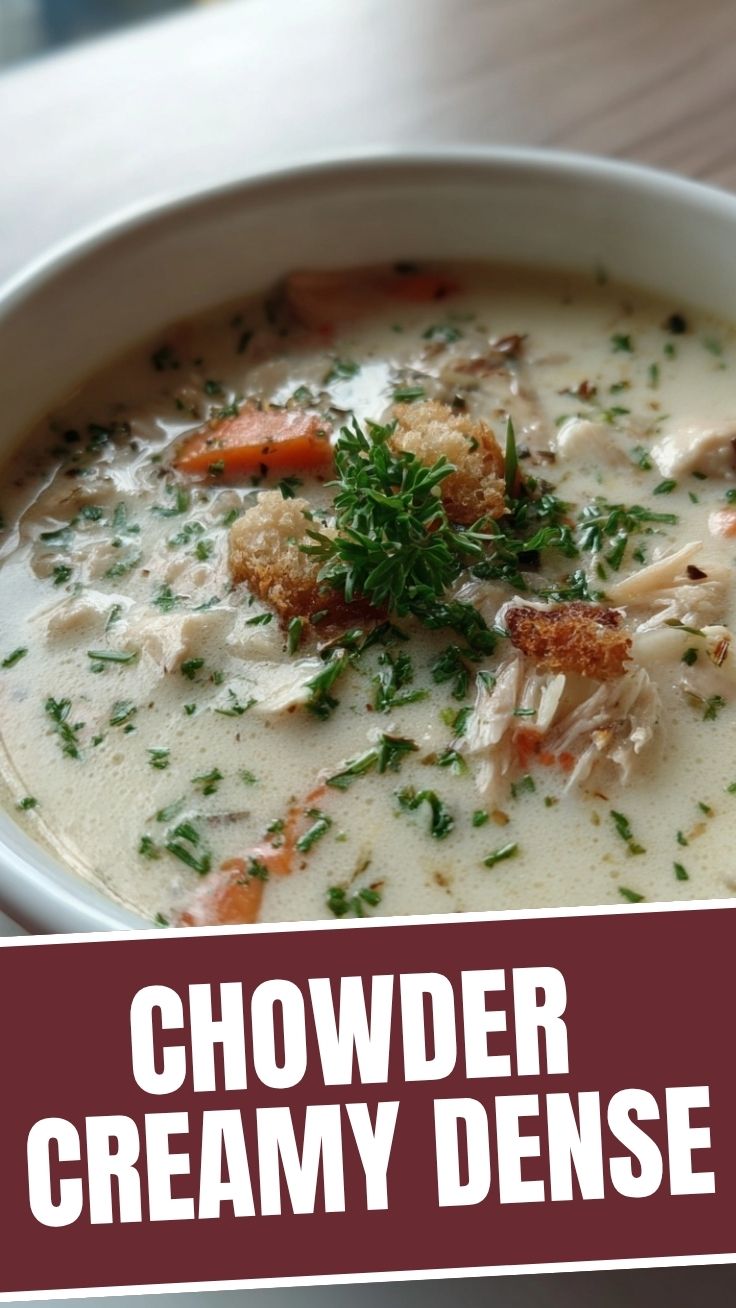
Quick way to grow classic Clam Chowder (New England)
Ingredients
Equipment
Method
- Drain the clams, reserving the clam juice. Chop the clams if using whole.
- Dice the potatoes, onion, and celery.
- Melt butter in a large pot over medium heat. Sauté the onion and celery until softened, about 5 minutes.
- Stir in the flour and cook for 1 minute.
- Gradually whisk in the reserved clam juice and milk, stirring constantly until thickened.
- Add the diced potatoes, bay leaf, thyme, and cook until potatoes are tender, about 10-15 minutes.
- Stir in the chopped clams, heavy cream, and season with salt and pepper to taste.
- Heat through for a few minutes; do not boil.
- Serve hot, garnished with fresh parsley or crumbled bacon if desired.


