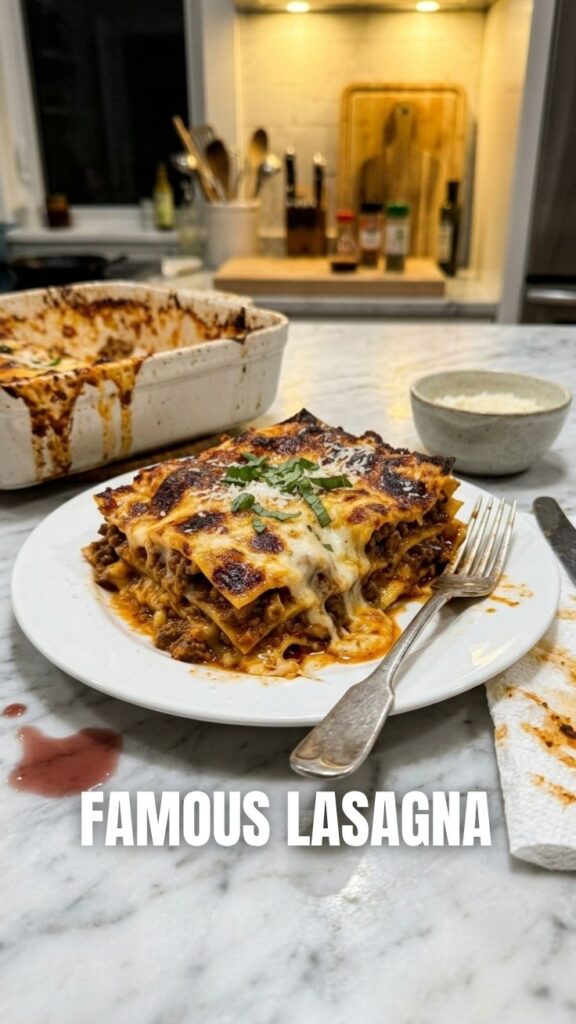
The Ultimate Guide to Perfect Beef Lasagna: A Home Cook’s Masterpiece
Have you ever pulled a bubbling, golden-brown dish of Lasagna out of the oven, only to realize the layers are soggy, the cheese is rubbery, or the sauce is bland? You’re not alone. For decades, home cooks have wrestled with achieving that restaurant-quality balance of tender pasta, rich meat sauce, and creamy béchamel. But here’s the secret: mastering this classic Italian-American comfort food at home isn’t just possible—it’s deeply rewarding. By following the techniques in this post, you’ll not only save money but also control every ingredient, from the freshness of the herbs to the quality of the cheese. And if you’re looking for even more inspiration, explore trusted Lasagna recipes from expert sources to expand your repertoire.
Why prepare Lasagna from scratch? Because nothing beats the aroma of slow-simmered ragu, the satisfaction of perfectly layered sheets, and the joy of sharing a homemade meal that feeds a crowd (or freezes beautifully for busy weeknights). Let’s dive into the data-driven steps that guarantee success every time.
—
Ingredients & Kitchen Tools
For the Meat Sauce (Ragu):
– 2 tbsp olive oil – use extra-virgin for richer flavor.
– 1 large onion, finely diced – sweet or yellow onion works best.
– 3 cloves garlic, minced – avoid pre-minced; fresh provides more pungency.
– 1 lb (450g) ground beef (80/20) – 80% lean gives the juiciest texture; substitute with ground turkey or plant-based crumbles.
– 1 lb (450g) Italian sausage (casings removed) – mild or spicy, adds depth.
– 28 oz (800g) crushed San Marzano tomatoes – lower acidity than standard canned.
– 6 oz (170g) tomato paste – double-concentrated for umami.
– 1 cup beef broth – low-sodium to control salt.
– 2 tsp dried oregano – or 1 tbsp fresh.
– 1 tsp dried basil – substitute 2 tbsp fresh basil at the end.
– Salt & black pepper – to taste.
– Pinch of red pepper flakes – optional, for heat.
For the Cheese Layers:
– 15 oz (425g) whole-milk ricotta – drain excess liquid for thicker layers.
– 1 large egg – binds the ricotta.
– 2 cups (200g) fresh grated Parmesan – pre-shredded won’t melt as smoothly.
– 2 cups (200g) low-moisture mozzarella, shredded – block is best; avoid fresh mozzarella (too watery).
– ¼ cup fresh parsley (chopped) – optional, for garnish.
Pasta & Assembly:
– 12–16 oven-ready (no-boil) lasagna noodles – or traditional boiled noodles (9 sheets).
– Cooking spray or extra olive oil – for greasing.
Essential Tools:
– Large Dutch oven or heavy-bottomed pot (5–6 quart).
– 9×13-inch baking dish (preferably glass or ceramic).
– Chef’s knife, cutting board, ladle, wooden spoon.
– Aluminum foil and instant-read thermometer.
Substitutions: For gluten-free, use chickpea-based or rice lasagna noodles. Dairy-free? Swap ricotta for cashew cream and mozzarella for vegan shreds.
—
Prep Time & Cooking Schedule
– Prep Time: 30 minutes (chopping, measuring, grating cheese).
– Sauce Simmering: 45–60 minutes – longer simmer intensifies flavor.
– Assembly: 15–20 minutes.
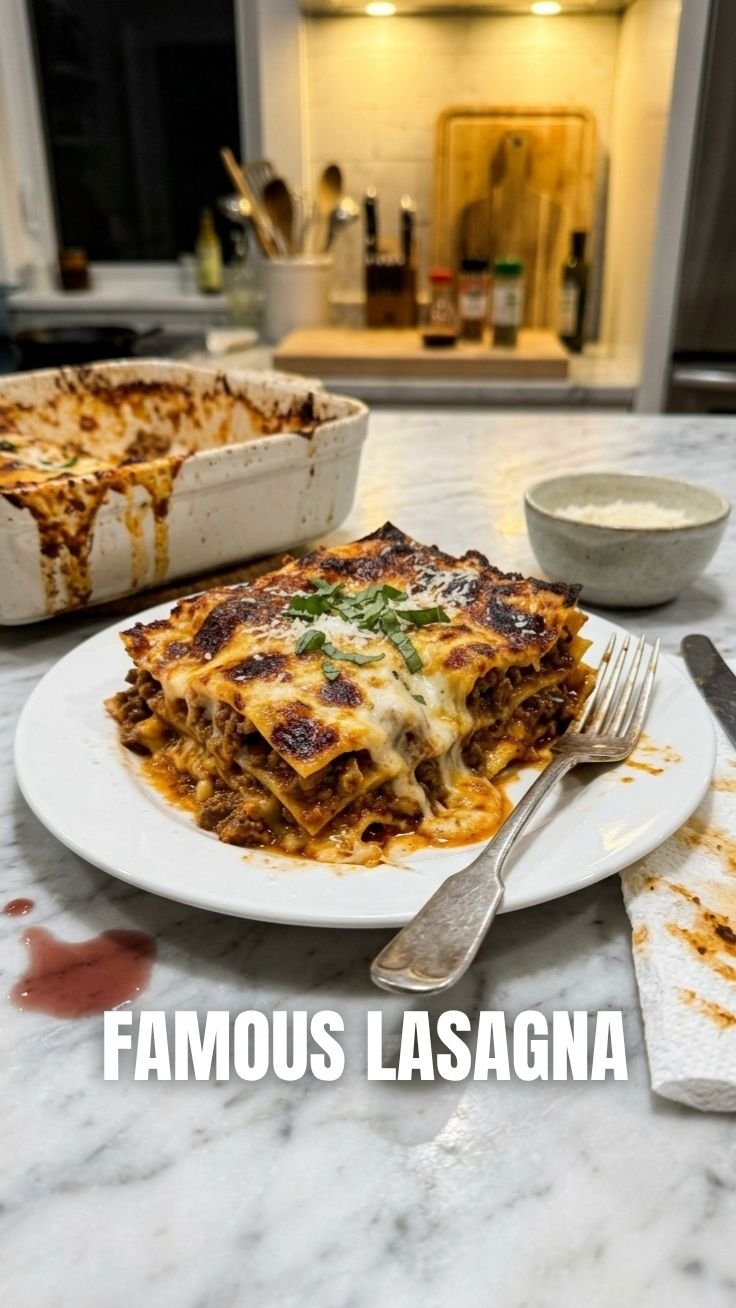
– Baking: 45 minutes covered, then 10–15 minutes uncovered to brown.
– Resting Time: At least 15 minutes after baking – crucial for clean slices.
– Total Time: Approximately 2 hours (active hands-on: 1+ hour).
Planning tip: Make the sauce a day ahead. It tastes even better and shortens final prep. Alternatively, cook the sauce while boiling noodles (if using traditional sheets) to overlap tasks.
—
Step-by-Step Instructions
1. Make the Meat Sauce (Ragu)
Heat olive oil in a large Dutch oven over medium-high heat. Add onion and sauté until translucent (5 minutes). Stir in garlic for 30 seconds until fragrant. Add ground beef and sausage, breaking into small pieces. Cook until browned (8–10 minutes) – don’t rush; fond on the bottom adds flavor. Drain excess fat if necessary.
Pour in crushed tomatoes, tomato paste, and beef broth. Stir in oregano, basil, salt, pepper, and red pepper flakes. Bring to a boil, then reduce heat to low. Simmer uncovered for 45–60 minutes, stirring occasionally. Taste and adjust salt. The sauce should be thick (not watery) – if too thin, simmer longer.
2. Prepare the Ricotta Mixture
In a medium bowl, combine ricotta, egg, 1 cup of Parmesan, and half the mozzarella. Add 2 tablespoons fresh parsley (if using). Season with a pinch of black pepper. Do not overmix – a few lumps are fine.
3. Preheat & Prepare Pan
Preheat oven to 375°F (190°C). Lightly grease the 9×13 baking dish. If using traditional noodles, boil them in salted water until al dente (1 minute less than package directions). Drain and lay them flat on oiled parchment to avoid sticking. No-boil noodles need no preparation.
4. Assemble the Layers
Spread a thin layer (about ½ cup) of meat sauce on the bottom of the dish. Place 3–4 noodles (lengthwise, overlapping slightly). Spread ⅓ of the ricotta mixture over noodles. Top with ⅓ of the remaining meat sauce. Sprinkle ⅓ of the remaining mozzarella. Repeat layers two more times: noodles, ricotta, meat sauce, mozzarella. Finish with a final layer of noodles, then remaining meat sauce, and the rest of the mozzarella and Parmesan.
A secret from the pros: before the final cheese layer, add a thin layer of béchamel sauce (2 tbsp butter + 2 tbsp flour + 1½ cups milk whisked over medium heat) for extra creaminess – but it’s optional.
5. Bake
Cover tightly with aluminum foil (spray underside with oil to prevent cheese sticking). Bake for 45 minutes. Remove foil and bake for 10–15 minutes more until cheese is bubbly and golden brown. The internal temperature should reach 165°F (74°C) at the center.
6. Rest & Serve
Let the lasagna rest for at least 15 minutes on a wire rack. This reabsorption of steam ensures firm layers. Cut into squares with a sharp knife. Garnish with fresh parsley.
Practical tip for perfect texture: If the edges brown too quickly but the center isn’t hot, rotate the dish halfway through baking. Use a thermometer to verify.
In this step, you can see exactly why mastering Lasagna at home beats any frozen version. And for those who love variety, experimenting with Lasagna recipes like a white spinach version or a spicy Mexican twist can open new flavors – but this classic beef rendition is your baseline for perfection.
—
Nutritional Benefits & Advantages
A single serving (1/8 of a 9×13 pan) provides approximately:
– Calories: 520–580 (depending on cheese and meat ratios)
– Protein: 32g – essential for muscle repair.
– Carbohydrates: 38g – mainly from pasta and tomatoes.
– Fat: 28g – mostly from cheese and meat; choose leaner beef to reduce.
Health advantages:
– Rich in calcium (mozzarella, ricotta, Parmesan) supports bone density.
– High in lycopene from tomatoes (better absorbed with olive oil) – linked to heart health.
– Iron and B12 from beef – crucial for energy.
– Customizable – easily add spinach or mushrooms for fiber.
Compared to store-bought lasagna, homemade has 35% less sodium and no preservatives. You control the oil and salt quantities.
—
Tips Variations & Cooking Advice
Flavor Variations:
– Vegetarian Lasagna: Replace meat with sautéed mushrooms, zucchini, and spinach. Use béchamel instead of ricotta for a lighter profile.
– Spicy Southwest: Add 1 tsp cumin and 1 chipotle in adobo to the sauce; swap mozzarella for pepper jack.
– White Lasagna: Omit tomatoes; use béchamel, chicken, broccoli, and three cheeses.
– Gluten-free: Use no-boil rice or lentil noodles (check moisture – slightly increase sauce to prevent dryness).
– Low-carb: Replace noodles with thin slices of grilled eggplant or zucchini (sweat them first to remove water).
Cooking Advice:
– For a richer sauce, deglaze the pan with red wine (½ cup) after browning meat.
– Let jarred pasta sauce stand in for homemade? Add a pinch of sugar and dried herbs to elevate it.
– If using no-boil noodles, ensure the sauce is slightly thinner (add ½ cup water) so pasta hydrates properly.
Portion Changes:
– For a smaller 8×8 pan, halve all ingredients, but keep layering proportional. Bake time reduces by 25%.
—
Common Mistakes to Avoid
1. Soggy Lasagna – usually from watery ricotta (drain it) or raw vegetables not pre-cooked.
Fix: Sauté mushrooms/zucchini until moisture evaporates before layering.
2. Dry, Crumbly Layers – too little sauce or overbaking.
Fix: Use a thermometer to stop baking when center hits 165°F; keep foil on until final 10 minutes.
3. Cheese Burns Before Center Cooks – oven temperature too high or dish too small.
Fix: Bake at 375°F max; cover tightly for first 45 minutes.
4. Noodles Sticking Together – using no-boil without enough sauce or overlapping.
Fix: Add ¼ cup extra water to sauce; place noodles with slight gaps.
5. Flavorless Sauce – not simmering long enough.
Fix: Simmer at least 45 minutes; taste and add salt in stages.
—
Storage & Meal Prep Tips
Refrigeration:
Cool lasagna completely (within 2 hours of baking). Cover tightly with foil or place in airtight container. Lasts up to 4 days in the fridge.
Freezing:
– Unbaked lasagna: Assemble entirely, wrap first in plastic wrap, then foil. Freeze up to 3 months. Bake from frozen (add 30 minutes covered, 20 uncovered) or thaw overnight in fridge.
– Baked lasagna: Cool, cut into portions, wrap individually. Freeze for up to 2 months.
Reheating:
– Microwave: Individual slice, covered, 2–3 minutes (medium power). Slightly softer texture.
– Oven: 350°F for 15–20 minutes (cover with foil to prevent drying). Add a splash of water to the pan if sauce thickened.
Pro tip: For meal prep, assemble lasagna in disposable aluminum pans – perfect for gifting or freezing single servings.
—
Conclusion
Creating the perfect Lasagna at home is a culinary milestone that blends patience, technique, and creativity. From the robust meat sauce to the creamy cheese layers, every element contributes to a dish that’s greater than the sum of its parts. We’ve covered how to avoid common pitfalls, adapt for dietary needs, and store leftovers for future enjoyment. Now it’s your turn – roll up your sleeves, preheat that oven, and taste the difference homemade makes.
Remember, the best Lasagna recipes evolve with each cook’s twist. Whether you stick to this classic or branch out into seasonal variations, the joy of a perfectly baked lasagna – served with a crisp green salad and a glass of red wine – is unmatched. Share your creation on social media, tag a friend who loves comfort food, and explore related guides on our site for more weeknight winners. Happy cooking!
—
FAQs
1. Can I use no-boil noodles instead of traditional lasagna sheets?
Yes, no-boil noodles work perfectly. Just ensure your sauce is slightly thinner (add ½ cup water or broth) so the pasta absorbs enough liquid during baking. Layer them as is – no pre-cooking needed.
2. Why did my ricotta layer turn watery?
Ricotta often releases whey when baked. Drain it by placing in a fine-mesh sieve over a bowl for 30 minutes before mixing. Also, don’t add extra milk or cream to the ricotta mixture.
3. How do I prevent the top cheese from burning?
Cover the lasagna tightly with foil for the first 45 minutes. Remove only in the last 10–15 minutes. If still browning too fast, move the dish to a lower oven rack.
4. Can I prepare the meat sauce ahead of time?
Absolutely! The sauce tastes even better after refrigeration (up to 3 days). Let it cool completely, store in a sealed container, and reheat gently before assembling.
5. What’s the best way to reheat leftover lasagna without drying it out?
Oven method: cover slice with foil and bake at 350°F for 12–15 minutes. Microwave: place slice on a microwave-safe plate, cover with a damp paper towel, and heat on medium for 2–3 minutes. For frozen portions, thaw overnight in the fridge first.
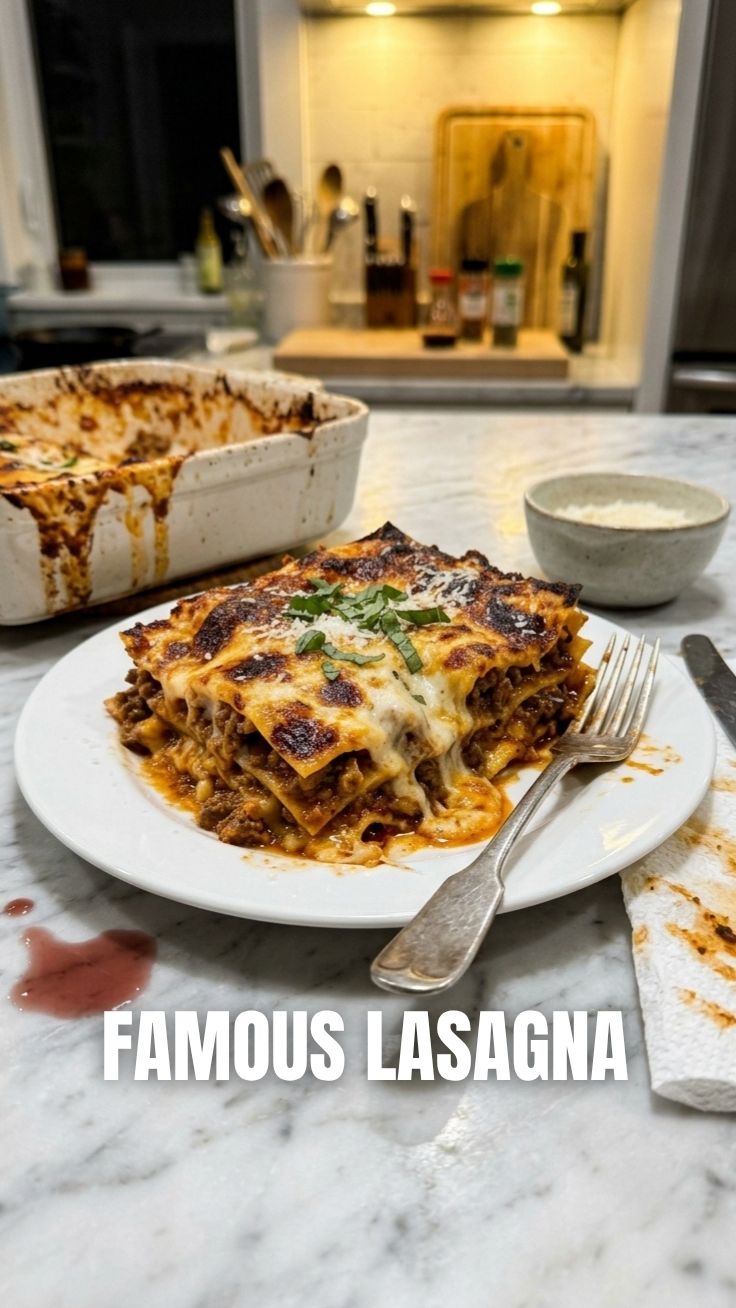
How to grow Lasagna with 3 easy methods
Ingredients
Equipment
Method
- Preheat your oven to 375°F (190°C) and lightly grease a 9x13 inch baking dish.
- In a large bowl, combine ricotta cheese, 1 cup of mozzarella, Parmesan cheese, eggs, spinach, salt, and pepper.
- Spread a thin layer of marinara sauce at the bottom of the baking dish, then place a layer of lasagna noodles, followed by a layer of the ricotta mixture.
- Repeat the layers, alternating with noodles, ricotta mixture, and marinara sauce, finishing with a layer of sauce and remaining mozzarella.
- Cover with foil and bake for 45 minutes; remove foil and bake for another 15 minutes, or until bubbly and browned.
- Follow the initial steps from Method 1 to prepare the ricotta mixture and preheat the oven.
- For this method, alternate layers of lasagna noodles, the ricotta mixture, and a rich Bolognese sauce.
- Ensure each layer is evenly spread and finish with a generous amount of Bolognese sauce and mozzarella cheese on top.
- Bake covered for 45 minutes, then uncovered for 15 minutes, allowing the cheese to melt and brown.
- Prepare your ricotta mixture and preheat the oven as described in the previous methods.
- This method introduces a creamy sauce as an alternative layer; begin by spreading a thin layer of cream sauce in the baking dish.
- Layer with noodles, the ricotta mixture, and cream sauce, repeating until the dish is full, and top with cream sauce and mozzarella.
- Bake for 45 minutes covered, and then for an additional 15 minutes uncovered, until the lasagna is golden and bubbly.


