The Ultimate Guide to Perfect Chicken Piccata: A Restaurant-Worthy Meal at Home
Have you ever wondered why the bright, tangy flavors of a classic lemon caper sauce feel so elegant yet elusive to recreate at home? The truth is, mastering this beloved dish is far simpler than you might imagine—and the payoff is extraordinary. When you prepare this recipe in your own kitchen, you gain complete control over ingredient quality, sodium levels, and cooking precision, all while saving a significant amount compared to dining out. This Chicken Piccata brings the essence of Italian recipes into your home with minimal fuss and maximum flavor. Mastering Chicken Piccata at home is not just about following steps—it’s about understanding the science behind that perfect golden crust and silky, emulsified sauce that makes Italian recipes so cherished worldwide.
Ingredients & Kitchen Tools
Essential Ingredients
– 4 boneless, skinless chicken breasts – Pound to even ½-inch thickness for consistent cooking
– ½ cup all-purpose flour – For dredging; creates that signature golden crust
– 2 tablespoons olive oil – Use extra virgin for richer flavor
– 2 tablespoons unsalted butter – Adds richness and aids in sauce emulsification
– ½ cup dry white wine – Sauvignon Blanc or Pinot Grigio work beautifully
– ½ cup chicken broth – Low-sodium preferred to control salt levels
– 3 tablespoons fresh lemon juice – Never use bottled; acidity is key here
– 2 tablespoons capers, drained – The briny punch that defines piccata
– 2 cloves garlic, minced – Fresh is non-negotiable for aroma
– Salt and black pepper – To taste
– 2 tablespoons fresh parsley, chopped – For garnish and freshness
Kitchen Tools Required
– Large skillet (12-inch stainless steel or non-stick)
– Meat mallet or rolling pin
– Shallow dish for flour dredging
– Tongs for flipping chicken
– Microplane or citrus juicer
– Chef’s knife and cutting board
Optional Substitutions
– Gluten-free flour blend for dredging
– Vegetable broth instead of chicken
– Lemon zest for extra citrus punch
– Capers can be replaced with green olives
Prep Time & Cooking Schedule
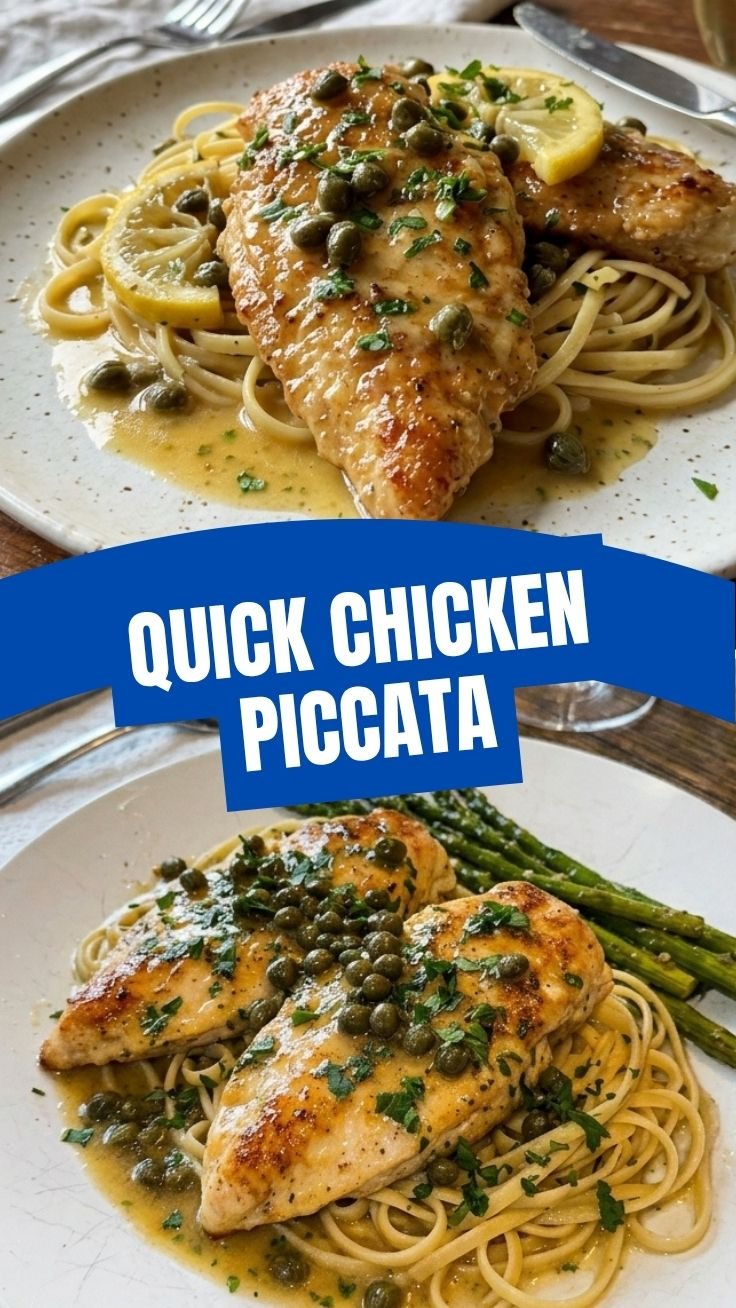
– Prep Time: 15 minutes (pounding, seasoning, dredging)
– Cook Time: 20 minutes (searing, building sauce, finishing)
– Total Time: 35 minutes from start to plate
– Resting Time: 5 minutes after cooking for juices to redistribute
Pro Planning Tip: Pound the chicken breasts while the flour is measured and the wine is opened. Have all ingredients prepped and within arm’s reach before turning on the heat—this dish comes together fast once the cooking begins.
Step-by-Step Instructions
1. Prepare the chicken: Place each breast between two sheets of plastic wrap and pound to ½-inch thickness. Season both sides generously with salt and pepper.
2. Dredge properly: Place flour in a shallow dish. Lightly coat each chicken piece, shaking off excess. A thin, even layer is your goal—thick clumps will burn in the pan.
3. Sear to golden perfection: Heat olive oil in your skillet over medium-high heat until shimmering. Add chicken pieces in a single layer (work in batches if needed). Cook 3–4 minutes per side until deep golden brown and cooked through (165°F internal temperature). Transfer to a plate and tent with foil.
4. Build the sauce base: Reduce heat to medium. Add butter to the pan. Once melted, add minced garlic and cook 30 seconds until fragrant—do not let it brown. The perfect Chicken Piccata depends on this aromatic foundation.
5. Deglaze and emulsify: Pour in white wine, scraping up browned bits with a wooden spoon. Let reduce by half (about 2 minutes). Add chicken broth, lemon juice, and capers. Simmer 3–4 minutes until slightly thickened.
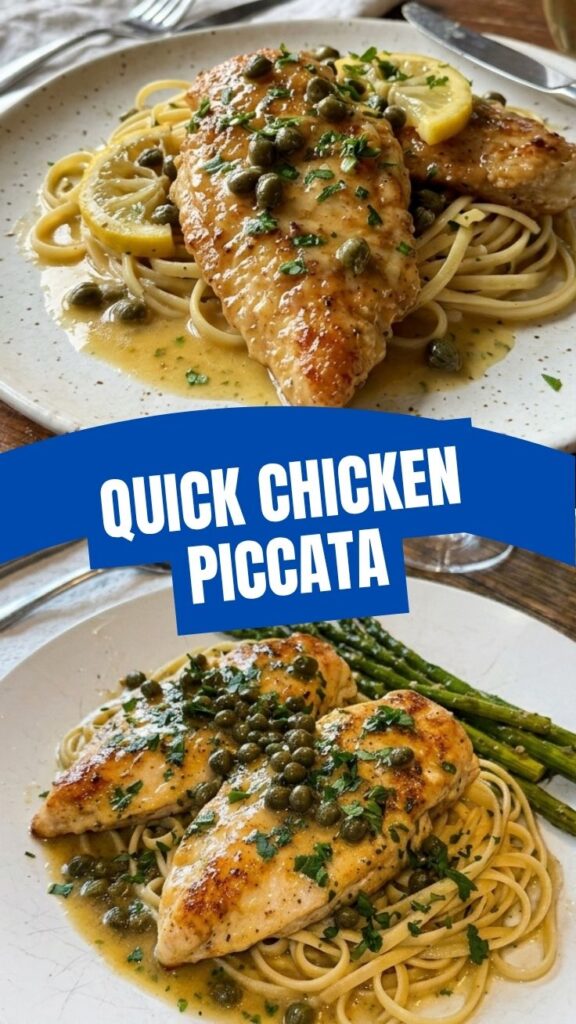
6. Finish and serve: Return chicken to the skillet, spooning sauce over each piece. Cook 1 minute to reheat. Garnish with fresh parsley. Serve immediately over pasta, rice, or with crusty bread. This dish, like traditional Italian recipes, celebrates simplicity done right.
Nutritional Benefits & Advantages
Chicken Piccata offers a surprisingly balanced nutritional profile when prepared correctly. A single serving provides approximately 320–380 calories, 35 grams of high-quality protein, and 18 grams of healthy fats primarily from olive oil and butter. The lemon juice delivers a significant dose of vitamin C (about 20% of daily needs), supporting immune function and collagen production. Capers contribute antioxidants and anti-inflammatory compounds, while the garlic provides allicin, known for cardiovascular benefits.
Compared to cream-based sauces, this lemon-caper preparation keeps saturated fat moderate while delivering intense flavor. The protein-packed chicken supports muscle maintenance and satiety, making this a satisfying meal that doesn’t weigh you down.
Tips Variations & Cooking Advice
Flavor Variations
– Herb-infused: Add fresh thyme or rosemary sprigs to the sauce
– Spicy twist: Include red pepper flakes with the garlic
– Mushroom piccata: Sauté sliced cremini mushrooms before deglazing
Dietary Adaptations
– Gluten-free: Use almond flour or gluten-free all-purpose blend for dredging
– Dairy-free: Replace butter with additional olive oil or dairy-free butter
– Low-sodium: Use unsalted broth, rinse capers, and skip added salt until tasting
Cooking Advice
– Pat chicken completely dry before seasoning to ensure proper browning
– Don’t crowd the pan—overcrowding lowers temperature and steams the chicken
– Swirl in an extra tablespoon of cold butter at the end for a restaurant-quality glossy sauce
Common Mistakes to Avoid
– Pounding unevenly: Thick edges cook slower than thin centers, leading to dry meat. Always aim for uniform ½-inch thickness.
– Overcooking the chicken: The 165°F internal temperature is your target. Use an instant-read thermometer for precision.
– Skipping the deglaze: Those browned bits (fond) are pure umami. Ignoring them means leaving flavor behind.
– Using cold ingredients: Room temperature chicken sears better and cooks more evenly. Cold liquid can break an emulsifying sauce.
– Adding too much flour: A heavy coating creates a pasty, gummy texture rather than a delicate, crispy crust.
Storage & Meal Prep Tips
Refrigeration: Store leftover chicken and sauce in an airtight container for up to 3 days. Keep the sauce slightly separate if possible to prevent the chicken from becoming soggy.
Freezing: This dish freezes moderately well for up to 2 months. Place cooled chicken and sauce in a freezer-safe container, leaving ½-inch headroom. Thaw overnight in the refrigerator.
Reheating: For best results, reheat gently in a covered skillet over medium-low heat with a splash of chicken broth to restore sauce consistency. Microwave reheating can toughen the chicken—avoid if possible. The sauce will separate slightly upon reheating, so whisk in a teaspoon of cold butter to re-emulsify.
Meal Prep Tip: Cook chicken ahead, store separately from sauce. Reheat sauce fresh while quickly warming the chicken in the pan for a weeknight dinner in under 10 minutes.
Conclusion
Mastering Chicken Piccata at home transforms a seemingly complex restaurant dish into an accessible weeknight triumph. The key takeaways are straightforward: pound evenly, sear boldly, and emulsify patiently. This recipe exemplifies why classic Italian recipes continue to captivate home cooks—they prove that a handful of quality ingredients, treated with respect, can produce something far greater than the sum of their parts. Whether you serve it over angel hair pasta, alongside roasted vegetables, or simply with crusty bread to soak up every last drop of that bright, briny sauce, this dish delivers consistent, memorable results. Have you tried making Chicken Piccata at home? Drop a comment below with your favorite twist, or share this recipe with someone who deserves a special homemade meal.
FAQs
Can I use chicken thighs instead of breasts?
Absolutely. Boneless, skinless thighs offer more forgiving cooking times and richer flavor. Adjust cooking time by 1–2 minutes per side and ensure internal temperature reaches 170°F for optimal texture.
What can I substitute for white wine in this recipe?
Use an equal amount of chicken broth mixed with 1 tablespoon white wine vinegar or lemon juice. The acidity is crucial for balancing the sauce—never skip this component.
Why did my sauce turn out greasy?
Greasy sauce usually results from high heat that causes butter to separate. Keep your heat medium-low when building the sauce, and if separation occurs, vigorously whisk in 1 teaspoon of cold water or broth to re-emulsify.
Can I make this dairy-free without losing flavor?
Yes, replace butter with extra virgin olive oil or a high-quality vegan butter. Add 1 teaspoon of nutritional yeast to compensate for the savory depth butter provides.
How do I prevent the flour coating from falling off?
Ensure the chicken is dry before dredging—moisture causes flour to slide off. Also, let the dredged chicken rest on a wire rack for 5 minutes before searing, allowing the flour to adhere more firmly.
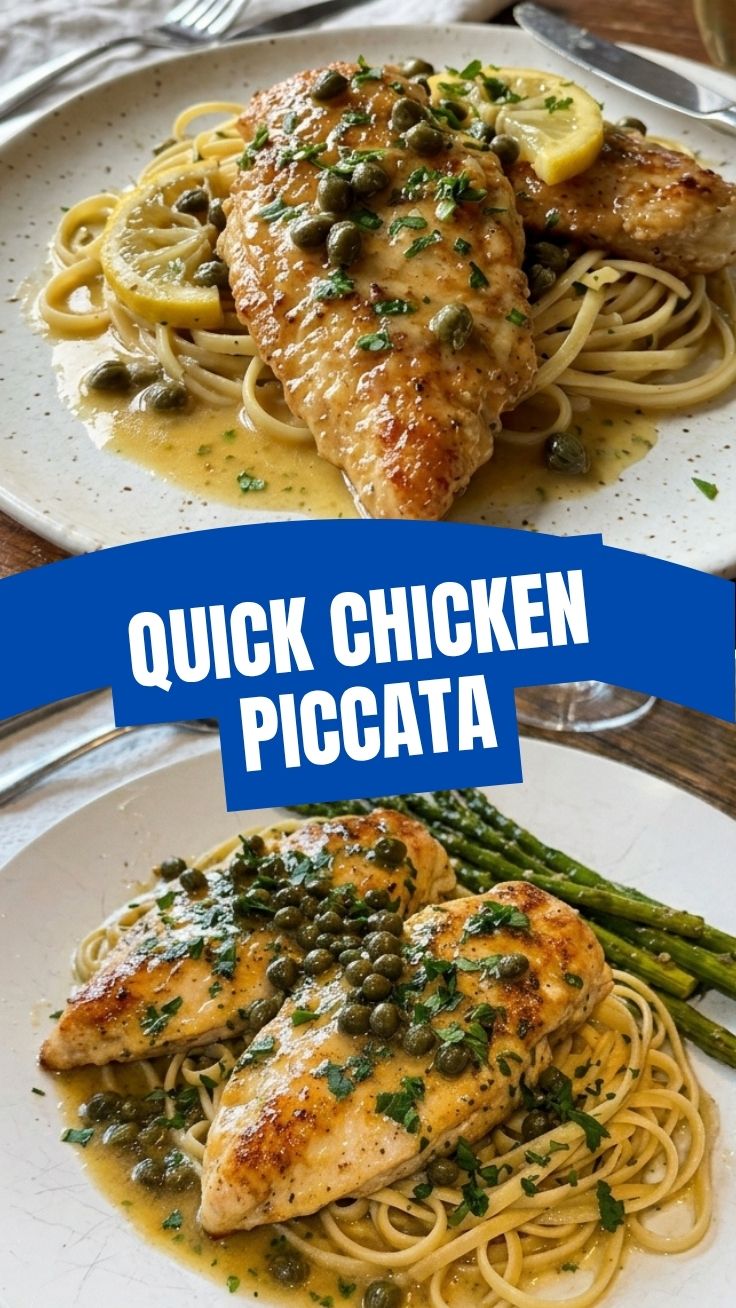
Proven way to grow: Chicken Piccata in 5 steps
Ingredients
Equipment
Method
- Pound chicken breasts to an even thickness (about 1/2 inch) between two pieces of plastic wrap. In a shallow dish, whisk together flour, salt, and pepper.
- Dredge each chicken cutlet in the flour mixture, ensuring both sides are fully coated, and shake off any excess flour.
- Heat olive oil and 1 tablespoon of butter in a large skillet over medium-high heat until the butter is melted and slightly browned. Add chicken and cook for 3-4 minutes per side until golden brown and cooked through; remove chicken from skillet and set aside.
- Add lemon juice, chicken broth, and capers to the skillet and bring to a simmer, scraping up any browned bits from the bottom. Whisk in the remaining 1 tablespoon of butter until the sauce is slightly thickened.
- Return the cooked chicken to the skillet and simmer in the sauce for 1-2 minutes, turning to coat. Garnish with fresh parsley and serve immediately with pasta, rice, or your preferred side.