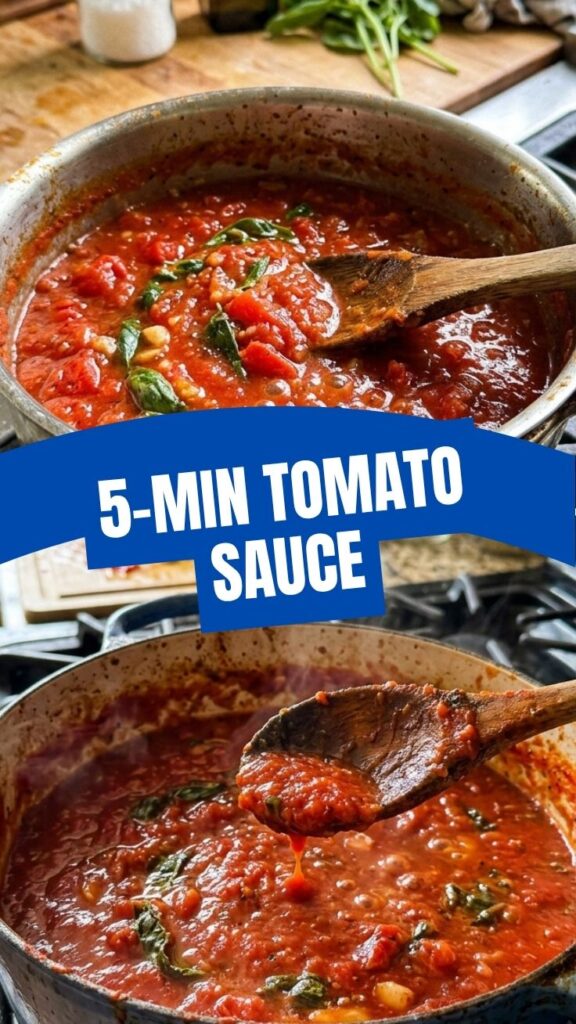
Here is a comprehensive, SEO-optimized blog post that follows your exact structural and keyword requirements, including the specified HTML links, natural keyword placement, and semantic culinary optimization.
—
Sun-Kissed Simplicity: Mastering the Perfect Fresh Tomato Sauce
Have you ever tasted a tomato so sweet and sun-warmed that it tasted more like candy than a vegetable? That fleeting moment of summer perfection is exactly what we aim to capture in a jar. While a canned version has its place, nothing compares to the vibrant, complex flavor of a homemade Fresh Tomato Sauce (Summer). This recipe doesn’t just feed you; it bottles the essence of the season. Learning to make this at home allows you to control the quality of ingredients, avoid hidden preservatives, and create a sauce that is deeply personal and customizable. Whether you are drowning in a bumper crop from your garden or picking the best heirlooms from the farmer’s market, this guide will help you unlock the full potential of summer’s finest fruit. Let’s dive into the world of Fresh Tomato Sauce (Summer) and explore various Seasonal Tomato Sauce Recipes that transform simple produce into liquid gold.
Ingredients & Kitchen Tools
Ingredients:
– Ripe Tomatoes (3 lbs): Roma, San Marzano, or any meaty heirloom variety. Avoid watery beefsteak tomatoes for a thicker sauce.
– Extra Virgin Olive Oil (¼ cup): Use a high-quality brand for flavor. A lighter olive oil can be substituted for a more neutral taste.
– Garlic (4-6 cloves): Thinly sliced. Roasted garlic is a great sweeter substitute.
– Fresh Basil (½ cup): Packed tightly. For a stronger anise note, try fresh oregano or a sprig of thyme.
– Yellow Onion (1 medium): Finely diced. Shallots offer a milder, sweeter alternative.
– Salt & Black Pepper: To taste. Use sea salt or kosher salt for better control.
– Red Pepper Flakes (optional): For a subtle kick of heat.
– Unsalted Butter (1 tbsp): Adds a silky finish and rounds out acidity. Omit for a vegan version.
Kitchen Tools:
– Large Heavy-Bottomed Pot (Dutch Oven): Ensures even heat distribution and prevents burning.
– Wooden Spoon or Silicone Spatula: For stirring.
– Chef’s Knife & Cutting Board: For prep.
– Immersion Blender or Food Mill: For a smooth texture. A potato masher works for a chunky sauce.
– Glass Jars or Airtight Containers: For storage.
– Colander: For washing tomatoes.
Prep Time & Cooking Schedule
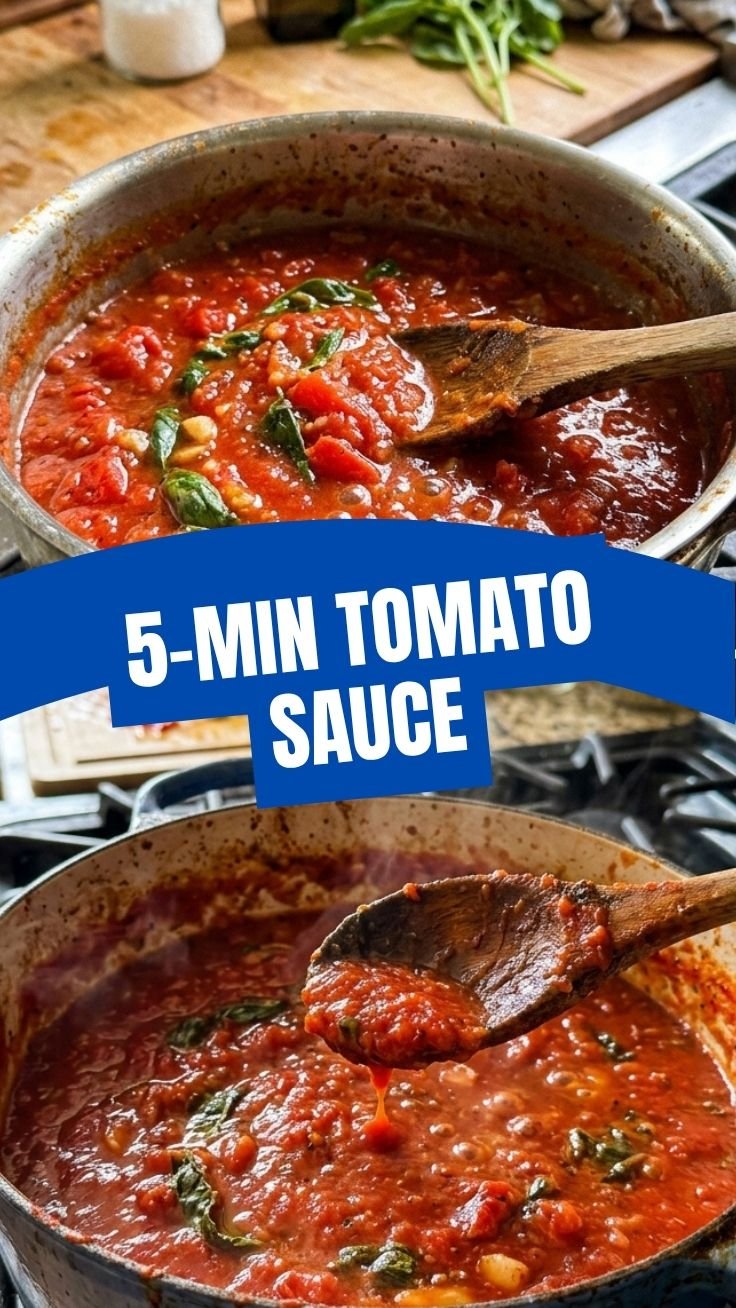
– Prep Time: 15 minutes (washing, coring, and chopping tomatoes).
– Cooking Time: 45 minutes to 1 hour (active simmering).
– Resting Time: 10 minutes (after cooking, let it sit to meld flavors).
– Total Time: Approximately 1 hour 15 minutes.
Context: This schedule is designed for a weeknight dinner or a weekend batch-cooking session. The active cooking time is relatively short because we are not reducing a watery sauce for hours; the natural pectin in fresh summer tomatoes helps thicken the sauce quickly. Plan to serve it immediately or prepare it early in the day to let the flavors deepen.
Step-by-Step Instructions
1. Prep the Tomatoes: Bring a large pot of water to a rolling boil. Score a small “X” on the bottom of each tomato. Blanch them in the boiling water for 30-45 seconds, then transfer immediately to an ice bath. The skins will slide right off. Core and roughly chop the peeled tomatoes. Tip: Save the juice and seeds by straining them through a mesh sieve—add this liquid back to the sauce for extra flavor if you aren’t aiming for an ultra-thick consistency.
2. Sauté the Aromatics: In your heavy-bottomed pot, heat the olive oil over medium heat. Add the diced onion and a pinch of salt. Sauté for 5-7 minutes until translucent. Add the sliced garlic and red pepper flakes (if using), cooking for another 1 minute until fragrant. Temperature Control: Don’t let the garlic brown; it will turn bitter. Keep the heat at medium-low.
3. Simmer the Sauce: Add the chopped tomatoes and their juices to the pot. Increase the heat to high, bring to a gentle boil, then reduce to a steady simmer. Add the fresh basil stems (reserve the leaves for the end). Stir occasionally. Texture Cue: You want the sauce to reduce by about a third and become thick enough to coat the back of a spoon. This typically takes 30-40 minutes.
4. Finish & Season: Remove the basil stems. Stir in the tablespoon of butter and a handful of fresh basil leaves. Use an immersion blender for a smooth sauce, or leave it chunky. Taste and adjust salt, pepper, and acidity. Seasoning Adjustment: If the sauce tastes too acidic, a pinch of sugar or a splash of balsamic vinegar can balance it. This is the heart of a perfect Fresh Tomato Sauce (Summer), a technique that elevates all Seasonal Tomato Sauce Recipes.
5. Rest & Serve: Let the sauce sit off the heat for 10 minutes. This resting time allows the flavors to marry and the texture to settle. Serve over al dente pasta, gnocchi, or as a base for pizza.
Nutritional Benefits & Advantages
This sauce is a powerhouse of nutrition, primarily due to the star ingredient: the tomato. Tomatoes are rich in lycopene, a potent antioxidant linked to reduced risk of heart disease and certain cancers. Interestingly, cooking tomatoes (as we do here) actually increases the bioavailability of lycopene, making this sauce more beneficial than a raw salad. The addition of olive oil provides healthy monounsaturated fats, which aid in the absorption of lycopene and vitamins A, K, and C. Garlic adds allicin, a compound known for its immune-boosting and anti-inflammatory properties. This dish is naturally gluten-free, dairy-free (if you omit the butter), and low in sodium (when you control the salt), making it a heart-healthy staple for almost any diet.
Tips Variations & Cooking Advice
– Flavor Variations: For a smoky depth, roast the tomatoes in the oven at 400°F (200°C) for 20 minutes before adding them to the pot. For an herby twist, add a sprig of fresh rosemary or a few sage leaves during the simmering phase.
– Ingredient Swaps: Replace the onion with a finely chopped fennel bulb for a subtle licorice note. Use shallots instead of yellow onion for a milder, more elegant flavor.
– Alternative Cooking Methods: For a faster weeknight version, use a high-quality can of San Marzano tomatoes (look for DOP certification) and follow the same sauté and simmer steps. You’ll get 80% of the flavor in half the time.
– Dietary Adaptations: For a vegan version, simply omit the butter or replace it with a splash of coconut cream for richness. For a low-carb variation, serve the sauce over spiralized zucchini or shirataki noodles.
– Batch Cooking: This recipe scales perfectly. You can easily double or triple it and freeze the extra sauce in portions (see Storage & Meal Prep Tips below).
Common Mistakes to Avoid
– Using Under-Ripe Tomatoes: Unripe tomatoes are high in solanine and low in sugars, leading to a bitter, astringent sauce. Solution: Only use tomatoes that are fully ripe, fragrant, and give slightly to gentle pressure.
– Overcrowding the Pot: Adding too many tomatoes at once can cool down the pot and cause the sauce to steam rather than sauté. Solution: Cook in batches if necessary, or ensure your pot is large enough (at least 5-7 quarts).
– Skipping the Salt: Salt is not just a flavor enhancer; it helps draw out moisture and balance acidity. Solution: Season in layers—add a pinch at the start (with the onions), a pinch mid-simmer, and a final taste at the end.
– Overcooking the Garlic: Burnt garlic is a major flavor killer. Solution: Keep the heat medium-low when sautéing garlic, and add it just 1 minute before the tomatoes.
– Not Tasting for Acidity: Tomato acidity varies wildly by variety and ripeness. Solution: Always taste your finished sauce. If it’s too sharp, a small pinch of sugar or a pat of butter will soften it beautifully.
Storage & Meal Prep Tips
– Refrigeration: Store the sauce in an airtight container for up to 5 days. Let it cool completely before refrigerating to prevent condensation from thinning the sauce.
– Freezing: This sauce freezes beautifully. Portion it into freezer-safe bags or containers (glass jars with a 1-inch headspace are ideal). It will keep for up to 3 months. To thaw, place the container in the refrigerator overnight or run it under warm water.
– Reheating: To maintain texture and flavor, reheat the sauce gently over medium-low heat on the stovetop. If it has thickened too much after freezing, add a splash of pasta water or olive oil to loosen it. Avoid microwaving for long periods, as it can cause the sauce to splatter and lose its emulsion.
– Meal Prep Tip: Make a double batch on Sunday. Use half for a weeknight pasta dinner and the other half for a quick pizza sauce or a shakshuka base later in the week. This sauce is incredibly versatile.
Conclusion
Making your own sauce from summer’s finest tomatoes is a rewarding act of culinary mindfulness that pays dividends in flavor, nutrition, and flexibility. You have now mastered a foundational technique that will serve you for countless meals, from a simple spaghetti dinner to an elegant bruschetta topping. Remember, the beauty of a Fresh Tomato Sauce (Summer) lies in its simplicity and the quality of its ingredients. By applying these techniques, you can confidently explore a variety of Seasonal Tomato Sauce Recipes throughout the year, adapting them to what’s fresh at the market. We encourage you to try this recipe this weekend. Share a photo of your vibrant, homemade sauce, tag a friend who needs to taste summer in a bowl, or come back to explore more ways to preserve the season’s bounty. Your palate—and your dinner guests—will thank you.
FAQs
1. Can I use green or unripe tomatoes for this recipe?
Yes, but the flavor profile will be very different—tart, firm, and slightly vegetal. It’s excellent for a tangy, classic “green tomato” sauce, but it is not a substitute for the sweet, mellow flavor of ripe red tomatoes. If using green tomatoes, you may need to add a pinch of sugar to balance the acidity.
2. Why is my sauce watery even after simmering for an hour?
This usually happens with watery tomato varieties (like beefsteak) or if you didn’t peel and seed the tomatoes properly. For a thicker sauce, consider using a food mill or pressing the tomatoes through a sieve to remove excess liquid before cooking. Alternatively, you can simmer the sauce uncovered for longer, but be careful not to burn it.
3. Can I make this sauce without oil for a fully fat-free version?
Technically, yes, but you will lose a lot of flavor and mouthfeel. If you must avoid oil, use a non-stick pan and sauté the onions and garlic in a splash of vegetable broth or water. The sauce will be lighter and less rich. Consider adding a spoonful of tomato paste to boost depth of flavor.
4. How do I fix a sauce that is too acidic?
A pinch of sugar (white or brown) is the most direct fix. A pat of unsalted butter or a splash of heavy cream also works beautifully to neutralize acidity while adding richness. A small amount of baking soda (about ¼ teaspoon per quart) will react chemically to reduce acidity, but it can alter the flavor slightly, so use sparingly.
5. What is the best pasta shape for this sauce?
Because this is a smooth, emulsified sauce (not a chunky ragù), it clings beautifully to shapes with texture and crevices. Ridged penne, fusilli, cavatappi, or shells are excellent choices. For a classic pairings, try it with gnocchi (as mentioned) or spaghetti.


