
The Ultimate Guide to Making Perfect Homemade Bread
There’s something magical about the aroma of freshly baked bread filling your kitchen. Have you ever wanted to create that perfect loaf with a golden crust and soft interior? Learning to make Homemade White Bread from scratch is a rewarding skill that connects you to culinary traditions across generations. This Easy White Bread Recipe will guide you through creating a beautiful, flavorful loaf without complicated techniques or specialty equipment. Let’s explore how simple ingredients transform into one of life’s most comforting foods.
Ingredients & Kitchen Tools
For the bread:
– 4 cups all-purpose flour (plus extra for dusting)
– 2¼ teaspoons active dry yeast (1 standard packet)
– 2 tablespoons granulated sugar (helps activate the yeast)
– 1½ teaspoons salt
– 2 tablespoons unsalted butter, softened (adds richness)
– 1½ cups warm water (105-115°F, not hotter or it will kill the yeast)
– 1 tablespoon vegetable oil (for greasing)
Kitchen tools needed:
– Large mixing bowl
– Measuring cups and spoons
– Wooden spoon or stand mixer with dough hook
– 9×5-inch loaf pan
– Clean kitchen towel
– Wire cooling rack
– Pastry brush (optional, for butter glaze)
– Bread knife (for clean slices)
Prep Time & Cooking Schedule
– Prep time: 20 minutes
– First rise: 1 hour (or until doubled in size)
– Shaping: 10 minutes
– Second rise: 45 minutes
– Baking time: 30-35 minutes
– Cooling time: 1 hour (minimum before slicing)
– Total time: Approximately 3 hours 45 minutes
Plan accordingly—while most of this time is hands-off, you’ll need to be available at specific intervals to shape the dough and monitor its progress.
Step-by-Step Instructions
1. Activate the yeast: In a small bowl, combine warm water, sugar, and yeast. Let it sit for 5-10 minutes until foamy, indicating active yeast.
2. Mix dry ingredients: In a large bowl, whisk together flour and salt.
3. Combine wet and dry: Create a well in the flour mixture and pour in the activated yeast mixture and add softened butter.
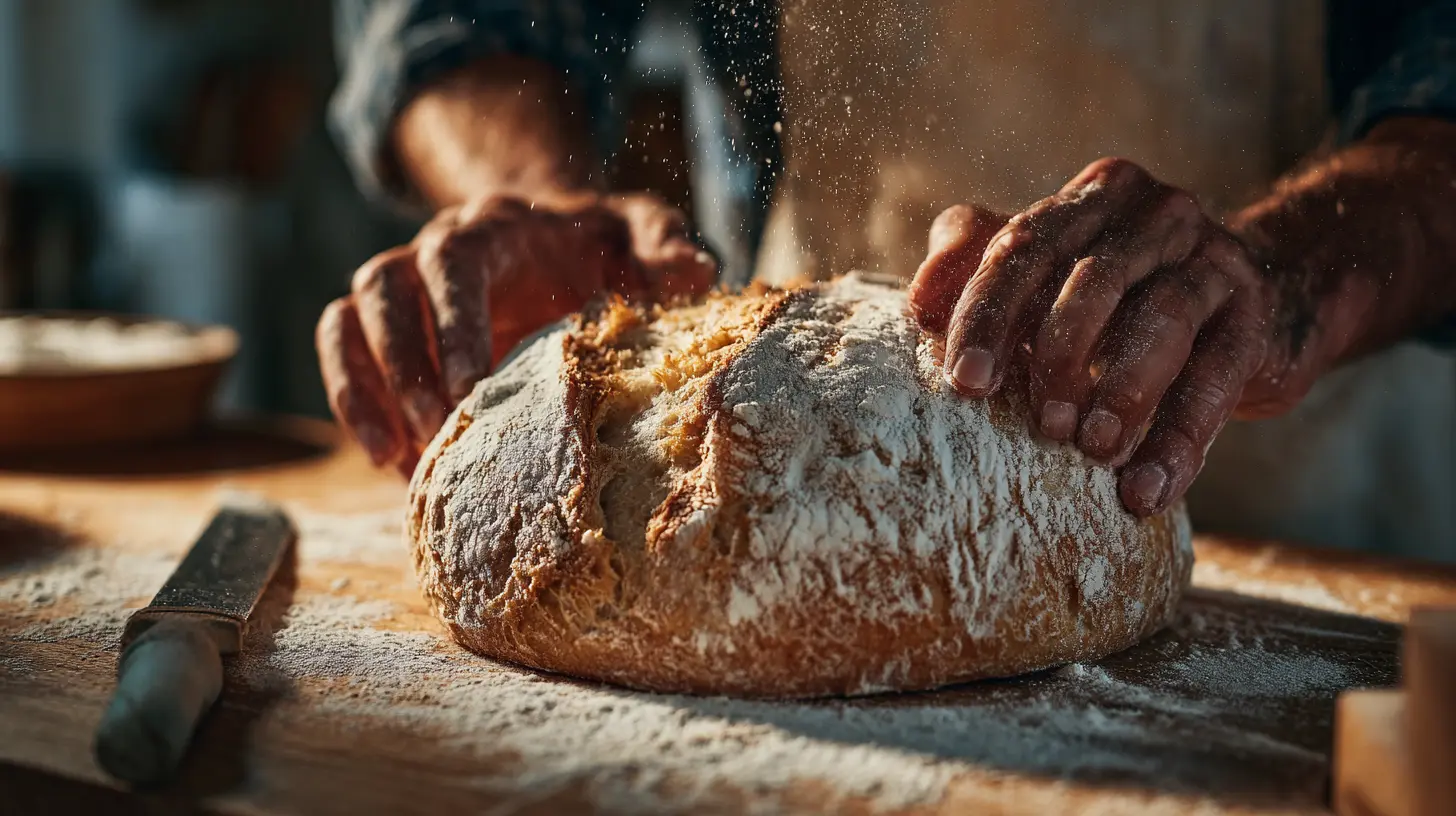
4. Knead the dough: Mix until a shaggy dough forms, then turn onto a floured surface. Knead for 8-10 minutes until smooth and elastic. This Homemade White Bread requires proper kneading to develop gluten structure.
5. First rise: Place dough in an oiled bowl, cover with a damp towel, and let rise in a warm spot for about 1 hour until doubled.
6. Shape the loaf: Punch down dough, shape into a rectangle, then roll tightly into a loaf shape. Place in a greased 9×5-inch loaf pan.
7. Second rise: Cover with a towel and let rise again for 45 minutes or until the dough crests about 1 inch above the pan rim.
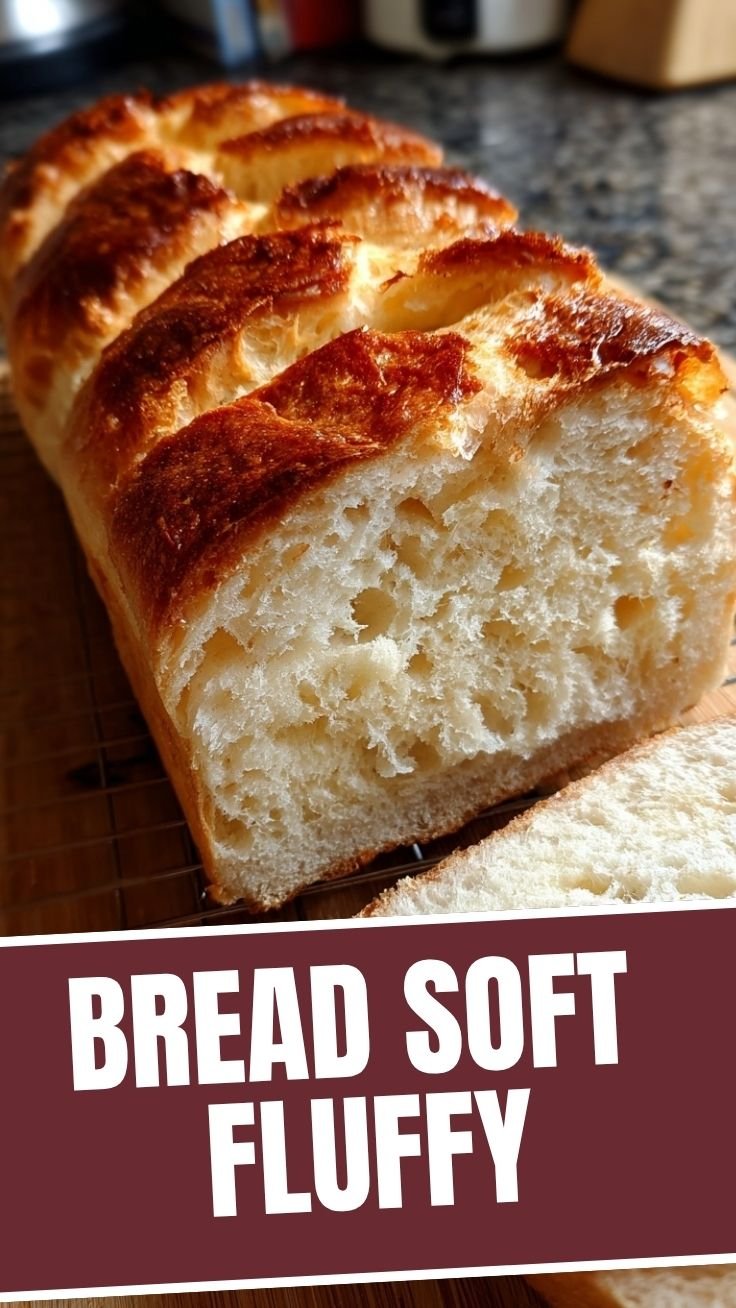
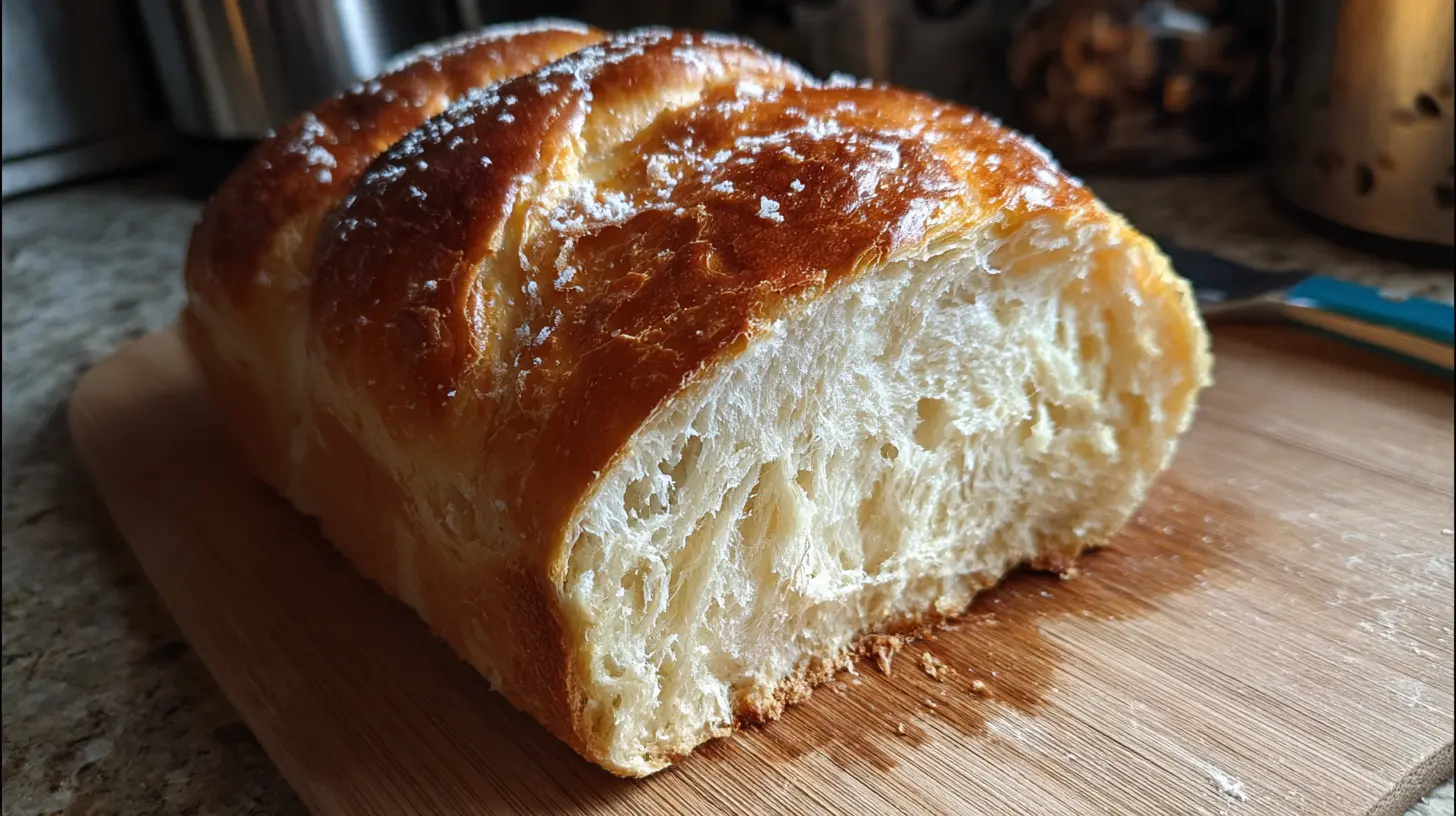
8. Baking: Preheat oven to 375°F. Bake for 30-35 minutes until golden brown with a hollow sound when tapped. This Easy White Bread Recipe produces consistently excellent results if you maintain proper oven temperature.
9. Cooling: Remove from pan immediately and cool completely on a wire rack before slicing.
Nutritional Benefits & Advantages
Homemade bread offers several advantages over store-bought varieties:
– No preservatives or artificial ingredients
– Control over sodium content
– Fresh enzymes that aid digestion
– Complex carbohydrates providing sustained energy
– Potential for added whole grains or seeds for more fiber
Tips, Variations & Cooking Advice
– Milk substitute: Replace water with milk for a softer, richer loaf
– Whole wheat option: Substitute up to half the all-purpose flour with whole wheat flour
– Herb-infused: Add 1 tablespoon of dried herbs like rosemary or thyme to the dry ingredients
– Honey twist: Replace sugar with honey for a different flavor profile
– Crusty version: Place a shallow pan of water in the oven during baking for a crustier exterior
Common Mistakes to Avoid
1. Water too hot: Temperatures above 115°F will kill yeast
2. Insufficient kneading: Under-kneading results in dense bread
3. Over-flouring: Adding too much flour during kneading makes bread dry
4. Cutting too soon: Slicing warm bread releases steam and creates gumminess
5. Inaccurate measuring: Bread baking requires precise measurements for consistent results
Storage & Meal Prep Tips
– Store completely cooled bread in a paper bag or bread box for 2-3 days
– For longer storage, slice and freeze for up to 3 months
– Refresh day-old bread by sprinkling with water and heating at 350°F for 5-10 minutes
– Toast slices directly from frozen for quick preparation
– Wrap tightly in aluminum foil when freezing to prevent freezer burn
Conclusion
Mastering Homemade White Bread is a fundamental culinary skill that brings immense satisfaction. This Easy White Bread Recipe provides all the guidance needed to create beautiful loaves that will impress family and friends while saving money on artisanal bread purchases. The journey of bread making connects us to food traditions across cultures and generations, making it much more than just a recipe—it’s a culinary heritage worth preserving. Try baking your own bread this weekend and discover the joy of creating something truly fundamental with your own hands.
FAQs
Can I make this bread without a stand mixer?
Yes, you can mix and knead the dough by hand on a floured surface. The process takes longer but many bakers prefer the tactile experience.
Why didn’t my bread rise properly?
This could be due to inactive yeast, too cool rising environment, or insufficient proofing time. Ensure your yeast is fresh and your kitchen is warm (around 75-80°F).
Can I use bread flour instead of all-purpose flour?
Absolutely! Bread flour contains more protein and will give your loaf even better structure and a chewier texture.
How can I get a softer crust?
Brush the top with melted butter immediately after baking and cover with a clean kitchen towel as it cools to trap moisture.
Is it necessary to let the bread cool completely before slicing?
Yes—this allows the structure to set and prevents the loaf from becoming gummy or collapsing when cut. Patience yields better results!
How to Grow 3 Homemade White Bread Loaves
Ingredients
Equipment
Method
- In a large bowl, combine warm water, sugar, and yeast; let it sit for 5-10 minutes until foamy.
- Stir in salt and vegetable oil into the yeast mixture.
- Gradually add 3 cups of flour, mixing until smooth, then add remaining flour slowly, kneading until a soft dough forms.
- Turn the dough onto a floured surface and knead for 6-8 minutes until it's elastic and smooth.
- Place the dough in a greased bowl, turning once to coat, then cover and let rise in a warm place for 1-1.5 hours until doubled in size.
- Gently punch down the risen dough, divide it into three equal pieces, and shape each piece into a loaf.
- Place shaped loaves into greased 9x5 inch loaf pans, cover, and let rise for another 30-45 minutes or until nearly doubled.
- Preheat your oven to 375°F (190°C) during the last 15 minutes of the second rise.
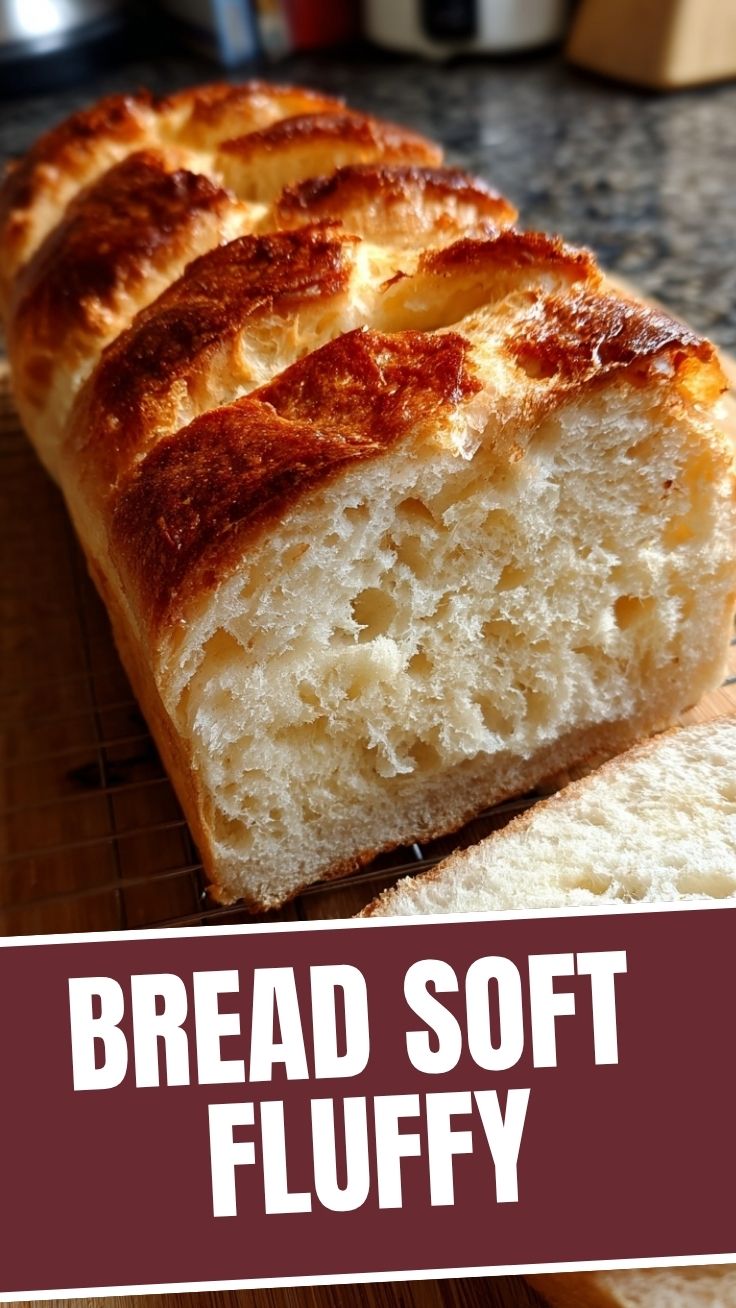
- Bake the loaves for 30-35 minutes, or until golden brown and they sound hollow when tapped.
- Remove from pans immediately and cool on a wire rack before slicing and serving.