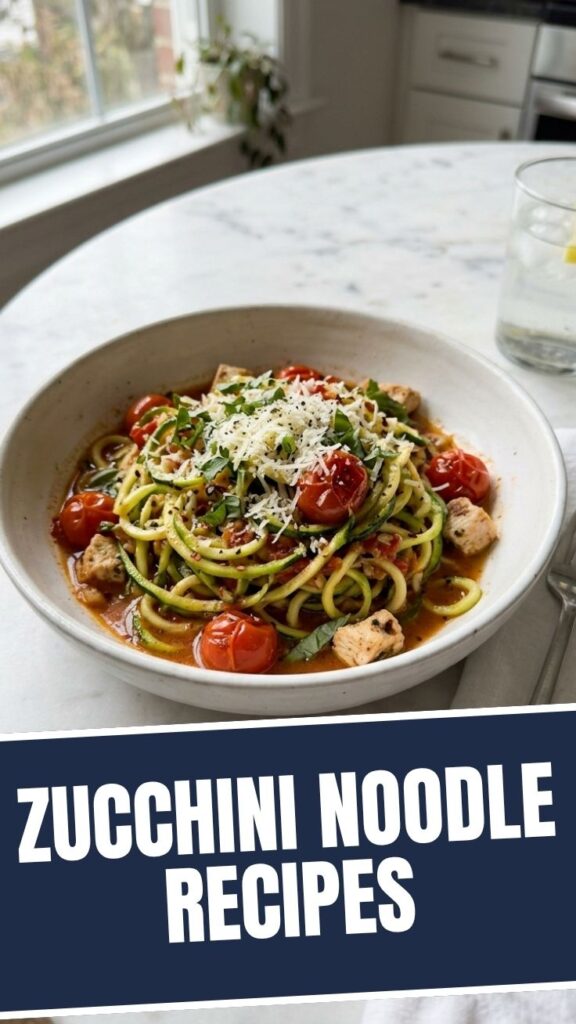
Here is a comprehensive, SEO-optimized blog post crafted to meet your exact specifications.
—
The Ultimate Guide to Low Calorie Zucchini Noodle Recipes You’ll Actually Crave
Have you ever stared at a steaming bowl of spaghetti and wished you could enjoy that comforting, twirly sensation without the carb crash or the bloated feeling afterward? You are not alone. The quest for a guilt-free pasta experience often leads to the humble zucchini, which, when spiralized, transforms into a versatile noodle that satisfies both texture and taste. While the idea might seem intimidating at first, learning how to prepare these noodles at home unlocks a world of flavor possibilities without sacrificing your health goals. These low calorie zucchini noodle recipes are not just a diet trend; they are a sustainable way to enjoy hearty meals with a fraction of the calories. By cooking from scratch, you control the sodium, the oil, and the portion sizes, ensuring every bite aligns perfectly with your nutritional needs.
Ingredients & Kitchen Tools (H2)
To get started on your light pasta journey, gathering the right ingredients and tools is crucial for success.
– Fresh Zucchini (2-3 medium): Look for firm, straight zucchinis with no soft spots. These spiralize better and hold their shape.
– Aromatics (Garlic & Shallot): For a flavor base that lifts the entire dish.
– Protein of Choice (Chicken, Shrimp, or Tofu): Adds satiety and balances the meal.
– Cherry Tomatoes (1 cup): Provides acidity and sweetness.
– Olive Oil (1 tsp): Just enough to prevent sticking.
– Salt, Pepper, & Red Pepper Flakes: Basic seasoning essentials.
– Parmesan Cheese (optional): For a savory finish.
Kitchen Tools:
– Spiralizer – The star tool. A handheld version works well, but a countertop model saves time.
– Large Non-Stick Skillet – Essential for sautéing without overcooking the noodles.
– Colander & Paper Towels – For de-salting and drying the zoodles.
Optional Substitutions:
– Zucchini Noodle Pasta Substitute: If you are out of zucchini, yellow squash or even peeled carrot ribbons work beautifully as a zucchini noodle pasta substitute in a pinch.
– Pesto or Marinara: For a flavor change without extra calories.
Prep Time & Cooking Schedule (H2)
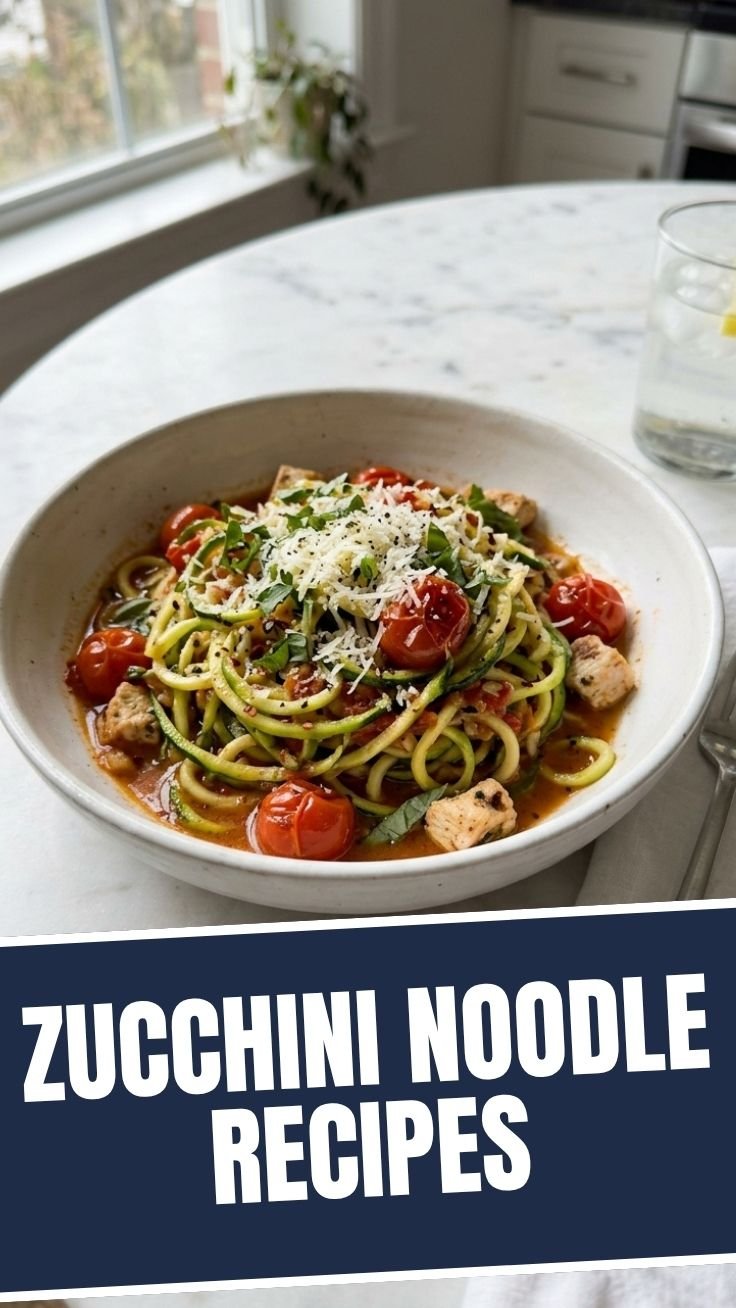
Timing is everything when cooking with zucchini noodles. The goal is to avoid a watery, mushy mess.
– Prep Time: 15 minutes (Includes washing, spiralizing, and salting the noodles).
– Cooking Time: 5-7 minutes total. (Zoodles cook incredibly fast).
– Resting Time: 10 minutes (For the salted noodles to release moisture).
– Total Active Time: 20 minutes.
Planning Tip: Spiralize your zucchini ahead of time and store them in a single layer between paper towels in the fridge for up to 2 days. This dramatically reduces your cook time on a busy weeknight.
Step-by-Step Instructions (H2)
Follow these steps precisely to achieve perfectly textured “zoodles” every time.
Step 1: Spiralize and Salt
Using your spiralizer, turn the zucchinis into long, uniform noodles. Place them in a colander, sprinkle generously with salt, and let them sit for 10 minutes. This draws out excess water. Tip: After resting, press gently with paper towels. This is the number one trick from professional kitchens for avoiding soggy noodles.
Step 2: Cook the Protein
In your non-stick skillet over medium-high heat, add ½ tsp of olive oil. Cook your protein (chicken, shrimp, or tofu) until golden brown and cooked through. Remove and set aside.
Step 3: Sauté the Zoodles
In the same pan, add the remaining olive oil and minced garlic. Cook for 30 seconds, then add the cherry tomatoes. Sauté for 2 minutes until they blister. Now, add your dried zucchini noodles. Toss gently for exactly 2-3 minutes.
Step 4: Combine and Serve
Return your protein to the pan. Toss everything together. Season with salt and pepper. Important: Do not overcook. The noodles should still have a slight bite. This core technique is what makes these low calorie zucchini noodle recipes successful. For a more traditional texture, you can also use this method as a reliable zucchini noodle pasta substitute in any bolognese or alfredo recipe.
Nutritional Benefits & Advantages (H2)
Choosing zucchini over traditional wheat pasta is a game-changer for your daily macros.
– Calorie Comparison: One cup of cooked spaghetti has roughly 220 calories. One cup of zucchini noodles has only 20 calories. You save approximately 200 calories per serving.
– Carb Content: Zoodles contain less than 4g of net carbs per serving, making them excellent for keto, paleo, and diabetic-friendly diets.
– Hydration & Fiber: Zucchini is over 95% water and provides a good amount of soluble fiber, which aids digestion and keeps you full longer.
Tips Variations & Cooking Advice (H2)
Don’t be afraid to experiment. This base recipe adapts beautifully.
– Flavor Variation: Swap the garlic and tomatoes for a creamy avocado sauce or a zesty lemon-butter sauce (using fat-free yogurt).
– Cooking Method: Instead of sautéing, try baking the zoodles at 400°F (200°C) for 10 minutes for a chewier, drier texture.
– Dietary Adaptation: For a vegan version, use nutritional yeast instead of Parmesan and tofu as your protein. This is naturally gluten-free.
– Portion Change: Want a heartier meal? Mix the zoodles 50/50 with whole-wheat pasta to reduce calories while keeping a familiar chew.
Common Mistakes to Avoid (H2)
Even experienced cooks make these errors. Here is how to fix them.
– Mistake: Overcooking the Noodles. Zoodles turn to mush if cooked over 5 minutes.
– Solution: Cook them last and only for 2-3 minutes.
– Mistake: Skipping the Salting Step. This leads to a watery pool of sauce at the bottom of your bowl.
– Solution: Always salt and blot them dry before cooking.
– Mistake: Using Old Zucchini. Soft, bendy zucchini spiralize into paste.
– Solution: Use firm, fresh zucchini with tight skin.
Storage & Meal Prep Tips (H2)
Zucchini noodles are best fresh, but proper storage can salvage leftovers.
– Refrigeration: Store cooked zoodles in an airtight container. They will last 1-2 days. (Note: Texture will soften over time).
– Freezing: Freezing raw zoodles is not recommended as they become extremely watery upon thawing. However, blanched zoodles freeze decently for up to 3 months.
– Reheating: Reheat only in a hot skillet for 1 minute or in the microwave for 30 seconds. Avoid prolonged reheating.
– Meal Prep Strategy: Spiralize and salt the raw zoodles up to 2 days ahead. Keep them separated from your sauce and protein until you are ready to cook.
Conclusion (H2)
Mastering the art of the zucchini noodle opens up a world where you can enjoy your favorite pasta dishes without compromise. From quick weeknight dinners to impressive low-carb meals, the versatility is unmatched. By following the simple steps of salting to remove moisture and cooking only briefly, you ensure a perfectly textured dish every time. We encourage you to try these low calorie zucchini noodle recipes tonight. Whether you use it as a zucchini noodle pasta substitute for a classic marinara or a creamy pesto, you are making a healthier choice that doesn’t sacrifice joy. Share your creations and let us know how you customized your bowl.
FAQs (H2)
1. Can I use a vegetable peeler instead of a spiralizer?
Yes! You can create wide, fettuccine-like noodles using a Y-peeler or a standard potato peeler. The texture will be slightly different but equally delicious.
2. Why did my zoodles turn into soup?
This commonly happens if you skipped the salt-and-dry step or cooked the noodles for too long. Always salt your raw zoodles and only cook for 2-3 minutes over medium-high heat.
3. Are zucchini noodles keto-friendly?
Absolutely. With only about 3-4g of net carbs per serving, they are a staple ingredient for the keto diet and other low-carb lifestyles.
4. How do I keep the noodles from sticking together?
Toss them with a tiny amount of olive oil right after spiralizing. Also, ensure your pan is hot enough before adding them—steam is the enemy of separate noodles.
5. Can I eat zucchini noodles raw?
Definitely! For a crunchy, refreshing salad, skip the cooking step entirely. Toss the raw zoodles with a vinaigrette, fresh herbs, and your favorite toppings.
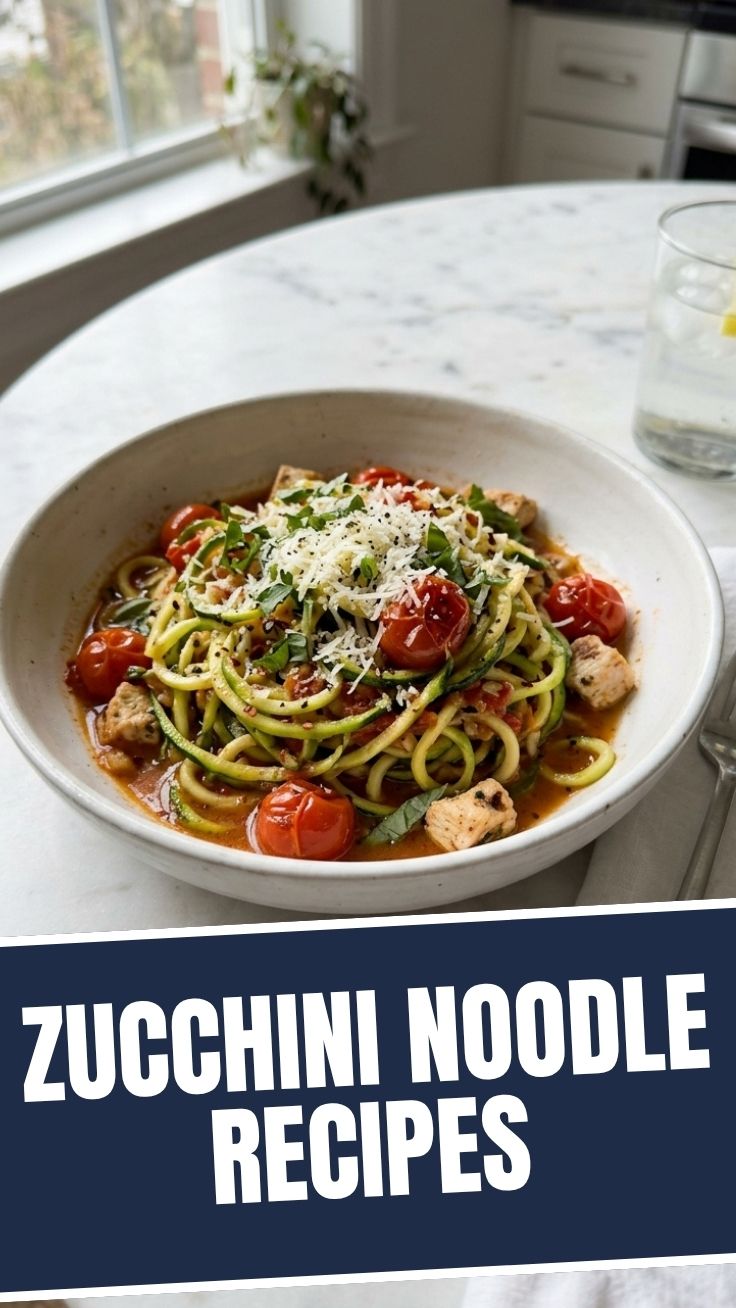
Zucchini Noodle Stir-fry
Ingredients
Equipment
Method
- Prepare the zucchini noodles using a spiralizer or vegetable peeler.
- Whisk together soy sauce, sesame oil, rice vinegar, and Sriracha in a small bowl to create the sauce.
- Heat olive oil in a large skillet or wok over medium-high heat, then add sliced bell pepper and julienned carrot; stir-fry for 3-4 minutes until they are slightly tender-crisp.
- Add minced garlic and grated ginger to the skillet and stir-fry for 1 minute until fragrant.
- Add the zucchini noodles to the skillet, pour the prepared sauce over them, and toss gently; cook for 2-3 minutes until the zucchini is just tender but still firm, being careful not to overcook.
- Remove the stir-fry from heat, then garnish with chopped green onions and sesame seeds before serving immediately.


