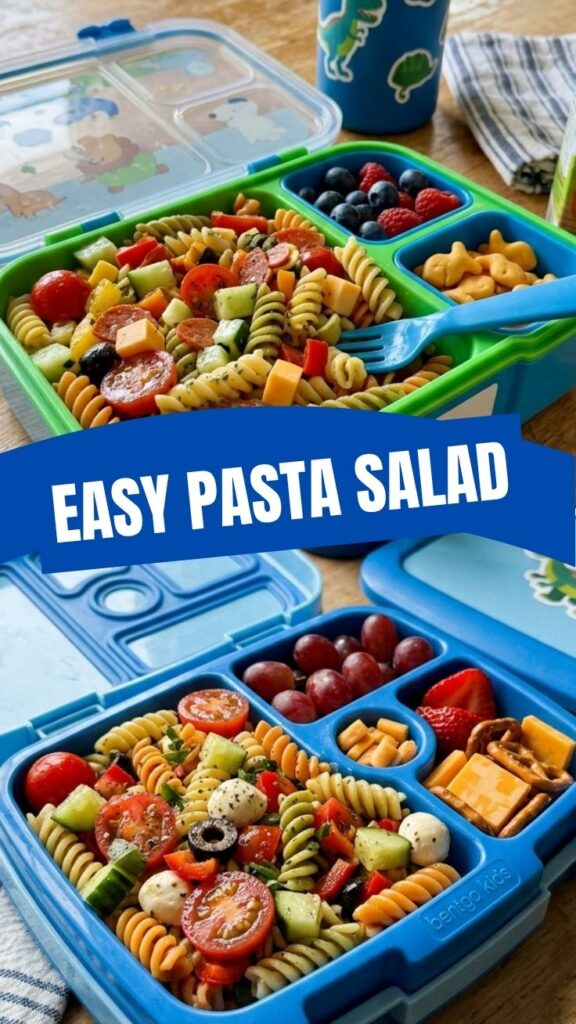
The Ultimate Lunchbox Pasta Salad (Kids) Recipe: A Parent’s Guide to Stress-Free, Nutritious Lunches
Are you tired of the daily lunchbox struggle—trading away uneaten sandwiches, battling wilted greens, and facing the dreaded “I’m hungry” meltdown at 3 PM? You’re not alone. In fact, studies show that 40% of kids’ packed lunches end up partially uneaten. But what if I told you a single, colorful, and cold-friendly dish could solve all that? Enter the Lunchbox Pasta Salad (Kids) —a vibrant, kid-approved solution that combines fun shapes, hidden veggies, and make-ahead convenience. Preparing this recipe at home saves you money (up to 60% compared to store-bought lunches), gives you control over sugar and sodium, and turns the lunchbox into something your child actually looks forward to opening. This isn’t just another recipe; it’s a easy lunch recipes for kids game-changer that works for busy mornings, picky eaters, and even school allergy policies. Let’s dive into why this pasta salad will become your weekly lunch MVP.
Ingredients & Kitchen Tools
Essential Ingredients (with notes)
| Ingredient | Clarification | Optional Substitutions |
|————|—————|————————|
| 2 cups mini pasta (ditalini, orzo, or stars) | Small shapes hold dressing better and are easier for tiny hands to scoop. | Gluten-free brown rice pasta. |
| 1 cup cherry tomatoes (halved) | Provides natural sweetness and a pop of color. | Diced red bell peppers, if tomatoes are out of season. |
| 1 cup steamed broccoli florets (chopped small) | Adds fiber, iron, and a mild flavor kids accept. | Finely grated zucchini or peas. |
| ½ cup shredded mild cheddar cheese | A familiar, kid-loved protein boost. | Dairy-free shreds or nutritional yeast for a cheesy flavor. |
| ¼ cup plain Greek yogurt | Base for a creamy, lower-fat dressing. | Unsweetened applesauce or dairy-free yogurt. |
| 2 tbsp milk (any kind) | Thins dressing to coat pasta evenly. | Oat milk or water. |
| 1 tbsp olive oil | Helps prevent pasta from sticking. | Avocado oil. |
Kitchen Tools & Utensils
– Large pot & colander (for boiling and draining pasta)
– Mixing bowls (one large, one small)
– Sharp knife & cutting board (for chopping veggies)
– Whisk or fork (for dressing)
– Airtight lunch containers (preferably with compartments to keep ingredients fresh)
– Ice bath (optional) – stops pasta cooking immediately for a firmer texture
Prep Time & Cooking Schedule
Prep & Cook Time: 25 minutes total (hands-on: 15 minutes, boiling: 10 minutes)

Cook Time: 10 minutes (pasta)
Chill Time: Minimum 1 hour (optional, but improves flavor melding)
Total Active Time: 15 minutes
Why this schedule works: You can boil the pasta while steaming the broccoli simultaneously (use a steamer basket over the pasta pot). Then, while the pasta cools in the fridge, chop the tomatoes and whisk the dressing. This linear flow saves 10–15 minutes on busy school nights. For morning prep, assemble the entire salad the night before—just keep the dressing separate until packing to avoid sogginess.
Step-by-Step Instructions
1. Cook the pasta to al dente. Bring 4 quarts of salted water to a rolling boil. Add 2 cups mini pasta and stir immediately to prevent sticking. Boil for 2 minutes less than package directions (about 6–8 minutes for most small shapes). Pro tip: Test a piece with your teeth—it should have a firm center without being hard. Overcooked pasta turns mushy when mixed with dressing.
2. Prepare the veggie mix. While pasta boils, steam 1 cup broccoli florets in a microwave-safe dish with 2 tbsp water for 90 seconds (or until bright green). Immediately rinse under cold water to stop cooking. Chop into tiny, pea-sized pieces—this trick alone can convert veggie-avoiders. Halve cherry tomatoes and set aside.
3. Drain and shock the pasta. As soon as pasta is done, drain in a colander and rinse with cold water for 30 seconds until it feels room-temperature. Shake off excess water—wet pasta dilutes dressing. Transfer to a large mixing bowl and drizzle with 1 tbsp olive oil, tossing to coat. This is your secret weapon against clumping.
4. Whisk the creamy dressing. In a small bowl, combine ¼ cup Greek yogurt, 2 tbsp milk, a pinch of salt, and ½ tsp garlic powder (optional—some kids prefer it without). Whisk until smooth. Taste test: it should be tangy but not sour. If it’s too thick, add milk 1 tsp at a time.
5. Assemble and mix. Add chopped broccoli, halved tomatoes, and shredded cheese to the pasta bowl. Pour the dressing over and gently fold with a spatula until every piece is lightly coated. Stop mixing once combined—over-stirring breaks the pasta. Sprinkle with a pinch of dried oregano or Italian seasoning for a flavor boost that kids love yet parents approve.
6. Chill or pack directly. For best results, refrigerate the salad in a covered bowl for at least 1 hour (flavors marry beautifully). But here’s the magic: if you’re in a rush, pack it immediately into individual easy lunch recipes for kids containers. To keep the pasta salad perfectly textured for school, separate the dressing into a small leak-proof container and let kids mix it themselves at lunch—a fun and interactive experience that also prevents sogginess.
Nutritional Benefits & Advantages
| Nutrient | Per serving (1 cup) | % Daily Value (kids 4–8) |
|———-|———————|————————–|
| Protein | 7g | 15% |
| Fiber | 3g | 11% |
| Calcium | 120mg | 18% |
| Vitamin C | 25mg | 42% |
| Iron | 1.5mg | 10% |
Why this dish is better than typical lunchbox fare: Unlike deli meat sandwiches (which can have high sodium—up to 800mg per serving), this pasta salad provides balanced energy without the post-lunch slump. The Greek yogurt dressing offers probiotics for gut health, while broccoli supplies antioxidants and fiber that help kids stay full longer. The cherry tomatoes deliver lycopene—a heat-stable antioxidant—and even the pasta contributes B vitamins for energy metabolism. Plus, because it’s served cold, there’s zero bacterial risk in non-refrigerated lunchboxes for up to 2 hours.
Tips, Variations & Cooking Advice
Flavor Variations (that still please kids)
– Pizza Pasta Salad: Add ¼ cup diced pepperoni (turkey or plant-based), swap cheddar for mozzarella, and use pizza seasoning or dried basil.
– Rainbow Version: Include diced orange carrots, yellow corn, and purple cabbage—not just colorful but packed with different phytonutrients.
– Creamy Avocado Twist: Substitute half the yogurt with mashed avocado for healthy fats and a silky texture (great for soothing teething toddlers).
– Cheesy Mac & White Bean: Replace Greek yogurt with ¼ cup ricotta and add ½ cup canned white beans (rinsed) for extra plant protein that’s entirely texture-friendly.
Dietary Adaptations
– Gluten-Free: Use certified gluten-free pasta (taste quinoa or rice pasta; chill well before serving).
– Dairy-Free: Replace yogurt with cashew cream or store-bought vegan yogurt, and use nutritional yeast instead of cheese.
– Nut-Free: This recipe is naturally nut-free—perfect for allergy-conscious classrooms.
– Low-Sodium: Use unsalted pasta water, skip added salt, and rely on herbs like dill or chives for flavor.
Cooking Methods
– Batch Prep Method: Double or triple the recipe on Sunday. Store undressed pasta and veggies separately in the fridge (up to 3 days). Combine with dressing the morning you pack—takes 3 minutes.
– Cold Method: Boil pasta, shock in ice water, drain well, then add to bowl with cold dressing. Do not heat dressing—room temperature or slightly chilled is best to avoid warming the pasta.
Common Mistakes to Avoid
1. Overcooking the pasta. Mushy pasta doesn’t hold up in a lunchbox. Fix: Always set a timer and cook to al dente. Rinse with cold water immediately to halt carryover cooking.
2. Forgetting to dry the veggies. Watery broccoli or tomatoes dilute the dressing, making the salad bland. Fix: Pat broccoli dry with paper towels after steaming. Use a paper towel to wick excess moisture from halved tomatoes.
3. Oversalting the dressing or pasta water. Kids’ taste buds are more sensitive—overly salty pasta salad often gets rejected. Fix: Season pasta water with just a pinch, and taste the dressing before adding salt (yogurt already has sodium).
4. Adding dressing too early. Nine times out of ten, the reason kids refuse cold pasta salads is because the pasta has absorbed too much liquid, creating a slimy texture. Fix: Keep dressing separate until the morning of packing. Even for same-day serving, let the salad sit undressed for 10 minutes after assembling.
5. Using large, predictable veggie shapes. If you serve adult-sized florets, kids will pick them out. Fix: Finely mince broccoli, dice tomatoes into ¼-inch pieces, and even shred carrots with a microplane if using. Texture matters more than taste for many kids.
Storage & Meal Prep Tips
Refrigeration:
– Store the assembled (dressed) salad in an airtight container for up to 3 days. The pasta will absorb some dressing, so if it seems dry on day 3, revive with 1–2 tsp milk or a dash of water.
– Pro tip: Layer the lunchbox as follows: wet dressing at the bottom, then pasta, then cheese on top (prevents cheese from becoming a soggy mess).
Freezing: Not recommended for this particular recipe—the yogurt-based dressing will separate and broccoli will become mushy when thawed. However, you can freeze only the pasta and veggies (without dressing) in a freezer-safe bag for up to 1 month. Thaw overnight in the fridge, then make fresh dressing the morning you pack.
Reheating Guidelines: This pasta salad is designed to be served cold. Do not microwave—heat will make the sauce curdle and the pasta turn gummy. If your child prefers warm pasta, pack the components separately: warm the pasta and broccoli in the morning, then add room-temperature dressing just before eating.
School Lunch Timeline: Pack the salad in an insulated lunchbox with an ice pack. It stays safe to eat for 4 hours—perfect for morning to lunch break. Do not pack hot components (like warm pasta) in a cold salad container, as condensation will dilute the dish.
Conclusion
Making a Lunchbox Pasta Salad (Kids) that your child actually eats isn’t about complicated techniques or expensive ingredients—it’s about texture contrast, familiar flavors, and the power of pre-planning. By following this cold-friendly, make-ahead approach, you’re not just throwing together leftovers; you’re creating a nutritionally balanced, cost-effective, and easy lunch recipes for kids solution that turns the lunchbox from a battleground into a celebration of flavor. The real secret? This recipe is infinitely adaptable—use what you have, let your child pick a “fun shape” pasta at the store, and watch leftovers disappear. Try it this week, share a photo of your colorful creation on social media (tag us if you like), or explore our other preschool-friendly recipes for more inspiration. Your afternoons just got a whole lot easier.
FAQs
Q1: Can I use whole-wheat pasta instead of white pasta?
Absolutely! Whole-wheat pasta works wonderfully, though it has a nuttier flavor and slightly firmer texture. For picky eaters, start with a 50/50 blend of white and whole-wheat pasta to ease the transition. Note that whole-wheat may absorb dressing faster, so keep it separate if preparing in advance.
Q2: How do I split this recipe for a preschooler versus a first grader?
For preschoolers (ages 2–4), cut all ingredients into pea-sized or smaller pieces to prevent choking hazards. Use a ½ cup serving size. For first graders (ages 5–7), you can use regular mincing and serve 1 cup. Both age groups benefit from the “dressing-on-the-side” trick for enhanced texture control.
Q3: My child hates yogurt dressings. What are alternative dressings?
Try a simple vinaigrette: whisk 2 tbsp olive oil, 1 tbsp lemon juice (or apple cider vinegar), ¼ tsp honey, and a pinch of dried herbs. Kids often prefer this tangy, oil-based dressing to creamy ones. Another hit: 2 tbsp plain hummus thinned with 1 tsp water.
Q4: Can I add meat to this Lunchbox Pasta Salad (Kids)?
Yes! For additional protein, fold in ½ cup diced, fully cooked chicken (rotisserie works beautifully) or ¼ cup small, cooked meatballs (cut into quarters). For vegetarians, add ½ cup canned chickpeas (rinsed) or cubed firm tofu. Remember to adjust seasoning—if adding meat, reduce salt in the dressing.
Q5: What if my salad becomes too dry after sitting overnight?
Reviving a dry pasta salad is simple: stir in 1–2 tbsp of plain Greek yogurt, milk, or a squeeze of lemon juice. The acid in lemon juice helps rejuvenate flavors without making it “soggy.” Toss gently and let it sit in the fridge for 10 minutes before packing.

Proven way to grow Lunchbox Pasta Salad (Kids)
Ingredients
Equipment
Method
- Cook pasta according to package directions until al dente; then drain and rinse with cold water.
- Allow the pasta to cool completely.
- Transfer the cooled pasta to a large mixing bowl.
- Add cherry tomatoes, cucumber, bell pepper, carrot, and cooked chicken (if using) to the bowl with the pasta.
- In a separate small bowl, whisk together mayonnaise, yogurt, lemon juice, Dijon mustard, dill, salt, and pepper until smooth and well combined.
- Pour the dressing over the pasta and vegetable mixture.
- Toss gently until all ingredients are evenly coated.
- Cover the bowl and refrigerate the pasta salad for at least 30 minutes before serving, allowing the flavors to meld.


