
How to Make Authentic Pozole at Home: A Step-by-Step Guide
Have you ever craved a bowl of warm, hearty Mexican stew that feels like a hug in every spoonful? Making your own Pozole from scratch transforms simple ingredients into a deeply flavorful, soul-satisfying dish. Preparing it at home not only saves money but also lets you control the spice level, salt, and freshness—plus, the aroma alone is worth the effort. In this guide, I’ll share a foolproof pozole recipe that balances tradition with practical tips. By the end, you’ll be simmering a pot of this iconic Mexican soup with confidence.
Ingredients & Kitchen Tools
Ingredients List:
– 2 lbs pork shoulder (or pork loin), cut into 2-inch chunks – provides rich flavor and tender texture.
– 1 can (29 oz) white hominy, drained and rinsed (or dried hominy, soaked overnight) – the heart of any Pozole.
– 3 dried guajillo chiles, stems and seeds removed – for mild, smoky heat.
– 2 dried ancho chiles, stems and seeds removed – adds deep, earthy sweetness.
– 1 medium white onion, quartered – builds savory base.
– 4 garlic cloves, minced – essential aromatic.
– 1 tsp dried oregano (Mexican oregano preferred) – earthy, citrusy note.
– 2 bay leaves – subtle background flavor.
– 1 tbsp cumin, ground – warm, nutty accent.
– 6 cups chicken or pork broth – substitute vegetable broth for lighter version.
– Salt and pepper to taste.
– For garnish: shredded cabbage, radish slices, lime wedges, dried oregano, crushed red pepper, and avocados – each adds crunch and freshness.
Kitchen Tools:
– Large heavy-bottomed pot (Dutch oven ideal) – even heat distribution.
– Sharp chef’s knife and cutting board.
– Colander for rinsing hominy.
– Blender or food processor for smooth chile purée.
– Measuring spoons and cups.
– Ladle and serving bowls.
Optional substitutions: Use chicken breast instead of pork (reduce cooking time), or substitute canned green chiles for guajillo if mild flavor preferred.
Prep Time & Cooking Schedule
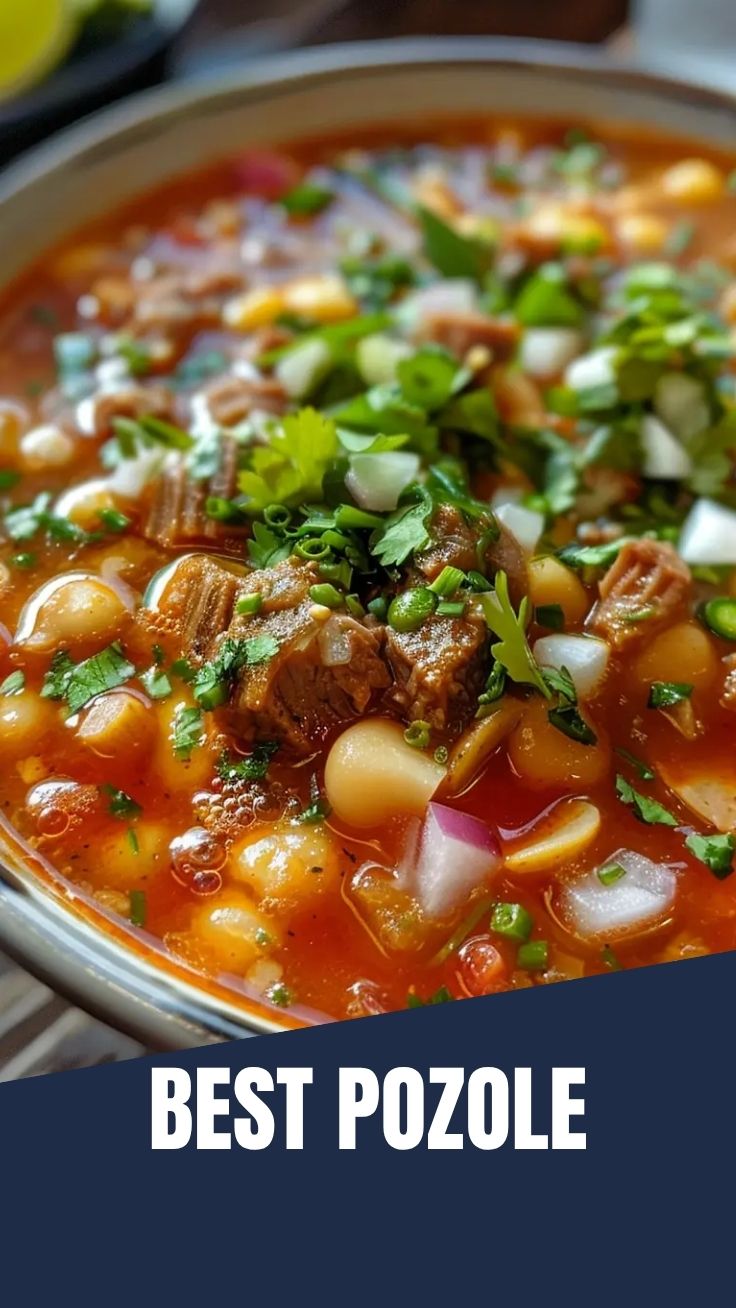
Understanding the timeline helps you plan:
– Prep time: 25 minutes – includes trimming pork, deseeding chiles, chopping aromatics.
– Active cooking time: 1 hour – browning meat, toasting chiles, simmering base.
– Simmering/resting time: 2 to 2.5 hours – low-and-slow cooking makes pork fork-tender and melds flavors.
– Total time: ~3 hours, with 30 minutes active effort.
Plan to start your Pozole in the early afternoon so it’s ready for dinner, or make it a day ahead—flavors deepen overnight.
Step-by-Step Instructions
1. Prepare the chiles: Toast dried guajillo and ancho chiles in a dry skillet over medium heat for 1-2 minutes per side until fragrant. Soak in hot water for 15 minutes until softened. Blend with ½ cup soaking liquid until smooth. Strain through a fine-mesh sieve.
2. Brown the pork: Season pork chunks with salt and pepper. Heat 2 tbsp oil in a large pot over medium-high heat. Sear meat in batches (don’t overcrowd) until deeply browned on all sides—about 4 minutes per batch. Remove and set aside.
3. Sauté aromatics: In the same pot, cook onion quarters and garlic for 2 minutes, scraping up browned bits. Add cumin, oregano, and bay leaves; stir until fragrant (30 seconds).
4. Build the broth: Return pork to the pot. Pour in the chile purée and broth. Bring to a boil, then reduce heat to low. Skim any foam that rises.
5. Simmer the stew: Add hominy (if using dried, ensure it’s pre-soaked and cooked). Cover and simmer gently for 2 hours until pork shreds easily. This slow simmer is where your Pozole develops its signature complexity.
6. Adjust seasoning: Remove bay leaves. Taste and add salt as needed. For extra depth, stir in a splash of lime juice before serving. This pozole recipe emphasizes patience—rushing the simmer sacrifices texture.
7. Serve hot: Ladle into bowls. Top with shredded cabbage, radish slices, lime, oregano, and avocado. The contrast of hot stew with fresh toppings is perfection.
Temperature cue: Broth should stay at a bare bubble—too high a boil toughens pork.
Nutritional Benefits & Advantages
Pozole is more than comfort food; it’s nutritionally balanced. Pork provides high-quality protein, B vitamins, and zinc, which supports immunity. Hominy, made from dried maize treated with lime, is rich in fiber and resistant starch—beneficial for gut health and blood sugar control. Guajillo and ancho chiles deliver vitamin C and capsaicin, which may boost metabolism. The fresh garnishes add vitamins A, C, and K from cabbage and radishes. A single serving (about 2 cups) offers roughly 350–450 calories, 25g protein, and only 8g fat if using lean pork. For a lower-sodium option, use unsalted broth and season conservatively.
Tips Variations & Cooking Advice
– Flavor variations: Swap pork for chicken thighs (cook 45 minutes) or use firm tofu for a vegan version (add with hominy).
– Chile profile: For smoky Pozole, add 1 chipotle pepper in adobo; for milder taste, reduce guajillo to 2.
– Cooking methods: Use an Instant Pot on high pressure for 45 minutes (natural release). Slow cooker? Sauté first, then cook on low for 6–8 hours.
– Dietary adaptations: Ensure hominy is gluten-free (it naturally is). For dairy-free, skip cheese toppings—avocado adds creaminess.
– Portion changes: Double recipe for a crowd—freezes beautifully for up to 3 months.
Common Mistakes to Avoid
– Overcrowding the pot when browning: Steaming instead of searing prevents deep flavor. Work in batches.
– Skipping the chile toast: Raw chiles taste bitter; toasting releases oils and sweetens the stew.
– Underseasoning until the end: Salt early but lightly—flavors concentrate as liquid reduces. You can always add more later.
– Boiling too vigorously: High heat toughens pork and murkies the broth. Keep at a gentle simmer.
– Rushing the hominy: Canned hominy only needs reheating, but if using dried, pre-cook until tender before adding to the pot to avoid crunchy kernels.
Storage & Meal Prep Tips
– Refrigeration: Cool Pozole completely, then transfer to airtight containers. Stays fresh for 4–5 days.
– Freezing: Portion in freezer-safe bags (use 2-cup sizes). Leave ½-inch headroom for expansion. Freeze for up to 3 months—label with date.
– Reheating: Thaw overnight in fridge. Reheat gently on stovetop over medium-low, adding a splash of broth or water if too thick. Avoid microwaving on full power, which can dry out pork.
– Meal prep: Chop cabbage and radishes ahead, store in separate containers with paper towels to absorb moisture. Assemble fresh toppings only when serving.
Conclusion
Preparing this iconic Mexican stew at home gives you complete control over flavor, nutrition, and authenticity. Whether you’re cooking for a family gathering or a cozy weeknight dinner, every bowl of Pozole rewards patience with deeply layered taste. This pozole recipe has been tested to deliver consistent, satisfying results—from the first spoonful to the last. Don’t hesitate to customize it with your favorite garnishes or spice level. Once you experience the rich aroma filling your kitchen, you’ll wonder why you didn’t make it sooner. Try it this weekend, then share your results in the comments—I’d love to hear how your Pozole turned out.
FAQs
1. Can I use canned hominy instead of dried?
Yes—canned hominy is pre-cooked and saves hours. Drain and rinse it, then add during the last 30 minutes of simmering to heat through without turning mushy.
2. How do I thicken Pozole if it’s too watery?
Simmer uncovered for 10–15 minutes to reduce liquid. Alternatively, mash a cup of hominy with a fork and stir it back in to naturally thicken the broth.
3. Can I make Pozole in an Instant Pot?
Absolutely. Use sauté mode to brown pork and toast chiles. Then cook on high pressure for 45 minutes with a natural release (about 20 minutes). Quick-release may leave pork chewy.
4. My Pozole tastes bland. What went wrong?
Likely under-salted or underseasoned. Remember chiles need salt to round out bitterness. Add salt gradually, then boost with a squeeze of lime juice and fresh oregano just before serving.
5. Is Pozole naturally gluten-free?
Yes—hominy, chiles, and pork contain no gluten. However, always check broth labels for hidden gluten, especially if using store-bought seasoned broths. Stick to homemade or certified gluten-free brands.


