The Ultimate Guide to Restaurant-Quality Beef Fajitas at Home
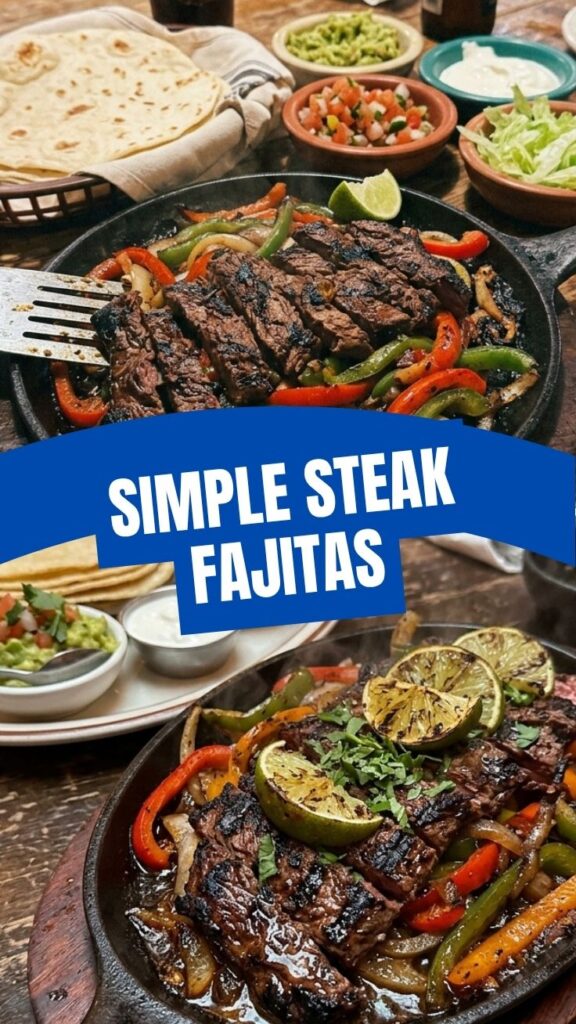
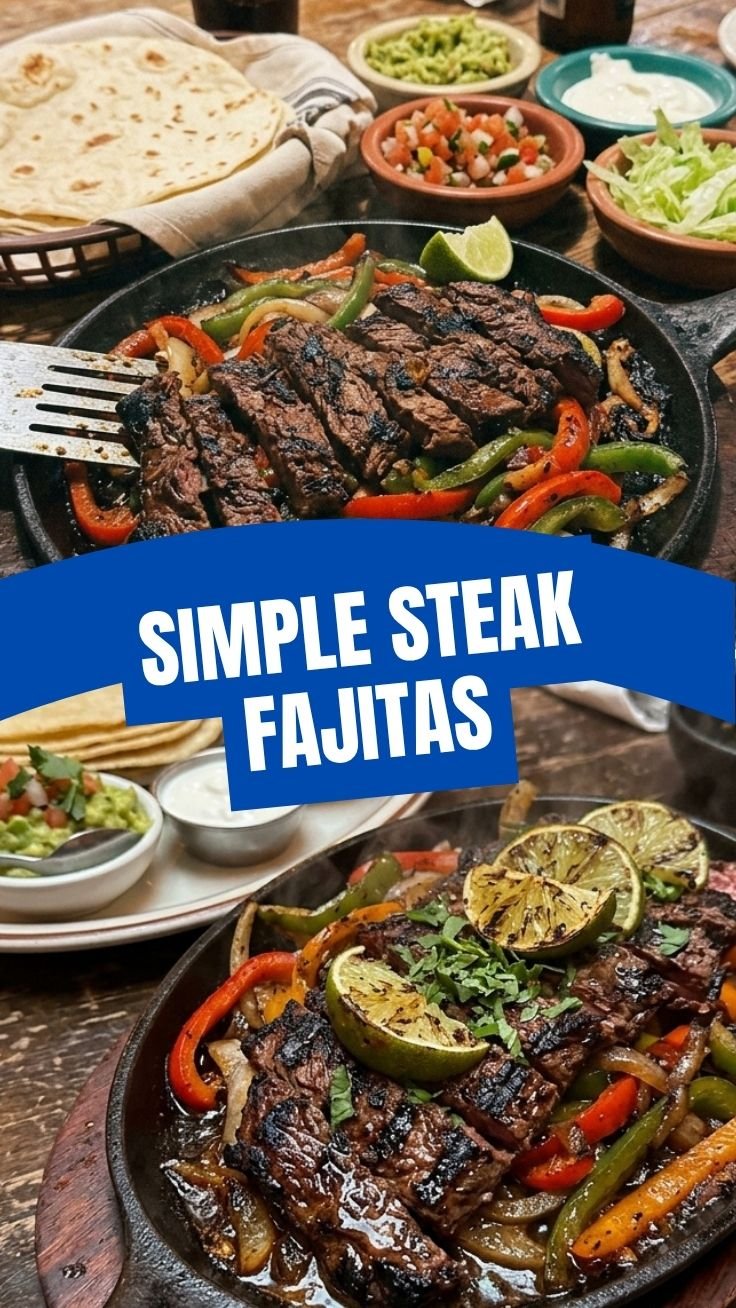
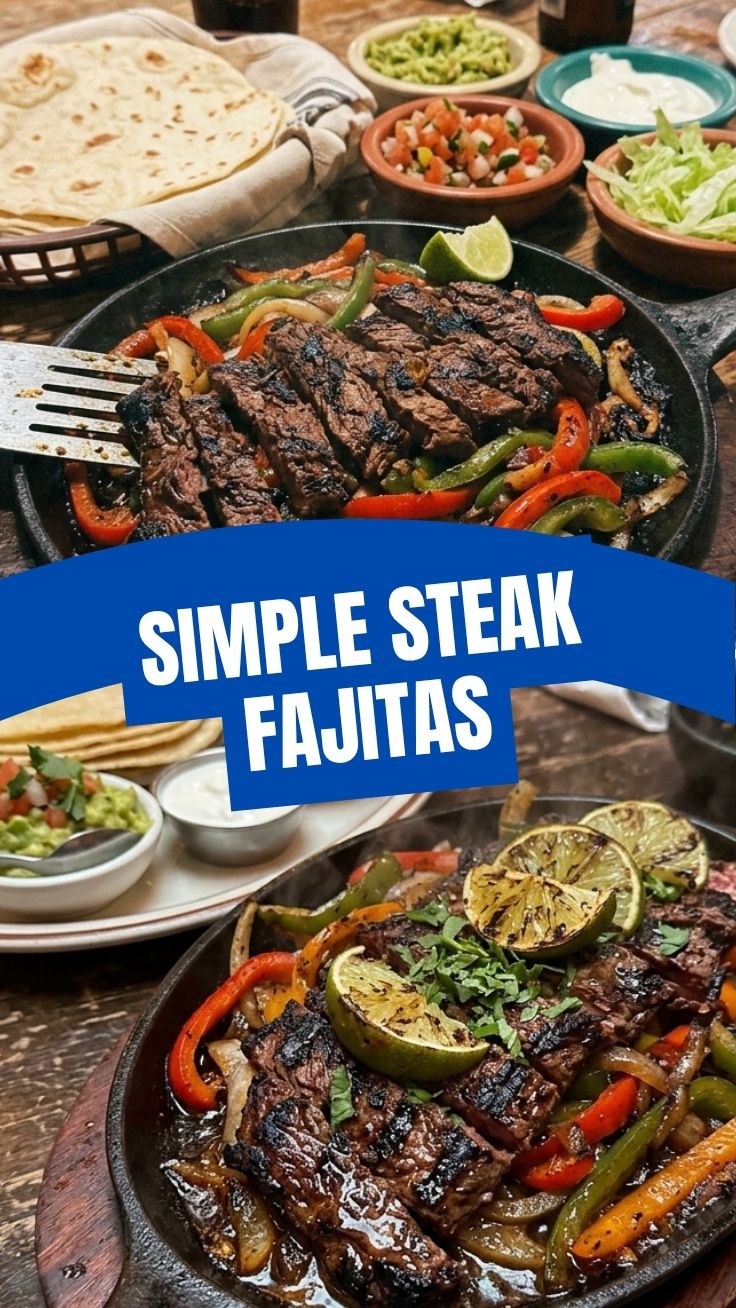
There’s nothing quite like the sizzle of Steak Fajitas hitting a hot cast-iron skillet. That smoky aroma, the tender strips of beef, and the charred peppers and onions—it’s pure comfort food magic. Preparing this classic dish at home isn’t just cost-effective; it gives you total control over the marinade, doneness, and spice level. Whether you’re a seasoned cook or a beginner, mastering this recipe unlocks a world of bold, satisfying flavors. It’s also one of the best Mexican steak recipes you can make in under 30 minutes—perfect for weeknights or fiesta gatherings.
Ingredients & Kitchen Tools
For the Steak & Marinade:
– 1 lb skirt steak or flank steak (tender, quick-cooking cuts)
– 3 tbsp olive oil (helps marinade cling and prevents sticking)
– 2 tbsp lime juice (freshly squeezed for brightness)
– 3 cloves garlic, minced (adds pungent depth)
– 1 tsp ground cumin (earthy warmth)
– 1 tsp smoked paprika (smoky color and flavor)
– 1 tsp chili powder (mild heat)
– ½ tsp salt and ¼ tsp black pepper
For the Vegetables:
– 1 large red bell pepper, sliced into strips
– 1 large green bell pepper, sliced
– 1 medium yellow onion, sliced into half-moons
– 1 tbsp avocado oil (high smoke point)
For Serving (optional):
– Warm flour or corn tortillas
– Sour cream, guacamole, pico de gallo
– Fresh cilantro and lime wedges
Kitchen Tools:
– Large cast-iron skillet or heavy-bottomed pan (retains high heat)
– Sharp knife and cutting board
– Mixing bowl for marinade
– Tongs for flipping steak
– Meat thermometer (optional but recommended)
Substitutions: Swap skirt steak with sirloin or ribeye; use gluten-free tamari instead of soy sauce if using; choose dairy-free sour cream for a lactose-free version.
Prep Time & Cooking Schedule
Total time: 25–30 minutes
Prep time: 15 minutes (including slicing vegetables and marinating)
Cook time: 8–10 minutes (for medium-rare)
Resting time: 5 minutes (crucial for juicy steak)
Marinating time: 15–30 minutes (no more than 2 hours, as acid can toughen meat)
Plan ahead: Marinate the steak while you slice peppers and onions. The high heat of the skillet means everything comes together quickly—have all components ready before you turn on the burner.
Step-by-Step Instructions
1. Marinate the steak: In a bowl, whisk together olive oil, lime juice, garlic, cumin, paprika, chili powder, salt, and pepper. Add the skirt steak, coat well, and let sit at room temperature for 15 minutes (or refrigerate up to 2 hours). This step not only tenderizes but also builds the foundation of these Steak Fajitas. For more inspiration, explore other Mexican steak recipes that highlight citrus-based marinades.
2. Preheat the skillet: Place a cast-iron skillet over high heat for 3–4 minutes until smoking hot. Add 1 tbsp avocado oil and swirl to coat.
3. Cook the steak: Pat the steak dry with paper towels (to ensure a good sear). Lay it in the skillet—listen for a loud sizzle. Cook 3 minutes per side for medium-rare (130°F internal temperature). Use tongs to flip only once.
4. Rest and slice: Transfer steak to a cutting board, tent with foil, and rest for 5 minutes. Slice thinly against the grain—this is the secret to tender fajitas.
5. Sauté vegetables: In the same skillet, add 1 tbsp oil. Toss in sliced peppers and onions. Cook 4–5 minutes, stirring occasionally, until charred but still crisp. Season with a pinch of salt.
6. Combine: Return sliced steak to the skillet with vegetables, toss for 30 seconds to reheat, then serve immediately on warm tortillas with your favorite toppings.
Pro tip: Keep the skillet on high heat the entire time—low heat makes vegetables soggy and steak tough.
Nutritional Benefits & Advantages
Steak fajitas are a nutrient powerhouse. Skirt steak provides high-quality protein (about 23g per serving), iron for energy, and zinc for immune support. Bell peppers deliver over 100% of the daily value of vitamin C, along with vitamin A and antioxidants like beta-carotene. Onions add prebiotic fiber that feeds gut-friendly bacteria. When served with corn tortillas and avocado, this dish becomes a balanced meal with healthy fats, complex carbs, and plenty of micronutrients. Compared to takeout, homemade fajitas have about 30% fewer calories and significantly less sodium—you control the salt.
Tips Variations & Cooking Advice
– Flavor twists: Swap the chili powder for chipotle powder for a smoky kick; add a splash of orange juice to the marinade for sweetness.
– Protein swaps: Use chicken thighs (adjust cooking time to 6–7 min per side) or shrimp (2–3 min per side). Both work beautifully in this fajita format.
– Dietary adaptations: Gluten-free? Use corn tortillas and ensure your spice blend is certified GF. Dairy-free? Skip the sour cream or use cashew-based alternatives.
– Alternative cooking methods: Grill the steak over high direct heat for extra char; use a sheet pan under the broiler for vegetables if stove space is limited.
– Portion changes: Double the vegetables for a lower-carb version (skip the tortillas and serve over cilantro-lime cauliflower rice).
Common Mistakes to Avoid
– Overcooking the steak: Fajita meat turns chewy if cooked past medium. Use a thermometer and pull it at 125°F (it will rise to 130°F during resting).
– Skipping the rest: Cutting into steak immediately releases juices onto the cutting board. Wait 5 minutes to lock in moisture.
– Crowding the pan: Too many vegetables at once lowers the temperature, causing steaming instead of charring. Cook in batches if needed.
– Not slicing against the grain: This is the number-one reason for tough fajitas. Look for the muscle fiber lines and cut perpendicular to them.
– Using cold steak: Let the meat come to room temperature before cooking, or it will cook unevenly and burn the outside before the center is done.
Storage & Meal Prep Tips
– Refrigeration: Store leftover steak and vegetables separately in airtight containers for up to 3 days. The textures hold up better if you keep components apart.
– Freezing: Cooked steak fajitas freeze well for up to 2 months. Portion into zip-top bags, remove air, and label. Thaw overnight in the fridge.
– Reheating: For best results, reheat in a hot skillet over medium-high heat for 1–2 minutes to revive the sizzle. Avoid the microwave—it makes the meat rubbery and vegetables mushy.
– Make-ahead: Slice peppers and onions up to 24 hours in advance; marinate the steak the night before for deeper flavor.
Conclusion
Crafting homemade Steak Fajitas is an immensely rewarding skill—fast, flavorful, and customizable. This recipe captures the essence of authentic Mexican steak recipes while staying approachable for any home cook. The smoky char, zesty marinade, and vibrant vegetables come together in less than half an hour. I encourage you to fire up that skillet, invite friends over, and enjoy a fiesta on a plate. Share your results in the comments—I’d love to hear how your fajitas turned out. And if you’re hungry for more, check out our other bold Latin-inspired dishes!
FAQs
1. Can I use a different cut of steak for fajitas?
Yes. Skirt and flank steak are traditional, but sirloin or flat iron steak work well. Avoid tougher cuts like chuck or round unless you tenderize them first.
2. Why are my fajita vegetables mushy?
You’re likely cooking them over medium heat instead of high. Vegetables need intense heat to char and stay crisp. Also, don’t overcrowd the skillet—cook in batches if necessary.
3. Can I make steak fajitas dairy-free?
Absolutely. The recipe itself is dairy-free (no cheese or cream in the base). Just skip sour cream or use a plant-based version. Confirm your tortillas are made without milk.
4. How do I prevent the steak from sticking to the pan?
Make sure the skillet is smoking hot before adding oil, and pat the steak dry. A well-seasoned cast-iron pan works best. If using stainless steel, add oil after the pan is hot.
5. What’s the best way to reheat fajitas without drying them out?
Use a hot skillet with a splash of water or broth, cover for 30 seconds to steam lightly, then uncover to re-crisp. This restores moisture without sogginess.
Proven Way to Grow 3 Steak Fajitas Steak Fajitas
Ingredients
Equipment
Method
- Slice the skirt steak against the grain into thin strips and set aside.
- Slice the bell peppers and onion into thin strips, preparing them for cooking.
- In a small bowl, combine all fajita seasoning ingredients to create your spice blend.
- Heat 1 tablespoon of olive oil in a large skillet or cast-iron pan over medium-high heat. Add the sliced steak and cook for 3-5 minutes until browned, then remove from the pan.
- Add the remaining 1 tablespoon of olive oil to the same pan. Sauté the bell peppers and onions for 5-7 minutes until they are tender-crisp.
- Return the steak to the pan with the vegetables, sprinkle the fajita seasoning over everything, and toss to combine. Cook for another 2-3 minutes, ensuring all ingredients are well mixed and heated through.
- Serve the steak fajitas immediately with warm tortillas and your favorite toppings, such as salsa, guacamole, and sour cream.